KARACHI: The return of limited-overs international cricket to Pakistan after a 10-year absence following a terrorist attack targeting a foreign team has coincided with a renewed plea from the country’s cricket chief to recommence full, in-bound tours.
Pakistan had a 67-run victory over Sri Lanka on Monday to kick start the important cricket homecoming, which was delayed an extra couple of days because of the weather. It’s the first time since Sri Lanka’s team bus was attacked on the way to a stadium at Lahore in 2009 that a foreign team is conducting a two-week tour of Pakistan.
Major teams have avoided the country since the ambush that killed eight people and injured several star players. This series, initially scheduled to include three one-day internationals and three Twenty20 internationals — went ahead after the Pakistan government assured the Sri Lanka delegation of high-level security normally reserved for heads of state.
It will be the longest period in a decade for any of the top-ranking national cricket teams to have visited Pakistan, which has been “hosting” games abroad mostly in the United Arab Emirates.
Pakistan Cricket Board chairman Ehsan Mani says he wants more international teams to return to Pakistan instead of playing at neutral venues.
“It’s so important that the game wins over any threats and terrorism,” Mani told a news conference Monday. “The main thing is that the security and safety of the players cannot be compromised, so it was important that the Sri Lankan (cricket) board was comfortable.”
Harin Fernando, Sri Lanka’s minister for telecommunications, foreign employment and sports, says the bilateral series is important to show regional support.
“Cricket has become a universal game and it’s not just about the competitiveness, but it is also about showing solidarity among the neighboring nations,” Fernando said. “Life has to go on. We have to move on, sports should not stop. I believe players of other countries will also come.”
The team buses are heavily surrounded by armed security personnel between the hotels and the playing venues, and the main roads along the route are being blocked from normal traffic.
Security staff also keep a close eye on the spectators coming into the stadium.
“What amazes me is the amount of security that have been given and how they’ve looked after it,” Fernando said. “To see that you will recognize every gate, every aspect, every person who gets into the ground and gets out of the ground is being monitored.”
Mani said officials from Cricket Australia also visited Pakistan recently and met with government and PCB officials. And the PCB chairman said officials from England and Ireland are scheduled to visit Pakistan soon to assess the security situation.
“The message is getting across and that is why this (Sri Lanka) tour was so important for us,” Mani said. “We can all say things are fine, come and have a look, but when cricket is actually taking place in Pakistan there’s no better endorsement than that.”
Several top Sri Lanka players pulled out of the tour, but Fernando said those players who came to Pakistan could boost the confidence of those who missed out.
Pakistan is due to host Sri Lanka for two test matches as part of World Test Championship in December and Fernando was optimistic his country would host the pair of five-day games.
“I thought this tour had to happen if we have to play a test series here, so I think I’m quite positive,” he said.
Mani said Pakistan will have to maintain high security for some time to reassure visiting teams.
“It’s for us as Pakistan to make sure that the standards (of security) that we have given to the Sri Lankan cricket board remain consistent,” he said. “I’m confident that the message going out is a strong and powerful one.”
Mani said he didn’t want to put Sri Lanka Cricket under any pressure for December’s test series, but he hoped that “players who are here will act as ambassadors for Pakistan by going back and giving their version of security.”
Pakistan’s ultimate goal, he said, is to make visiting teams comfortable instead of the focus being on the security around them. And Mani is realistic: “It might take a couple of years.”


![]()

Pakistan cricket chief wants teams to return to his country
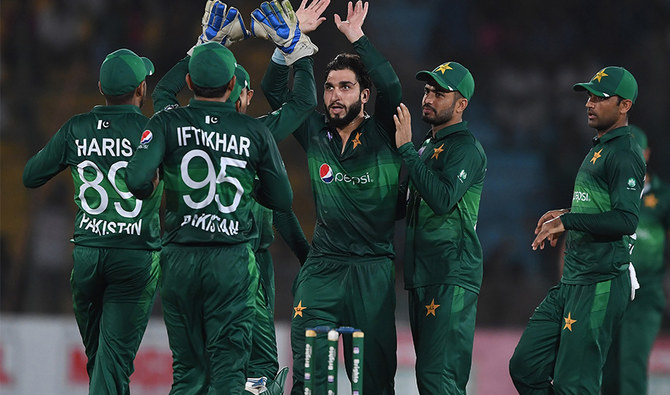
Pakistan cricket chief wants teams to return to his country
- Mani said officials from Cricket Australia also visited Pakistan recently
- Pakistan is due to host Sri Lanka for two test matches as part of World Test Championship in December
Latest updates


© 2026 SAUDI RESEARCH & PUBLISHING COMPANY, All Rights Reserved And subject to Terms of Use Agreement.