

For ‘love and peace,’ Pakistani Sufi music band performs in Cairo

1 / 7
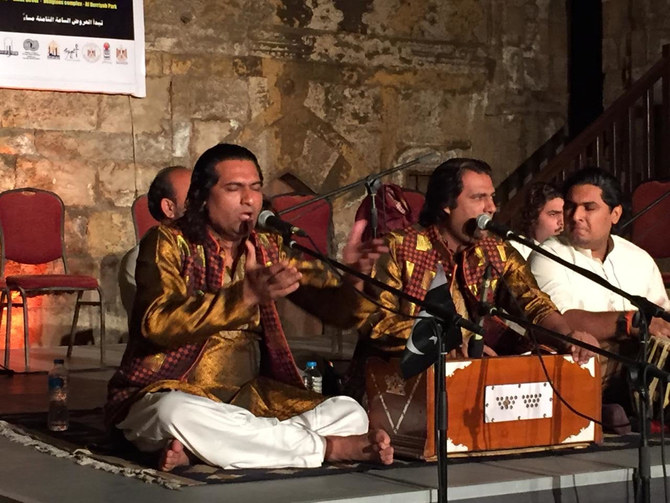
A Pakistani Sufi devotional music band, led by two brothers from Lahore, performed Qawwali for an audience in Cairo at the Samaa International Festival for Religious Choir and Music. Sept. 24, 2019 (AN Photo)
2 / 7
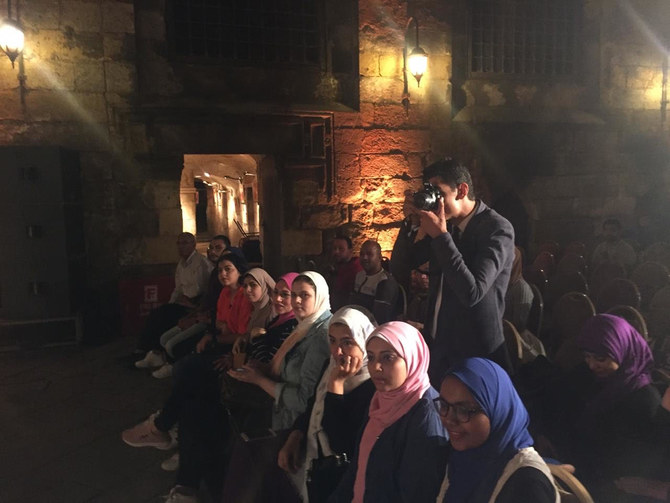
A Pakistani Sufi devotional music band, led by two brothers from Lahore, performed Qawwali for an audience in Cairo at the Samaa International Festival for Religious Choir and Music. Sept. 24, 2019 (AN Photo)
3 / 7
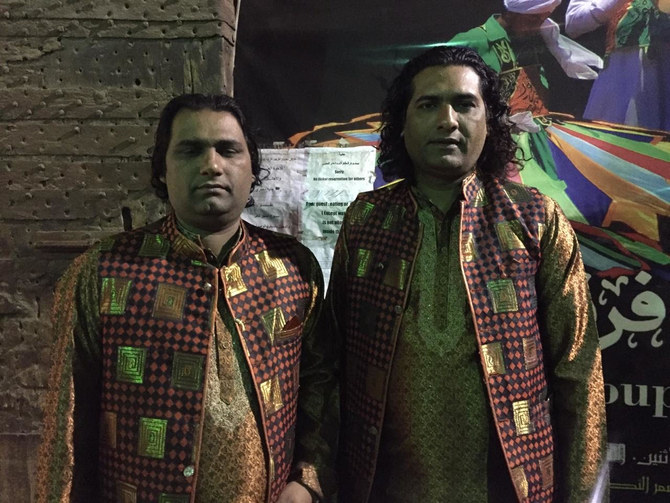
A Pakistani Sufi devotional music band, led by two brothers from Lahore, performed Qawwali for an audience in Cairo at the Samaa International Festival for Religious Choir and Music. Sept. 24, 2019 (AN Photo)
4 / 7
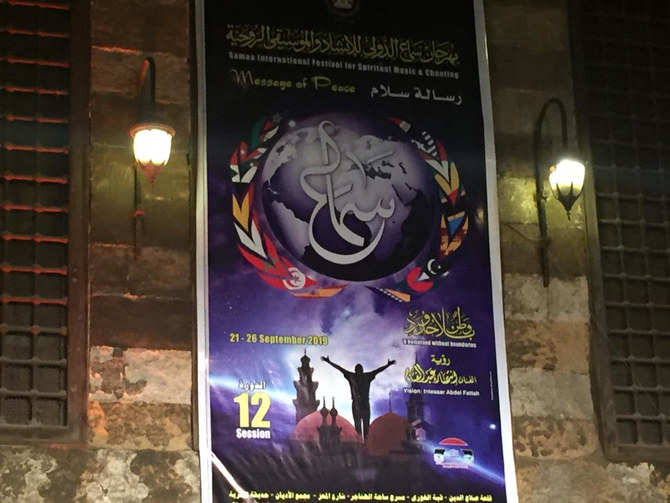
A Pakistani Sufi devotional music band, led by two brothers from Lahore, performed Qawwali for an audience in Cairo at the Samaa International Festival for Religious Choir and Music. Sept. 24, 2019 (AN Photo)
5 / 7
A Pakistani Sufi devotional music band, led by two brothers from Lahore, performed Qawwali for an audience in Cairo at the Samaa International Festival for Religious Choir and Music. Sept. 24, 2019 (AN Photo)
6 / 7
A Pakistani Sufi devotional music band, led by two brothers from Lahore, performed Qawwali for an audience in Cairo at the Samaa International Festival for Religious Choir and Music. Sept. 24, 2019 (AN Photo)
7 / 7
A Pakistani Sufi devotional music band, led by two brothers from Lahore, performed Qawwali for an audience in Cairo at the Samaa International Festival for Religious Choir and Music. Sept. 24, 2019 (AN Photo)
Updated 07 October 2019
Follow

For ‘love and peace,’ Pakistani Sufi music band performs in Cairo

  • The Pakistani qawaals were part of the Samaa International Festival for Religious Choir and Music in Cairo
  • The Lahore-based band led by two brothers has performed Sufi devotional music and poetry around the world

Cairo: Badar and Bahadur Ali Khan, two brothers and singers from Pakistan’s eastern city of Lahore, said they had brought “a message of love and peace” during their performance of Sufi Islamic devotional music and poetry, called Qawaali, on Tuesday evening at the Samaa International Festival for Religious Choir and Music in Cairo.
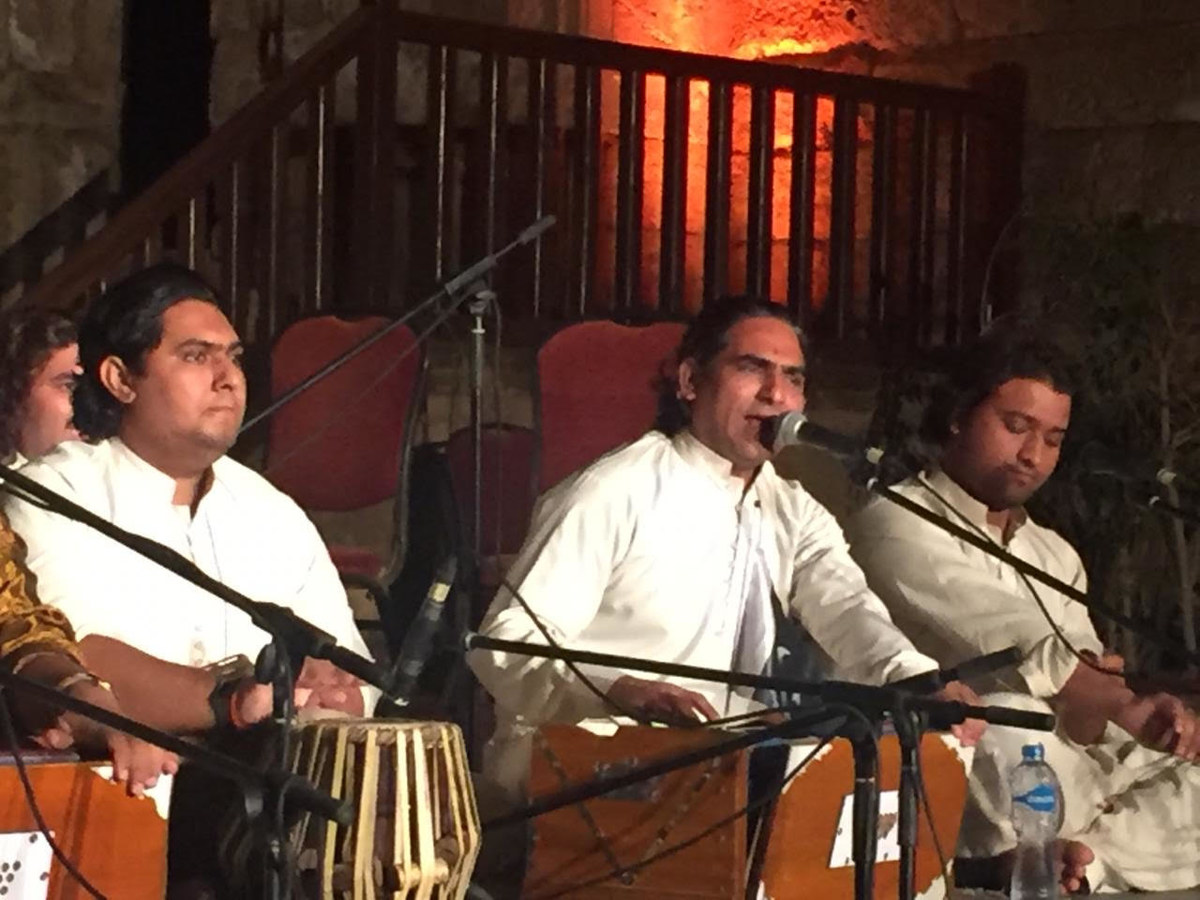


A Pakistani Sufi devotional music band, led by two brothers from Lahore, performed Qawwali for an audience in Cairo at the Samaa International Festival for Religious Choir and Music. Sept. 24, 2019 (AN Photo)

More than 20 countries from the Arab world, Asia, Africa and Europe are taking part in the festival, bringing together a variety of cultures and religions. The Qawwals from Pakistan are seasoned performers, and have sung Sufi poetry alongside their four-member band all over the world, including in Japan, Oman and Iran.
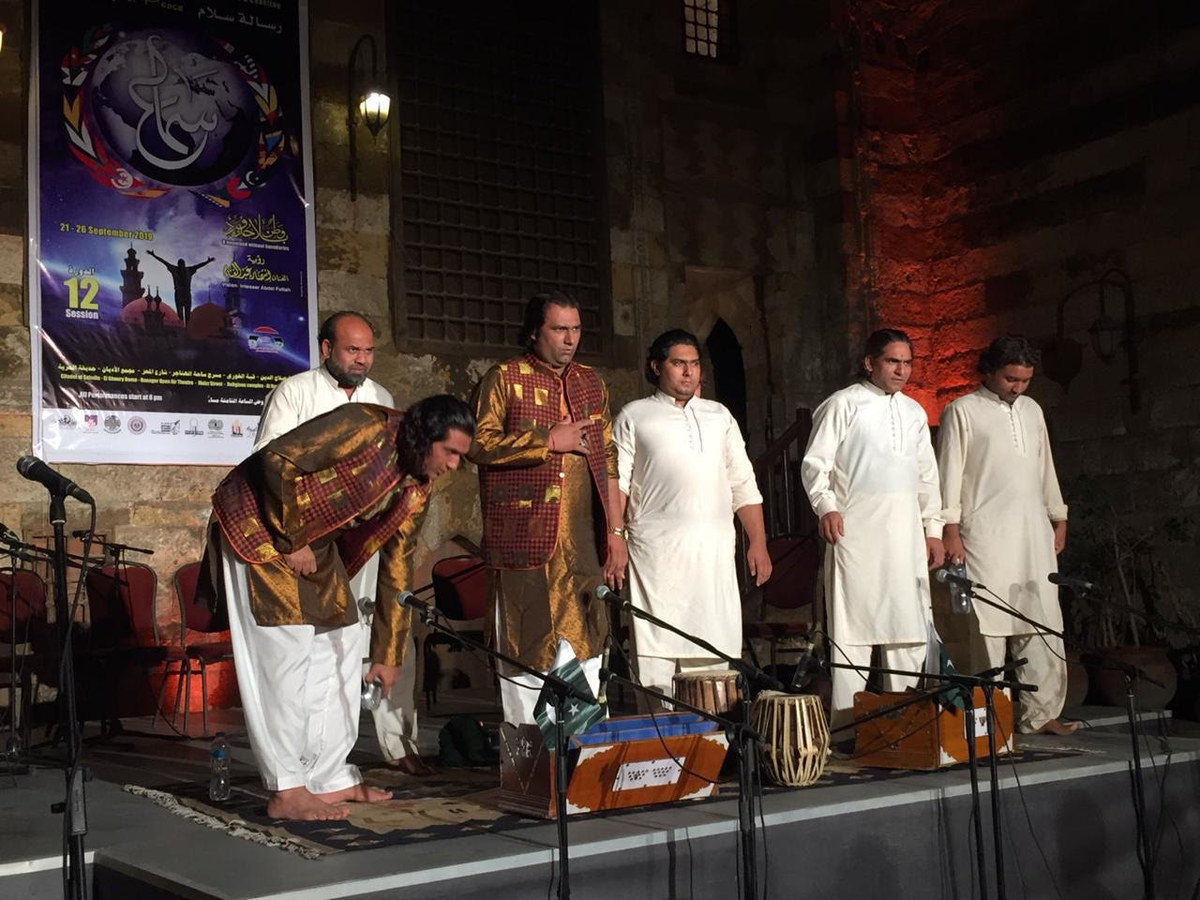


A Pakistani Sufi devotional music band, led by two brothers from Lahore, performed Qawwali for an audience in Cairo at the Samaa International Festival for Religious Choir and Music. Sept. 24, 2019 (AN Photo)

Dressed in their traditional silk suits and waistcoats, the singers sat crossed-legged on the floor of the stage during the performance, with their traditional harmoniums and drums, called tablas, before them. This is their third visit to Egypt.
“A lot of people in Egypt enjoy Sufi music,” a statement from the band said, praising the heritage of Egypt and the kindness of its people.
“Thank you for the love,” the statement said.
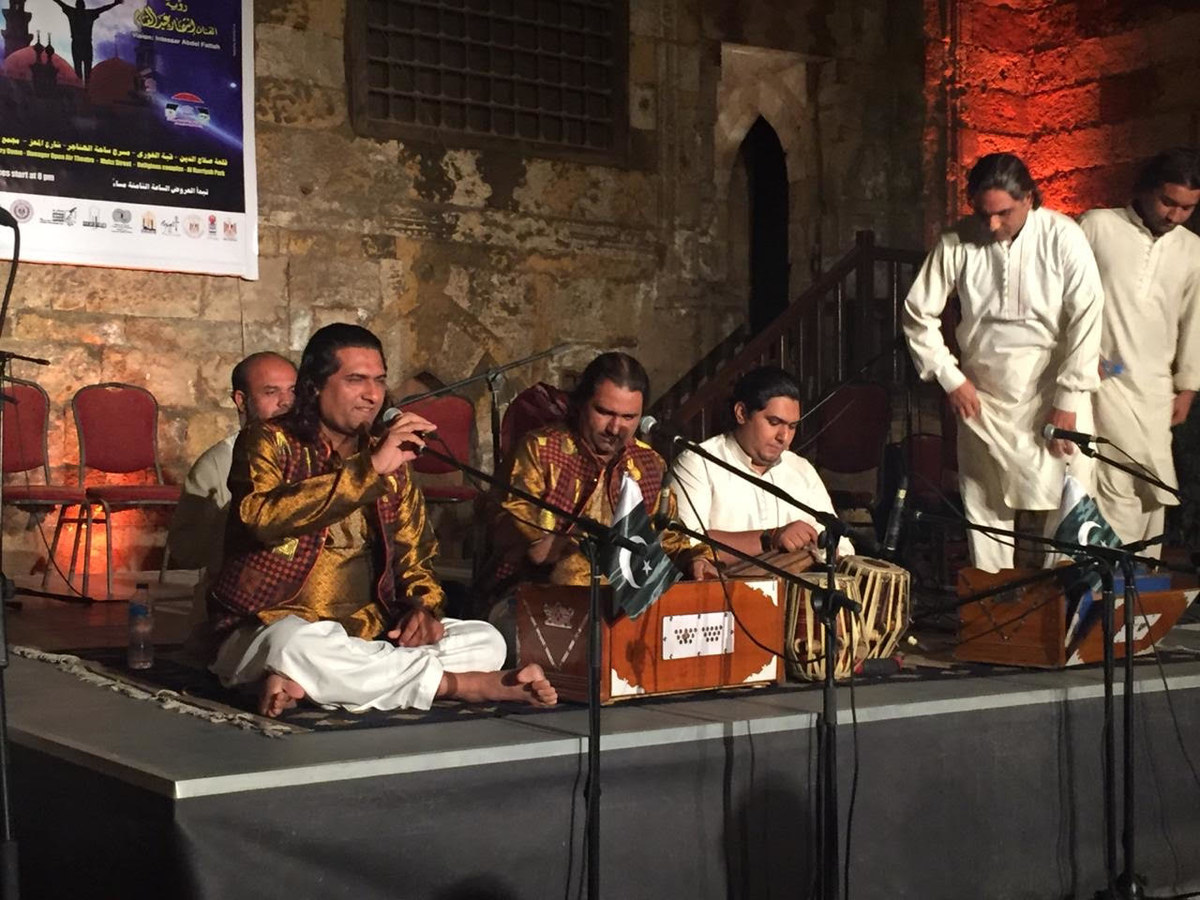


A Pakistani Sufi devotional music band, led by two brothers from Lahore, performed Qawwali for an audience in Cairo at the Samaa International Festival for Religious Choir and Music. Sept. 24, 2019 (AN Photo)

The festival, the 12th edition of its kind, runs until Sept. 26. It is being held under the auspices of the Ministry of Culture in collaboration with the ministries of foreign affairs, tourism and antiquities and Cairo governorate and in coordination with the Hewar Institution for Peoples Arts and Cultures. 
On Wednesday, a celebration marking a meeting point of religions will be held at the Religions Complex in Old Cairo under the theme “Here, We Pray Together.” 
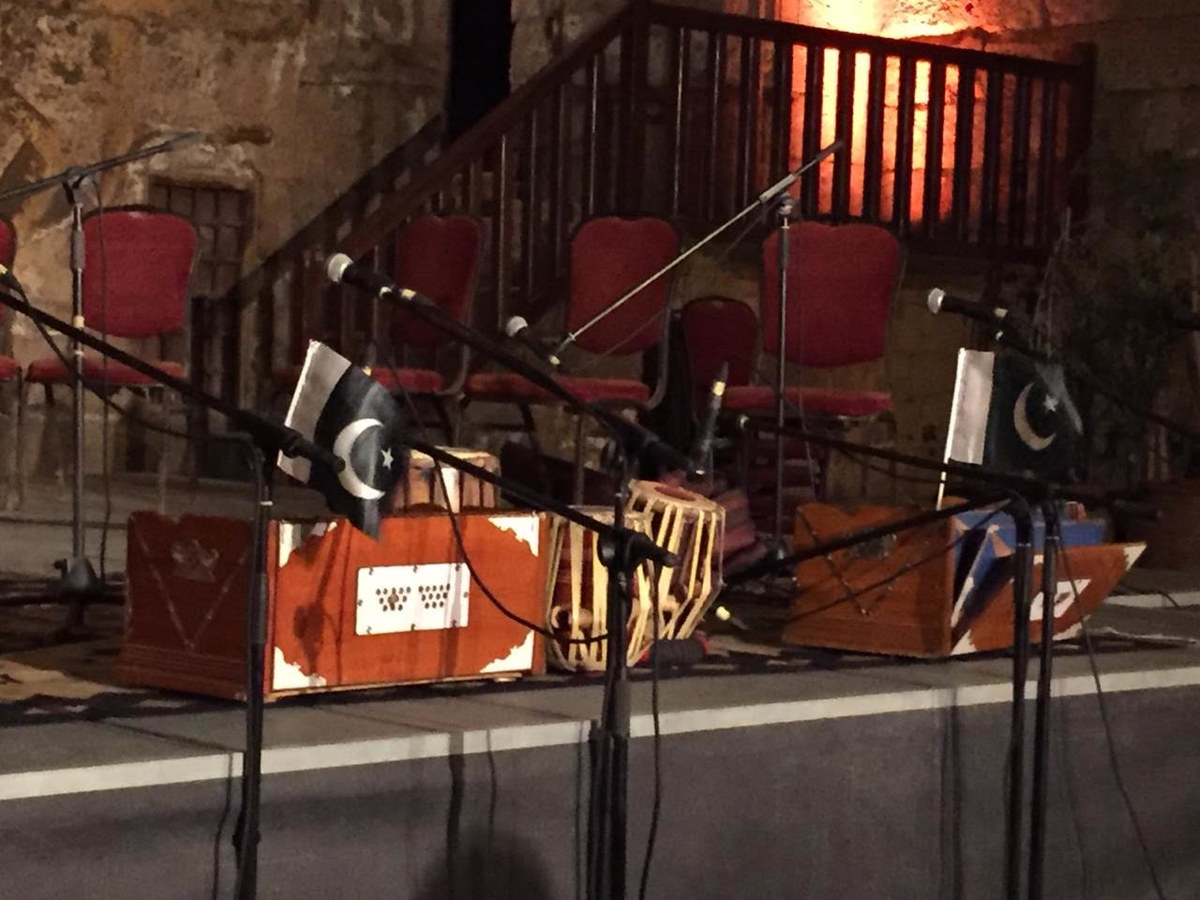


A Pakistani Sufi devotional music band, led by two brothers from Lahore, performed Qawwali for an audience in Cairo at the Samaa International Festival for Religious Choir and Music. Sept. 24, 2019 (AN Photo)


Pakistan party calls Sindh resolution against new provinces ‘unconstitutional’

Updated 5 sec ago
Follow

Pakistan party calls Sindh resolution against new provinces ‘unconstitutional’

  • The development follows calls to separate Karachi from Sindh amid governance concerns intensified by a deadly mall fire last month
  • Muttahida Qaumi Movement-Pakistan calls for a referendum in urban areas of Sindh for the establishment of a new administrative unit

ISLAMABAD: The Muttahida Qaumi Movement-Pakistan (MQM-P) political party on Sunday criticized the Sindh provincial government for adopting a resolution in the provincial assembly against the creation of new provinces, describing it as “illegal, unconstitutional.”

The resolution was adopted on Saturday after fresh demands by the MQM-P and other voices to grant Karachi a provincial or federal status following governance challenges highlighted by a deadly mall fire earlier this year that killed 80 people.

Karachi, Pakistan’s largest city that is home to more than 20 million, is the country’s main commercial hub and contributes a significant share to the national economy.

Speaking at a press conference, MQM-P’s Khalid Maqbool Siddiqui said the Constitution of Pakistan provided procedure for establishing new provinces, but a province had “carried itself as if it were a separate country,” referring to Saturday’s resolution.

“Anything in contrast with the constitution cannot be adopted. This is illegal, unconstitutional, undemocratic,” he said, calling for a referendum in urban areas of Sindh for the establishment of a new administrative unit in the region.

Sindh Chief Minister Syed Murad Ali Shah had tabled the resolution in the assembly on Saturday, condemning what he described as “divisive statements” about breaking up Sindh or detaching Karachi.

“The province that played a foundational role in the creation of Pakistan cannot allow the fragmentation of its own historic homeland,” Shah told lawmakers, citing Article 239 of Pakistan’s 1973 Constitution, which requires the consent of not less than two-thirds of a provincial assembly to alter provincial boundaries.

“If any such move is attempted, it is this Assembly — by a two-thirds majority — that will decide,” he said.

The resolution reaffirmed that Karachi would “forever remain” an integral part of Sindh and directed the provincial government to forward the motion to the president, prime minister and parliamentary leadership for record.

Calls to alter Karachi’s status have periodically surfaced amid longstanding complaints over governance, infrastructure and administrative control in the megacity, though no formal proposal to redraw provincial boundaries has been introduced at the federal level.

Taha Ahmed Khan, a senior MQM-P member, acknowledged that his party had “presented its demand openly on television channels with clear and logical arguments” to separate Karachi from Sindh.

“It is a purely constitutional debate,” he told Arab News on Saturday. “We are aware that the Pakistan Peoples Party, which rules the province, holds a two-thirds majority and that a new province cannot be created at this stage. But that does not mean new provinces can never be formed.”