COLOMBO, Sri Lanka: Islamic clerics in Sri Lanka asked Muslim women on Tuesday to continue to avoid wearing face veils until the government clarifies whether they are once again allowed now that emergency rule has ended four months after a string of suicide bomb attacks.
Clerics are wary of the Muslim community being targeted again for violence, as it was in the aftermath of April’s Easter Sunday attacks that killed more than 260 people, said Fazil Farook, spokesman for All Ceylon Jammiyyathul Ulama, Sri Lanka’s largest group of Islamic clerics. Two local radical Muslim groups have been blamed for the attacks.
Farook urged Muslim women not to rush into wearing their veils again.
“They have managed in the past and we are asking them to do it the same way,” Farook said adding some women have refused to come in public without covering their faces because they had accustomed to it.
After the Easter attacks on three churches and three tourist hotels, Sri Lanka’s government brought the country under emergency rule, giving sweeping search, arrest and detention powers to the military and police. President Maithripala Sirisena also used the emergency law to issue a decree banning covering faces in all manners, including face veils.
Emergency rule had been extended each month until last week, when Sirisena allowed the law to lapse. He issued a separate order allowing the military to maintain peace.
In the wake of the Easter attacks, gangs mostly from majority Sinhalese community attacked mosques and Muslim-owned shops, killing at least one person. Muslims also were subjected to hate speech in public and on social media.
Farook said clerics were asking the Muslim community to remain calm.
“(Think of) what happened in the past and don’t allow racial elements to take things to another level,” he said.


![]()

Sri Lankan Islamic clerics seek clarity on face veil ban
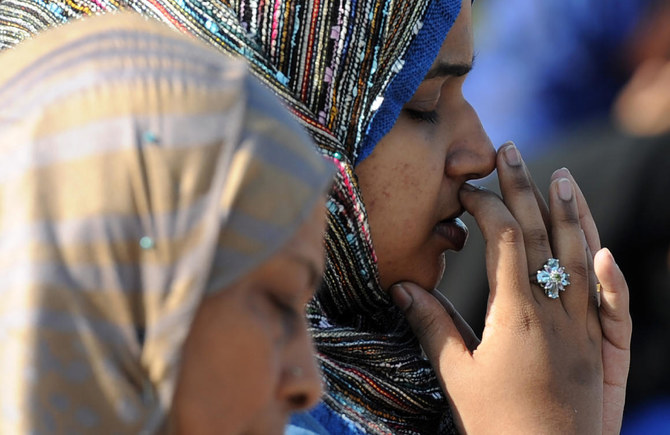
Sri Lankan Islamic clerics seek clarity on face veil ban
- Clerics are wary of the Muslim community being targeted again for violence
- Emergency rule had been extended each month until last week, when Sirisena allowed the law to lapse


Latest updates


© 2026 SAUDI RESEARCH & PUBLISHING COMPANY, All Rights Reserved And subject to Terms of Use Agreement.