GENEVA: A group of UN human rights experts on Thursday urged India to end the communications blackout imposed on Kashmir, warning it amounted to “collective punishment” and risked exacerbating regional tensions.
They voiced alarm over the measures imposed by India since it revoked autonomous rule in the part of Kashmir it controls on August 5, including a near-total communications blackout.
“The shutdown of the Internet and telecommunication networks, without justification from the government, are inconsistent with the fundamental norms of necessity and proportionality,” the five experts, who are independent and do not speak for the world body, said in a statement.
“The blackout is a form of collective punishment of the people of Jammu and Kashmir, without even a pretext of a precipitating offense,” they said, describing the restrictions imposed as “intrinsically disproportionate.”
The experts also voiced concern about the curfew imposed across the region, with “massive numbers of troops (brought in) to enforce restrictions on the freedom of movement and of peaceful assembly, particularly in the Kashmir Valley.”
Kashmir has waged a three-decade-long armed rebellion against Indian rule with tens of thousands of lives, mostly civilians, lost in the conflict.
Ahead of its August 5 announcement, India rushed tens of thousands of extra troops to the restive region to join 500,000 already in the valley and imposed a strict clampdown fearing further unrest.
According to security and government forces, at least 4,000 people have been detained in Indian-administered Kashmir.
The UN experts said they had received information suggesting an increase in arrests of political figures, journalists, human rights activists, protesters, and others.
And they said they were deeply concerned by reports that security forces have been conducting night raids on private homes, rounding up young people.
“Such detentions could constitute serious human rights violations,” the experts said, calling on the authorities to thoroughly investigate all such allegations and to ensure that any confirmed perpetrators are held responsible.
They also expressed grave concern over allegations that the whereabouts of some of those detained was unknown, warning of “the general heightened risk of enforced disappearances, which may proliferate against the backdrop of mass arrests and restricted access to the Internet and other communications networks.”
They also noted the “excessive use of force against protesters, including the use of live ammunition.”
“India has the responsibility to use the minimum force necessary when policing protests,” the experts said, insisting that deadly force could only be used as a “last resort and to protect life.”


![]()

UN experts urge India to end ‘collective punishment’ in Kashmir
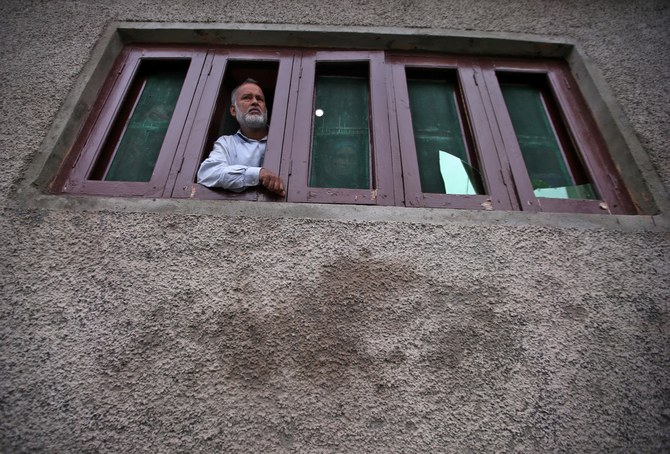
UN experts urge India to end ‘collective punishment’ in Kashmir
- Say they are deeply concerned by reports that security forces have been conducting night raids on private homes, rounding up young people
- Kashmir has waged a three-decade long armed rebellion against Indian rule with tens of thousands of lives lost in the conflict
Latest updates


© 2026 SAUDI RESEARCH & PUBLISHING COMPANY, All Rights Reserved And subject to Terms of Use Agreement.