
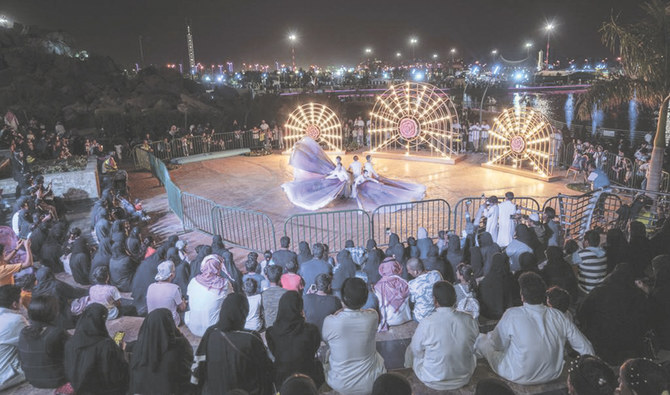

TAIF: Taif Season is one of 11 festivals aimed at transforming the Kingdom into an important global tourist destination. Dozens of events have been taking place this month in the southwestern city, which is famous for its heritage and beautiful landscapes.
But visitors have less than two weeks to enjoy this particular cultural celebration, which includes a camel festival, a vibrant souq, a rose village, a circus show, and a poetry competition with prizes of up to SR1 million ($266,667).
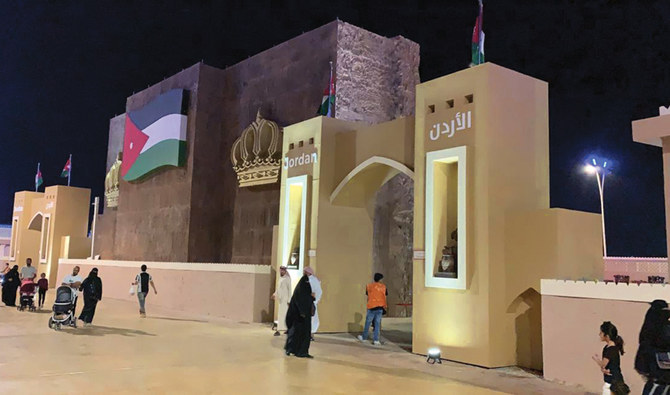
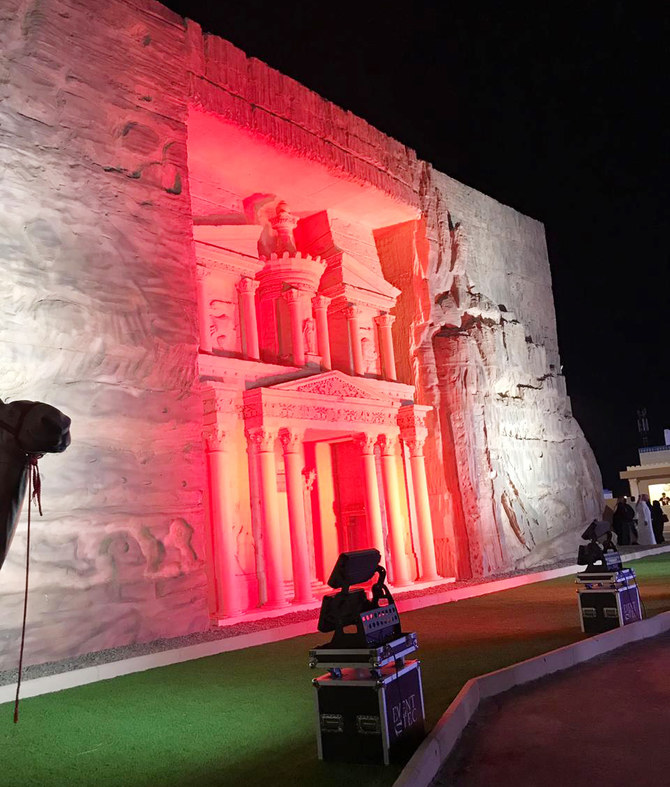
One of the highlights of Taif Season is Souq Okaz, where people can experience the culture of 11 different Arab nations by visiting pavilions showcasing the food, art and goods from the UAE, Kuwait, Bahrain, Oman, Iraq, Egypt, Jordan, Lebanon, Morocco and Tunisia. There is also, of course, a pavilion for the host nation.
More than 2,000 actors, dressed in traditional clothes, greet people in Arabic and create stories based on their exchanges with visitors.
Performers also recreate scenes from the past that help visitors to know more about Taif’s life in a different, pre-Islamic era.
The souq also plays host to some of the region’s biggest musical stars such as the UAE’s Ahlam and Hussein El Jasmi, and Syria’s Assala.
There are also performances from Saudi Arabia’s Abadi Al-Johar and Dalia Mubarak. These concerts will take place between Aug. 23 and Aug. 30.
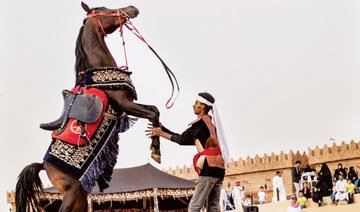
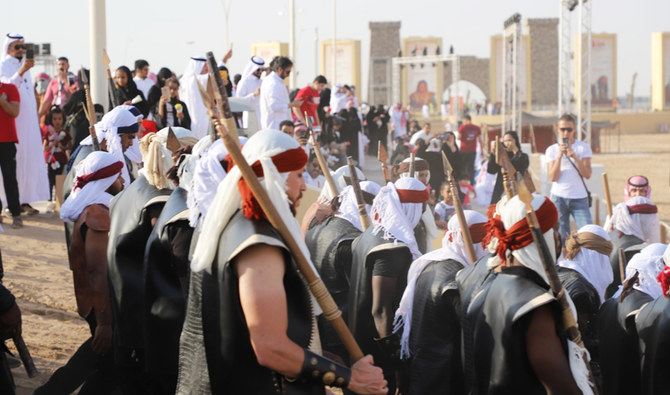
Okaz Avenue conjures up the past through artistic events featuring the work of famous Arab poets and intellectuals such as Annabigha Al-Dhubyani, Imru Al-Qais, Amr bin Kalthoum, Tarafa bin Al-Abd and Antara bin Shaddad. There are duels with swords and spears, horse and camel convoys, and re-enactments of ancient auctions.
Historians believe that Souq Okaz may date back more than 1,500 years. It was popular with a diverse audience, with Arabs flocking there for all kinds of reasons. It attracted tribes and poets. It was a place for everything from deal-making to war reconciliation sessions. Valuable items from overseas were exhibited there, transported by convoys from Damascus and Yemen. This hubbub has disappeared over the years, but the souq’s former vibrancy is being brought back to life, with its latest reincarnation in the form of Taif Season.
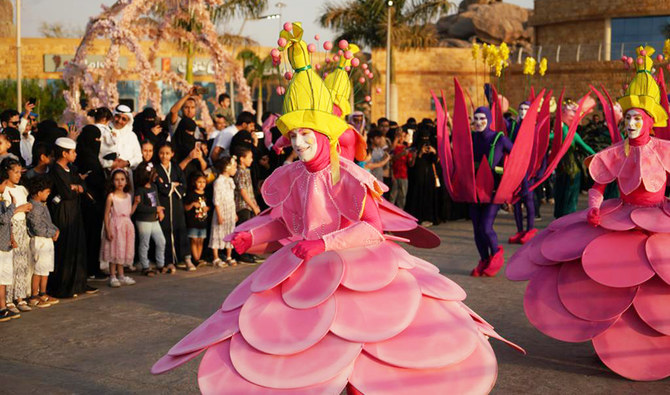
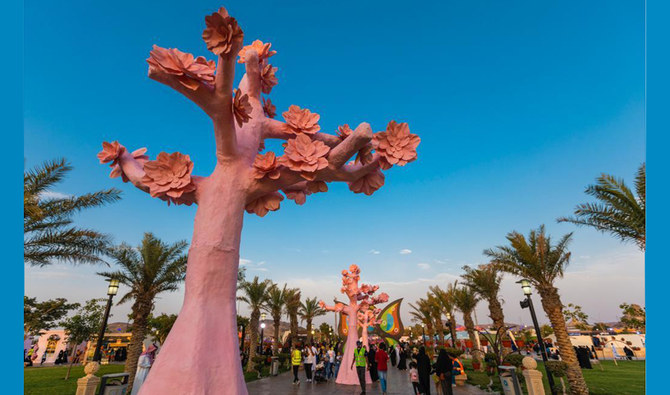
Elsewhere in the city, Ruddaf Park highlights the history of the rose perfume industry that Taif has long been known for.
Taif sits in the Sarawat Mountains and is one of the few places in the Kingdom where people can enjoy pleasant temperatures throughout the year. It has the perfect conditions for growing the Taif Rose. This perfume has a special role in the ceremonial washing of the Holy Kaaba covering, known as the kiswat.
Taif is also known for its agricultural products and visitors to the city’s fruit market can enjoy the taste of locally grown grapes, pomegranates and figs.
Thrill-seekers can take part in more vigorous events such as free jumping, parachuting and mountain jogging, while also getting unique views of the city’s landmarks.
Families can head to the camel festival, where there are acrobats, clowns and educational activities.
HIGHLIGHTS
• The festival includes a camel festival, a vibrant souq, a rose village, a circus show, and a poetry competition with prizes of up to $266,667.
• The souq attracted tribes and poets. It was a place for everything from deal-making to war reconciliation sessions.
There are events in the city’s main malls as well as tours to Taif’s historical landmarks and mosques.
Most attractions run between 5 p.m. and 11 p.m, although some finish later.
Taif Season aims to highlight Saudi Arabia as an international tourist destination, Taif’s historical status, its cultural and artistic diversity, and its moderate climate.
It also seeks to contribute to achieving goals within the Kingdom’s Vision 2030 reform plan, which aims to improve the quality of life, raise living standards, and create career and investment opportunities in Saudi Arabia.
Ahmed Al-Khateeb, president of the Saudi Commission for Tourism and National Heritage, said last month that the season depended on positive engagement with Taif’s residents, and was providing seasonal job opportunities for young men and women, as well as investment opportunities for regional entrepreneurs and small and medium enterprises.
“We’ll celebrate a successful season,” the Saudi Press Agency reported him as saying, as he urged the private sector to contribute to enriching future ones.
Taif Season has its own social media account — https://twitter.com/taifseason?lang=en and information can also be found on the Saudi Seasons website here https://www.saudiseasons.sa/en. Taif Season runs until Aug. 31.