

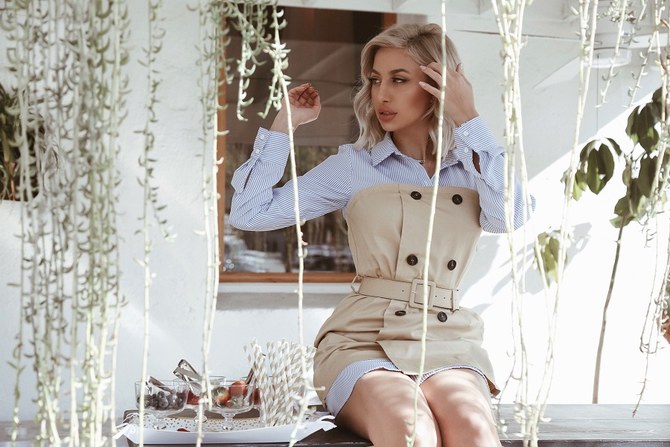
Meet Roz, the Saudi influencer causing a stir stateside

Currently based in Los Angeles, the Saudi model has more than 10 million followers on Instagram. (Supplied)
Updated 24 July 2019
Follow

Meet Roz, the Saudi influencer causing a stir stateside

DUBAI: With more than 10 million followers on Instagram and a number of high-profile advertising campaigns under her belt, the Jubail-born Riyadh-raised model who goes by the name Roz is making quite a name for herself in the US.

Currently based in Los Angeles, the Saudi model just made headlines around the world when she modelled for a Victoria’s Secret’s Pink campaign, showing off the label’s sportswear in a sun-drenched video.

The model, with platinum blonde locks and Pinterest-worthy style, has also taken part in campaigns for US brand Guess and spoke to Arab News about her career and why moving back to the Gulf isn’t off the cards.
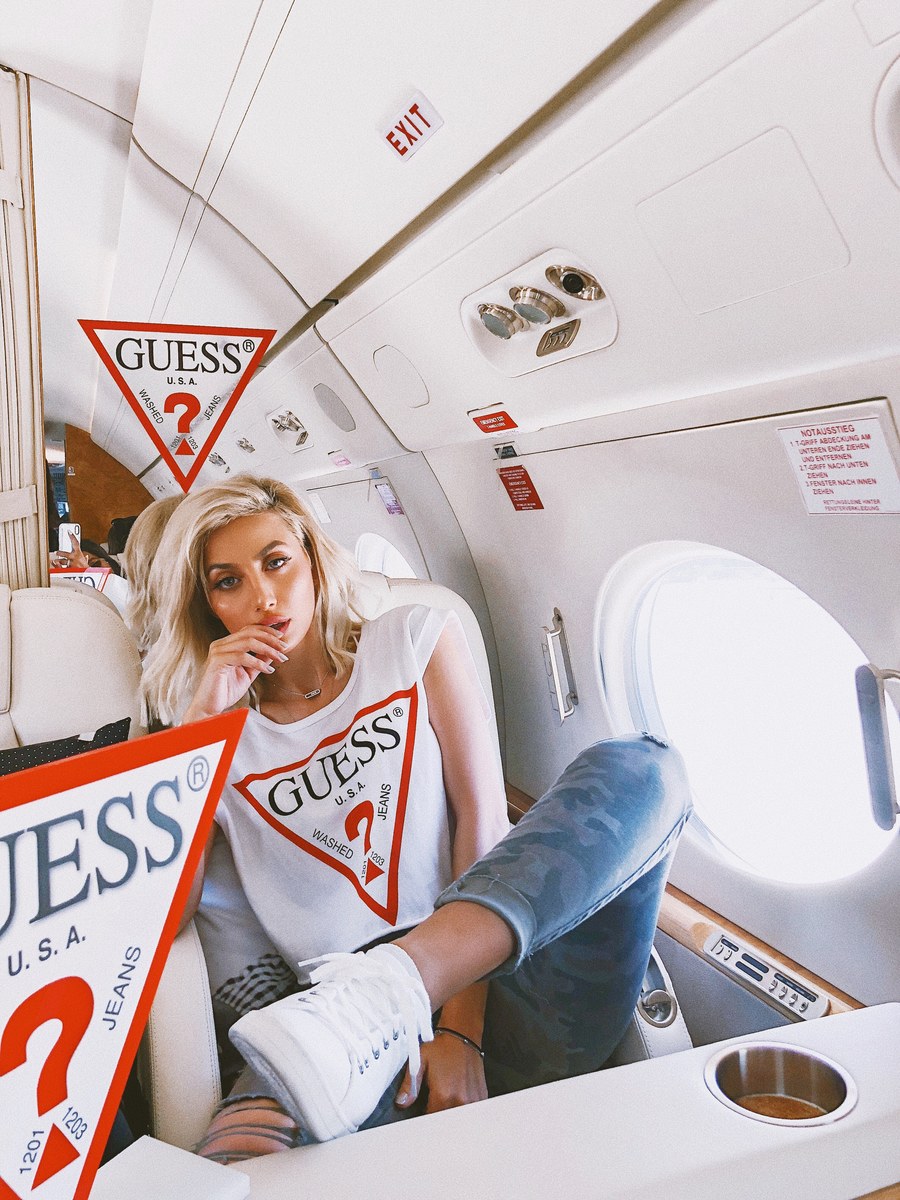
Roz moved to the US in 2013 to pursue a degree in interior design, but her hopes of becoming a model pushed her to give it a shot.

“Ever since I was young, becoming a model was always a dream of mine. It was a bit difficult for me as a Saudi woman… but to me nothing is impossible” Roz told Arab News.


Stay hopeful。 . . @fashionnova #fashionnova #model_roz #مودل_روز

A post shared by (@model_roz) on

Challenging stereotypes proved to be one of the major hurdles Roz had to face, but “with my persistence, I was able to prove to brands that I am not just famous… I am also influential to many people,” Roz said. 

The model’s Instagram feed is littered with photographs of her various advertising campaigns, as well as visits to many a product launch party — from NYX Cosmetics events to TikTok gatherings, if there is anything pop culture-related going on in Los Angeles, chances are you will spot Roz in the well-heeled crowd.
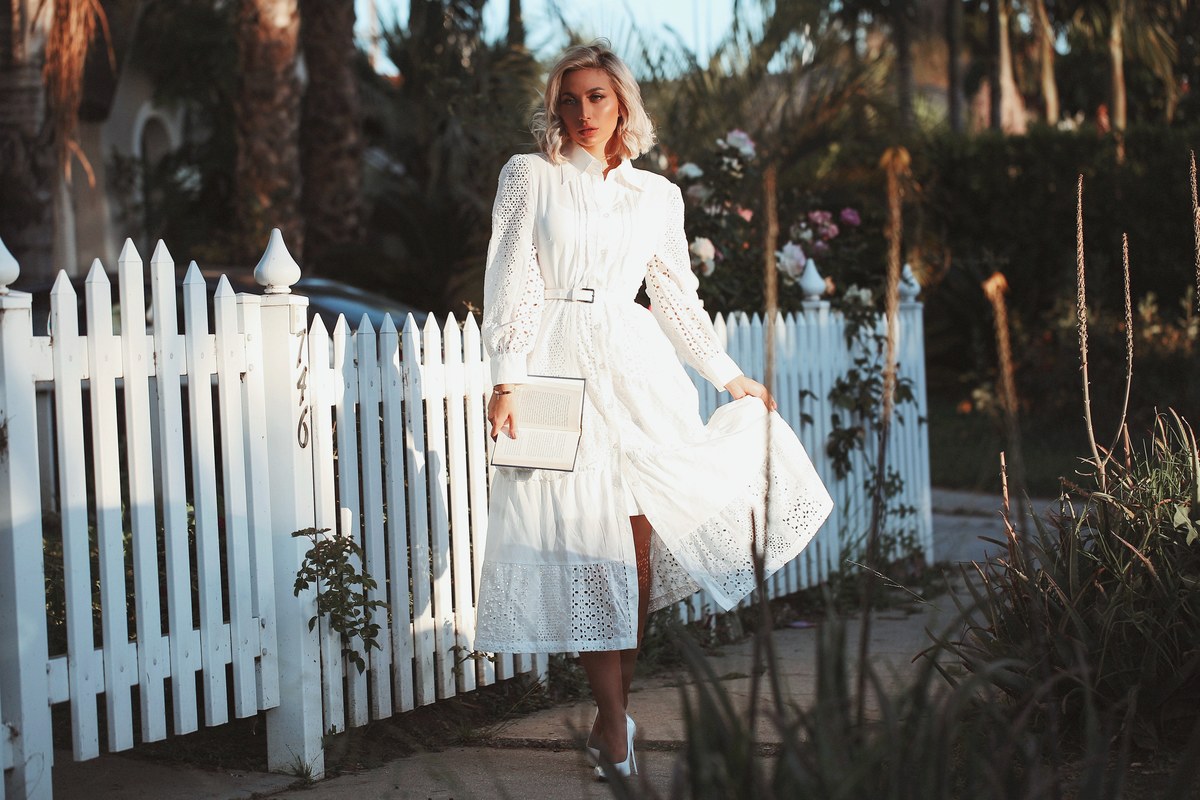
While her Instagram feed is largely filled with shots of the model posing with picture-perfect makeup and expertly curated clothing, hop over to her Snapchat account, ModelRoz, and it’s an altogether more casual story.

“Snapchat (is my favorite). It makes me feel closer to my audience… To me, Instagram is more professional… but Snapchat covers my daily life.” 


كل عام وانتم بخير Happy Eid #eid #عيد_الفطر #model_roz #مودل_روز

A post shared by (@model_roz) on

The approach seems to be working, the model clocked up 1.5 billion Snapchat story views in 2018.

When speaking about other models from the region who want to follow in her footsteps, the social media maven advised them to be themselves.
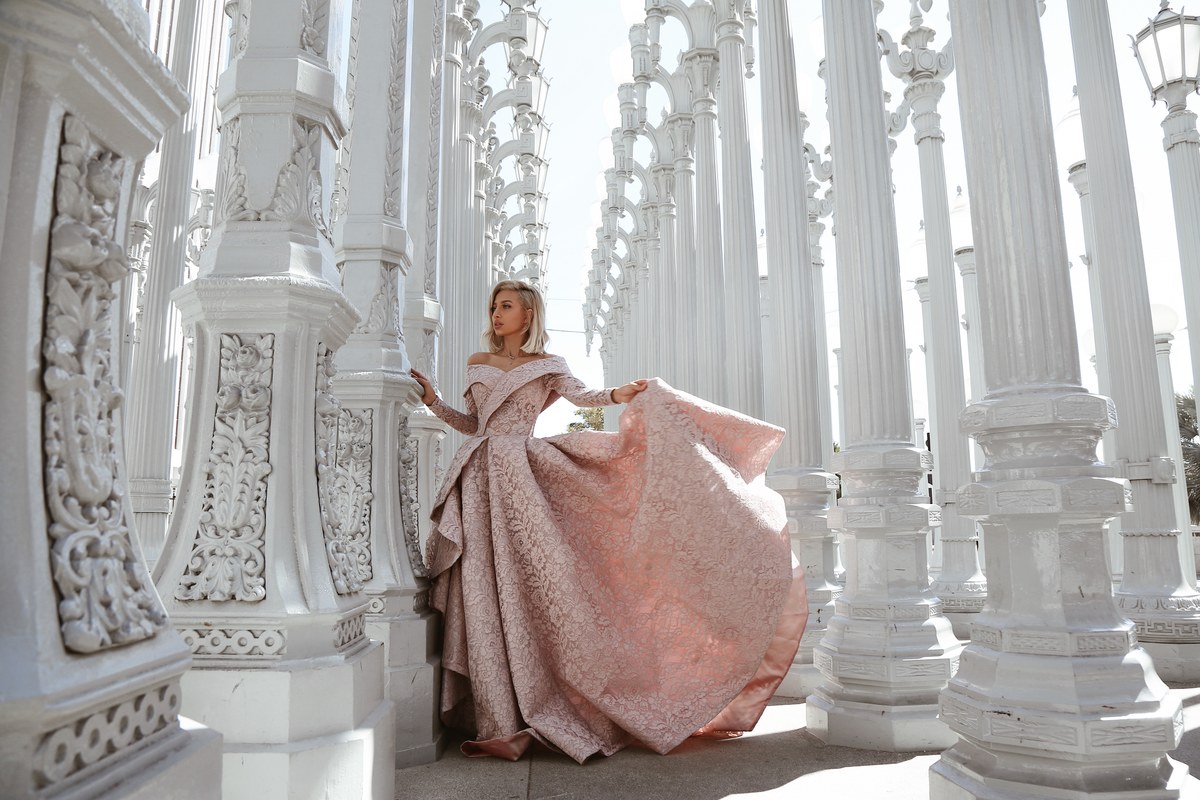
“People will love you for who you are,” Roz said, adding: “We live in a world where respecting each other is a must. We should understand that people are different, whether it be religion, nationality, personality or even culture.”

As for moving back to the Gulf, Roz remains open to the possibility, saying it largely depends on career opportunities.

“The headquarters of almost all brands are in the US, but if my job requires me to move back to the Gulf, I would definitely do so.”


Sheikha Al-Mayassa talks cultural patronage at Art Basel Qatar Conversations panel

Updated 04 February 2026
Follow

Sheikha Al-Mayassa talks cultural patronage at Art Basel Qatar Conversations panel

DOHA: Cultural leaders at the inaugural edition of Art Basel Qatar in Doha have discussed how patronage is reshaping art ecosystems, with Qatar’s own long-term cultural vision at the center.

The opening panel, “Leaders of Change: How is patronage shaping new art ecosystems?” brought together Sheikha Al-Mayassa bint Hamad bin Khalifa Al-Thani, chair of Qatar Museums, and Maja Hoffmann, founder and president of the Luma Foundation, in a discussion moderated by Hans Ulrich Obrist, artistic director of the Serpentine Galleries in London. The talk formed part of the Art Basel Conversations x Qatar Creates Talks program, coinciding with the debut of Art Basel Qatar which runs in Doha until Feb. 8.

Sheikha Al-Thani framed Qatar’s cultural project as a strategic, long-term endeavor anchored in national development. “Qatar has a national vision called 2030 where culture was one of the main pillars for socioeconomic development and human development,” she said. “We have always invested in culture as a means of human development.”

That vision, she explained, underpins the decision to welcome a major international fair like Art Basel to Doha after turning away many previous proposals.

“For the longest time, I can’t tell you how many art fairs came to us wanting to be here, and we never felt it was the right time,” she said. “However, this is an important year for us and we felt, with the surplus of talent and the growing gallery scene we had here, that it was time to bring industry to talent, because that’s how we will spur the economic diversification from hydrocarbon to a knowledge-based society.”

She was also keen to stress that Art Basel Qatar was not conceived as a conventional marketplace.

 “This is not your typical art fair … It’s a humane art fair where engagement is more important than transaction, discourse more important than division, and curiosity more important than conviction,” she added.

That ethos extends to the fair’s artistic leadership. Al-Thani described how the decision to have an artist — Wael Shawky — serve as artistic director emerged collaboratively with Art Basel’s team.

“He’s a global artist who’s now become a very local artist, very invested in our local art scene. And really, I think that’s the beauty of partnerships … There is a safe space for us to critique each other, support each other, and really brainstorm all the possibilities … and then come to a consensus of what would make sense for us,” she said.

Collecting art, she added, has long been embedded in Qatari society: “My grandmother is almost 100 years old. She was collecting in the 60s when Qatar was a very poor country. It’s in our DNA … always with this notion of investing in knowledge and human development.”

Today, that impulse translates into comprehensive, multi-disciplinary collections: “We are both collecting historical objects, contemporary objects, modern objects, architecture, archival material, anything that we feel is relevant to us and the evolution of this nation towards a knowledge-based economy.”

Looking ahead, Al-Thani outlined a new cultural triangle in Doha — the National Museum of Qatar, the Museum of Islamic Art and the forthcoming Art Mill Museum — as engines for both economic diversification and intellectual life.

 “That ecosystem will enhance the economic growth and diversification, but also the knowledge that’s available, because the diversity in the collections between these three institutions will no doubt inspire young people, amateurs, entrepreneurs to think outside the box and inform their next business,” she said.

The panel closed with a focus on the future of large-scale exhibitions with Rubaiya, Qatar’s new quadrennial, timed to coincide with the anniversary of the 2022 World Cup.

“Every four years in memory of the opening of the World Cup, we will open the quadrennial. This year, the theme is ‘Unruly Waters.’ At the center of the theme is Qatar’s trading route to the Silk Road,” explained Al-Thani.

“It’s important for us to trace our past and claim it and share it to the rest of the world, but also show the connectivity that Qatar had historically and the important role it has been playing in diplomacy.”