BAGHDAD: Human Rights Watch on Monday warned of a repeat of last year’s deadly water crisis in Iraq’s oil-rich southern province of Basra unless authorities correct decades of management failures.
Nearly 120,000 people were hospitalized last summer after drinking polluted water, in a mass health crisis that sparked deadly protests against the dire state of public services.
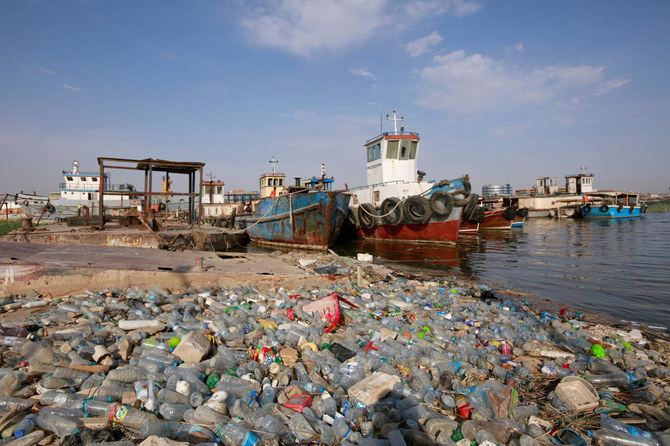
In a damning report, HRW found the generally poor state of water quality was likely compounded by algae that rapidly spread last year in the Shatt Al-Arab waterway that runs through Basra and provides it with its primary water source.
It indicated that the algae, pollution and high salination could together have sparked the mass health crisis.
“These combined failures violate Basra residents’ rights to water, sanitation, health, information, and property guaranteed under international and national law,” it said.
HRW slammed Iraqi officials as “short-sighted,” saying they had not properly communicated with citizens about the emergency at the time, nor released the results of probes in the year since or dealt with underlying causes.
“While solving Basra’s water crisis will take serious planning, time, and money, it is possible to address so long as authorities take their responsibilities seriously,” said Lama Fakih, HRW’s acting Middle East director.
“The alternative is deadly.”
The report relies on dozens of interviews with residents of Basra, experts and government officials as well as analysis of satellite imagery.
Those images revealed evidence of oil spills and algal bloom in the Shatt el-Arab and other waterways that contaminated the water which, when consumed, could cause abdominal pain, fever, vomiting and bloody diarrhea.
Besides the direct health impact, the water crisis forced families to flee Basra in search of potable water, buy expensive bottled water or keep their children at home if there was no plumbing in schools.
With increasingly scarce water, climate change, pollution and poor water usage, “Basra will suffer from acute water crises in coming years in the absence of strategic solutions,” HRW warned.
It urged authorities compensate those affected and develop comprehensive strategies to prevent pollution and illegal water tapping.
It also said the government should create a health advisory system to keep citizens aware of water quality standards, impending crises and how to deal with them.
In July 2018, mass protests over corruption and government neglect erupted in Basra, swelling in the following weeks and eventually turning deadly, with 12 demonstrators killed.
Iraq is classified as the 12th most corrupt country in the world.


![]()

More Basra water crises unless Iraq government fixes ‘failures’
More Basra water crises unless Iraq government fixes ‘failures’
- Nearly 120,000 people were hospitalized last summer after drinking polluted water
- HRW slammed Iraqi officials as “short-sighted,” saying they had not properly communicated with citizens about the emergency at the time


Latest updates


© 2026 SAUDI RESEARCH & PUBLISHING COMPANY, All Rights Reserved And subject to Terms of Use Agreement.