KARACHI: Pakistan will set up an investigation commission to probe into who is responsible for its latest predicament after a World Bank arbitration court ordered Islamabad to pay damages worth $5.8 billion to a copper company over a 2012 dispute over the lease to a mine in Pakistan’s remote southwestern province of Balochistan.
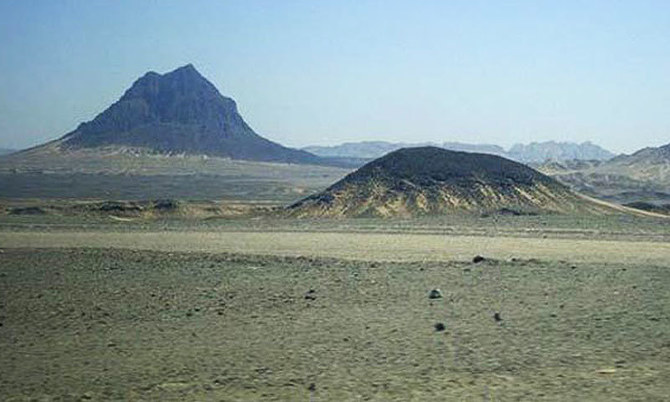
Tethyan Copper Company, TCC, a joint venture company of Barrick Gold of Canada and Antofagasta Minerals of Chile, discovered huge mineral wealth more than a decade ago in Reko Diq, at the foot of an extinct volcano near Pakistan’s frontier with Iran and Afghanistan.
On Friday, the International Center for Settlement of Investment Disputes (ICSID) announced the details of its verdict, which includes compensation of over $4 billion as the fair market value of the Reko Diq project at the time of the mining lease denial, and interest of $1.753 billion.
“Prime Minister has directed the formation of a commission to investigate into the reasons as to how Pakistan ended up in this predicament, who were responsible for making country suffer such a loss and what are the lessons learnt, so that mistakes made are not repeated in the future,” a statement issued by the office of the attorney general of Pakistan said late Saturday.
Pakistan’s federal and provincial government of Balochistan are mulling a future course of action following the verdict.
“For now, the government of Pakistan reserves its right to pursue any and all legal remedies available to it under the ICSID regime, the international law and all other relevant laws to safeguard its interests,” the statement added.
The ruling has come at a sensitive time for the government of Prime Minister Imran Khan, which earlier this month signed a $6 billion bailout agreement with the International Monetary Fund to stave off a balance of payments crisis, and is struggling to attract foreign investors. The ICSID verdict, if implemented, will be a huge setback.
However, William Hayes, chairman of the board of TCC expressed his willingness to work with Pakistan toward a negotiated settlement on Friday, a move Pakistan has welcomed.
The statement said Pakistan “welcomed this approach to work toward a mutually beneficial solution that works for both sides.”
TCC says it had invested more than $220 million by the time Pakistan’s government, in 2011, suddenly refused to grant a mining lease needed for it to keep operating.
This has turned the spotlight on the business climate in Pakistan and become a test of its ability to attract significant foreign investment.
Legal experts in Pakistan are suggesting the formation of a judge’s panel to resolve investment related disputes before they damage investor confidence.
“A panel of retired judges needs to be constituted which can be approached by investors to examine the cases and come to the terms to resolve the matter,” Ahmer Bilal Soofi, a lawyer and member of Pakistan’s board of investment, told Arab News.
“If the parties go toward the settlement after this judgment, that would be a positive signal for international investors,” he said.
For its part, Pakistan has assured investors it will protect their legal rights in the country.
“Pakistan welcomes investors and assures them that their lawful rights, interest and assets shall always be protected by Pakistan,” the statement added.
The Reko Diq Mining Project is a $3.3 billion investment project for a copper-gold open-pit mine. The deposit is expected to rank among the world’s biggest untapped copper and gold mines and the initial project was to have an estimated mine life of 56 years.


![]()

Pakistan to investigate Reko Diq case after expensive court verdict
Pakistan to investigate Reko Diq case after expensive court verdict
- Tethyan Copper Company has expressed a willingness to reach a negotiated settlement
- A judges panel should examine international investment arbitration cases in Pakistan, legal experts say
Latest updates


© 2026 SAUDI RESEARCH & PUBLISHING COMPANY, All Rights Reserved And subject to Terms of Use Agreement.