ISLAMABAD: When it comes to berries, falsa remains the top pick for Pakistanis in this scorching heat, with several food and beverage outlets reaching out for the versatile fruit to pack a punch in their choice of menus.
With its botanical name as Grewia Asiatica, falsa or phalsa traces its roots to South Asia and is very similar to the blueberry.
Demand for the tangy-sweet fruit reaches a fever pitch in summer when restaurants and bakeries dole out falsa-based desserts, juices and smoothies.
One such food outlet is Funky Pop, an ice-cream retailer which is popular for its fresh fruit popsicles that are devoid of artificial flavours or added sugar. Watch out for their falsa popsicles available at their outlet in F10 Markaz, or if creamy Italian ice cream is more up your alley, right around the corner at Manolo Gelato in F11 markaz they are serving up falsa hype with a special availability of falsa gelato.
Close on the heels of Funky Pop is Sooper Scooperz in Islamabad’s Jinnah Market, whose rich and seasonal juices are a favorite among locals and visitors alike. New on their menu is the falsa juice which can be devoured on its own or blended with a combination of other fruits.
Not one to be limited to juices and popsicles, the fruit – with the help of Karachi-based Tempting Bites by Zee – is pushing the envelope by adding a little bit of glamor to the humble kulfi as well.
The retailer which delivers the delight at home too, has been churning out cups of the icecream for years now and is very popular among residents in the metro.
Shehreen Farhan who runs a bakery in Bara Kahu, Islamabad says the fruit has been an industry favorite, mostly for its versatility, as it can jazz up any classic desserts.
“Cobblers (that are traditionally made with apples and peaches), pies and fruit tarts are so easy to modify by using falsa in place of berries and other fruits,” she said, adding that “fruit tarts are our best falsa seller.”
A more desi spin to the fruit is by using it in fruit chaats and salads, as well as boiling it down to jams and syrups or as a tangy replacement for regular chutneys and achaars (pickles).

Berry versatile: Falsa rules the roost as Pakistan’s most favored summer fruit
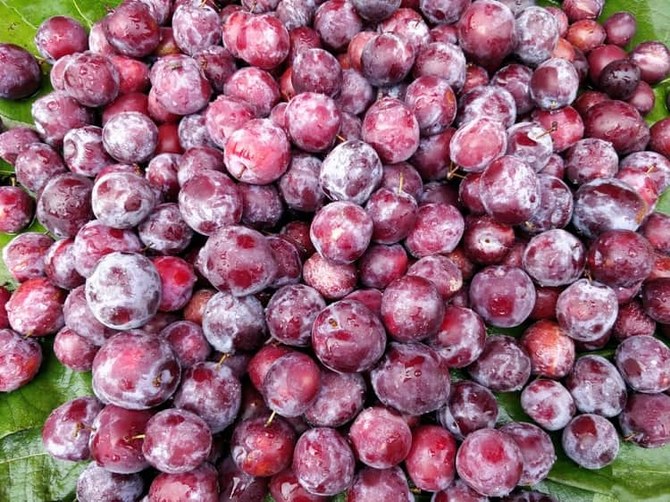
- From kulfis and juices to pickles, the tangy-sweet fruit is on most checklists
- Restaurants put on their thinking caps by adding it to traditional dishes and drinks
New PIA owner plans more GCC flights, lower airfares
- New management will focus on religious tourism to Makkah, Madinah and other sites to expand global reach
- Owner Arif Habib says airfares will be rationalized to make PIA flights affordable for low-income Pakistanis
KARACHI: Pakistan’s recently privatized national carrier, the Pakistan International Airlines (PIA), plans to increase its flights to the Gulf Cooperation Council (GCC) region as part of its post-privatization business strategy to achieve 7.5% annual revenue growth, its new owner said this week.
A Pakistani consortium, led by Arif Habib Group, clinched a 75% stake in PIA for Rs135 billion ($482 million) on Dec. 23 after a competitive bidding process, in a deal that valued the airline at Rs180 billion ($643 million).
The sale marked Pakistan’s most ambitious effort in decades to reform the debt-ridden airline that had accumulated over Rs784 billion ($2.8 billion) in losses. The government said it aimed to end decades of state-funded bailouts and support the airline’s revival.
In an exclusive interview with Arab News, Arif Habib, chairman of Arif Habib Group, shared that he aims to attract around 70 million Pakistanis, who travel annually via different airlines, by making airfares more affordable.
“That [GCC region] is our biggest market... We would definitely try to increase the frequency of flights, increase the number of planes there, and try to capture more market share in that area,” Habib told Arab News on Monday.
“So, there we see a lot of opportunity.”
The new management of PIA, which currently caters to 4 million passengers annually, aims to target religious tourism, which Habib called a “captive market” in Pakistan and the Middle East.
According to PIA spokesperson Abdullah Hafeez Khan, the airline runs around 20 flights daily to the Middle East.
Habib plans to invest around Rs112 billion ($400 million) in PIA to turn the airline around, implementing short- and long-term improvements ranging from upgrading seats to tripling the 19-aircraft fleet, and engaging a foreign airline as a technical partner through strategic divestment over the next seven to eight years.
The group also intends to reduce PIA fares to make air travel more affordable for passengers from Pakistan’s low-income groups.
“Yes, we have been advised that in order to increase our market share, we will have to rationalize the airfares,” Habib said. “That is in the plan, and we will unfold it as it comes.”
The new owners have engaged a global advisory firm, Seabury Aviation Partners, to identify viable markets for the newly privatized airline and expand its presence both locally and internationally.
Habib aims for up to 7.5% annual growth in PIA’s operational revenues to make it profitable and the new management is targeting European and North American markets, particularly routes to and from the United Kingdom, the United States and Canada, for this purpose.
“The UK is the most lucrative market where I think there is a lot of demand,” he said, adding they would also be seeking more flight destinations. “Even for USA there is demand there.”
Habib, however, said the airline would take time to deliver “reasonable” returns to its investors, including AKD Group Holdings, Fatima Fertilizer Company, City Schools, Lake City Holdings and Fauji Fertilizer Company, a publicly listed firm owned by Pakistan’s military.
“In initial period of one to two years, we may see some losses but into medium term, I think, that would be turned around,” he concluded.
PIA posted a pre-tax profit of Rs11.5 billion ($41 million) for the January–June 2025 period, its first such profit for this timeframe in nearly two decades, according to a Reuters report in September. The airline recorded losses during the same period in 2024.
Once considered one of Asia’s leading carriers, PIA struggled with chronic mismanagement, political interference, overstaffing, mounting debt, and operational issues that led to a 2020 ban on flights to the European Union, the UK, and the US following a pilot licensing scandal. The EU and UK have since lifted their bans, giving the airline renewed momentum, while the US ban remains in place.
On Tuesday, PIA announced that the airline will be expanding its UK operations and will operate four weekly flights from Islamabad to London starting Mar. 29.
“The flights are being resumed after a long gap of six years,” PIA spokesman Khan said in a statement. “PIA is already operating three weekly flights to Manchester.”


