PESHAWAR: A Pakistani legislator who escaped a deadly clash between the army and activists on Sunday surrendered to authorities on Thursday, a close aide of the lawmaker said, ending a four-day long manhunt by police and the military.
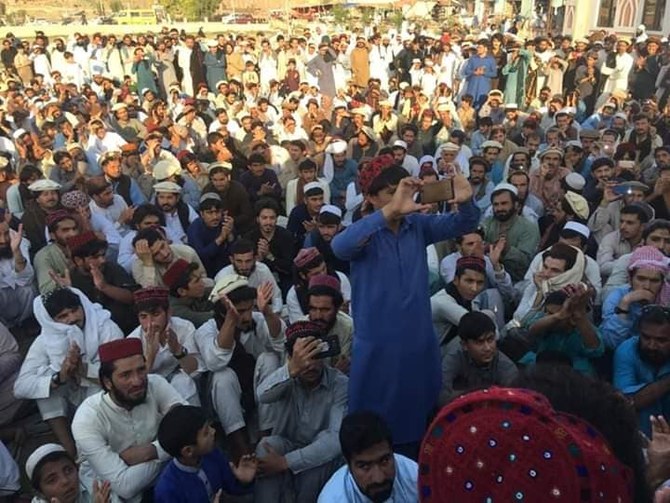
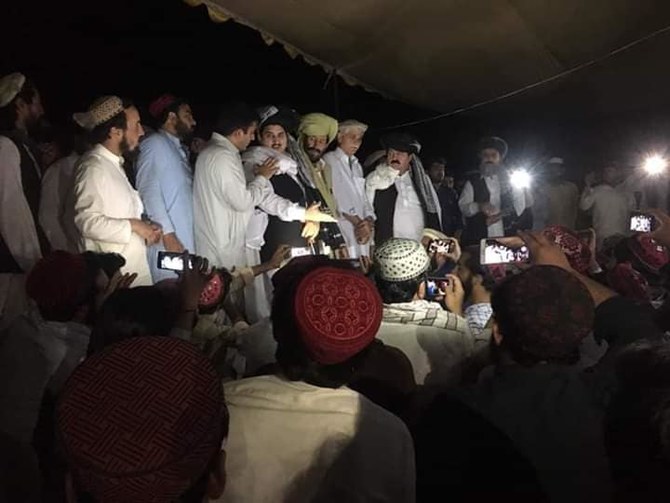
Mohsin Dawar and another member of parliament, Ali Wazir, who is already in police custody, are accused by the military of being involved in an assault on a security post in Pakistan’s North Waziristan region on Sunday. Dawar and other activists of the Pashtun Tahaffuz Movement (PTM), which was co-founded by Dawar and campaigns for civil rights for ethnic minority Pashtun people, said troops opened fire on unarmed people who had gathered to protest heavy-handed treatment by security forces. The PTM says 13 civilians were killed in firing while the army says three people were killed.
Abdullah Nangyal, a close aide of Dawar, said the PTM leader surrendered himself to the counter terrorism department in Bannu which would now produce him before an anti-terrorism court.
Nangyal said Dawar’s home in Darpakhel, a village on the outskirts of Miran Shah, the main town in North Waziristan, had been under siege by security forces for the last two days.
“The local administration formed a jirga of tribal elders and convinced Dawar to surrender and suspend a PTM sit-in until [the Muslim religious festival of] Eid,” he said. “The efforts by the tribal elders have helped defuse the tense situation.”
Officials of the North Waziristan administration could not be reached for comment despite repeated attempts by Arab News.
Communication is a major problem in the tribal territories bordering Afghanistan where cellphone service mostly remains patchy and landlines have been down for the last several days.
Videos that were circulated on social media appear to show unarmed protesters arguing with soldiers on Sunday and breaching a barbed-wire barricade placed on a road, before gunfire sent activists running for cover.
The violence is the most serious incident in a long-running confrontation between authorities and the PTM, which has vowed to remain non-violent. Human rights groups have called for an inquiry into the incident.
The military has accused the PTM of being funded by foreign intelligence agencies — a veiled reference to arch-foe India and its Afghan allies — to stoke unrest in Pakistan’s Pashtun lands after the Pakistani army defeated Islamist militants there.
“They wanted to exert pressure for the release of suspected terrorists’ facilitator arrested the other day,” the military’s media wing has said about the PTM’s protesters on clashs with soldiers on Sunday.
PTM leader and legislator Ali Wazir and eight others were arrested after the clash while Dawar had remained at large.
A police report lodged against the two lawmakers and their colleagues include charges of terrorism, attempt to murder, murder, assault or use of criminal force to deter public servants from discharging their duty, criminal conspiracy and abetment to an offense.


![]()
![]()
![]()

Pakistani lawmaker surrenders after bloody clash between army and protesters

Pakistani lawmaker surrenders after bloody clash between army and protesters
- Military accuses legislators Mohsin Dawar and Ali Wazir of being involved in an assault on a security post
- MPs say protesters were unarmed, Dawar had been in hiding since Sunday’s violence
Latest updates


© 2026 SAUDI RESEARCH & PUBLISHING COMPANY, All Rights Reserved And subject to Terms of Use Agreement.