ISLAMABAD: Pakistan Prime Minister Imran Khan will lead the country’s delegation to attend the 14th Organization of Islamic Cooperation (OIC) Summit in Makkah on 31 May.
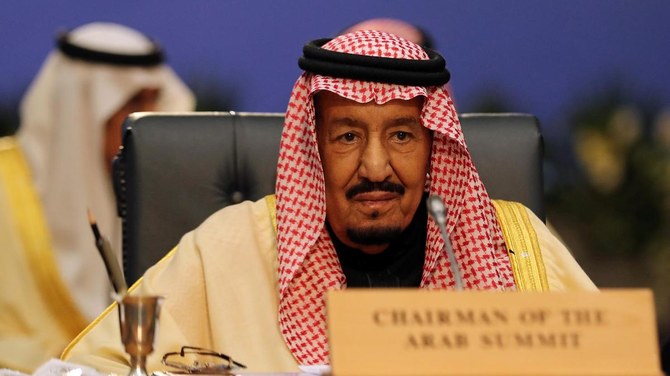
Saudi King Salman bin Abdulaziz has invited 57 members of the OIC to attend the current summit, which will be the fourth such session to be held in the holy city of Makkah.
The two-day summit is expected to discuss an array of key issues confronting the Muslim world, mulling over ways to forge unity within the Muslim Ummah, especially given the rising tensions in the Arabian Gulf.
Prime Minister Khan is also expected to meet leaders of the Muslim world on the sidelines of the summit.
Senator Sehar Kamran, member of Pakistan’s upper house of the parliament, lauded the Kingdom’s leading role and commended the Custodian of the Two Holy Mosques King Salman for hosting the OIC summit.
“The upcoming 14th session of Islamic Summit in Makkah is taking place in critical times …. in these testing times, the kingdom of Saudi Arabia can play a vital role in forging harmony and unity within the Muslim Ummah and lead the Muslim countries to confront the growing threat of terrorism and militancy in the region,” Kamran told Arab News.
She said the “recent wave of Missile attacks in Saudi Arabia, specifically the evil designs to target the holy sites, has developed serious concerns across the Muslim Ummah. I hope the Islamic Summit will be instrumental in identifying and containing evil conspiracies.”
Rizwan Ul Haq Mahmood, Pakistan’s former consul general in Jeddah, said that Saudi Arabia is “undoubtedly the political leader of the Islamic world” and has always made “strenuous efforts to bridge the gulf between Islamic countries.”
“Saudi Arabia’s effort is again aimed at reviving the unity of thought among Muslim states and ensure a unanimous stand in thorny issues confronted by the Ummah.”
Hafiz Tahir Mehmood Ashrafi, chairman of the All Pakistan Ulema Council, said that OIC summit in Makkah is of key importance as the entire Muslim world has pinned high hopes with its outcome.
“Saudi role and its services for the Islamic world cannot be ignored. The decision of Khadim-e-Harmain Al-Sharifain [Custodian of the Two Holy Mosques] King Salman bin Abdulaziz to invite leadership of Muslim countries and Muslim Ulema and scholars on the night of 27th Ramadan is a positive sign to seek solution for the prevailing challenges confronting the Muslim world,” said Ashrafi.
Founded in 1969, the OIC is the second largest intergovernmental organization after the UN with 57 member states from four continents. It represents the Islamic world and seeks to protect its interests.


![]()
![]()

Pakistan pins high hopes on OIC summit

Pakistan pins high hopes on OIC summit
- King Salman has invited 57 members to the 14th OIC summit in Makkah
- Makkah summits reflect vital Saudi role in forging unity within Muslim Ummah, Pakistani lawmaker says
Latest updates


© 2026 SAUDI RESEARCH & PUBLISHING COMPANY, All Rights Reserved And subject to Terms of Use Agreement.