ISLAMABAD: Afghanistan’s national security adviser Hamdullah Mohib would arrive in Islamabad on Tuesday to discuss a wide range of issues, said a senior Afghan official on Sunday.
Hikmat Safi, adviser to Afghanistan’s chief executive Abdullah Abdullah, told Arab News that the NSA’s daylong visit was going to take place at a crucial juncture, adding it could lead to a thaw in the frosty relations between the two countries.
Despite their cultural and historic affinities, relations between Pakistan and Afghanistan have mostly remained strained in the past.
Afghanistan recalled its ambassador from Islamabad in March to protest Prime Minister Imran Khan’s reported statement wherein he maintained that Kabul should adopt an interim setup ahead of the Afghan presidential election this year.
While Pakistan insisted that Khan’s comments were “misinterpreted,” Afghan foreign ministry spokesman Sibghatullah Ahmadi described them as “irresponsible” and claimed they reflected Islamabad’s “interventional policy and disrespect to the national sovereignty and determination of the people of Afghanistan.”
As the United States and Taliban discuss the future of Afghanistan in Doha, however, the administration in Kabul is trying to find a way to negotiate with the militia group. So far, it has not succeeded, though some of its officials believe that Pakistan could help them achieve that objective.
“The NSA visit to Islamabad is taking place at a time of immense importance,” Safi said. “The US-Taliban talks are moving ahead in Qatar and Pakistan has played a leading role to set things in motion.”
The Afghan media recently quoted the spokesman of Afghan National Security Council Tariq Arian as saying that Mohib’s trip to Pakistan could provide fresh impetus to the Pak-Afghan relations.
“Mohib will discuss security, peace and counterterrorism issues with senior Pakistani officials and ministers,” he added.
The interaction between the officials of the two countries this week could also lead to the Afghan president’s visit to Islamabad, Safi said.
“These visits will have a positive impact on bilateral and regional situation,” he continued.
According to Irfanullah Khan, an expert on the Pak-Afghan relations, the two estranged neighbors should promote regional integration and economic development for the benefit of their people.
“These visits should be carried out more frequently,” he told Arab News. “The issues being faced by Islamabad and Kabul need a negotiated settlement.”
Earlier this month, Pakistan’s prime minister extended an invitation to Afghan President Ashraf Ghani to visit his country in a telephonic exchange. When asked about the dates, Safi said they were being decided through diplomatic channels.


![]()

Afghan national security adviser to visit Islamabad on Tuesday
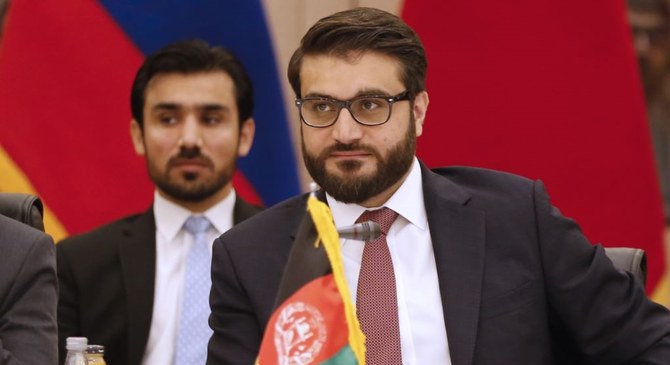
Afghan national security adviser to visit Islamabad on Tuesday
- NSA’s diplomatic engagements could lead to President Ghani’s Islamabad visit, says Afghan official
- Experts say officials of the two countries should hold such meetings more frequently
Latest updates


© 2026 SAUDI RESEARCH & PUBLISHING COMPANY, All Rights Reserved And subject to Terms of Use Agreement.