ISLAMABAD: Dough-wrapped samosas filled with meat and vegetables. Pakora fritters made from potatoes. Mutton stews. Sweet vermicelli milk pudding, and lots and lots of dates. The holy month of Ramadan may be about fasting for devout Muslims, but it is also as much a gastronomical festival.
As Ramadan arrives in Pakistan each year, it brings with it questions of what to eat to remain energized, full and healthy at both the daily Sehri pre-dawn meal and the iftar dinner with which the devout break their fast. Especially when fasting from dawn till dusk needs to be practiced in the heat of summer months, maintaining a diet that helps keep the hunger and fatigue at bay and the spirits up is even more essential.
Good news first: dates, a Ramadan staple around the world, are a healthy option!
“Eating dates with water at iftar or Sehri helps to maintain electrolyte balance,” said nutritionist Tehreem Usman who works at Islamabad-based fitness studio The Space. “It provides important minerals like potassium, copper, and manganese.”
The lack of healthy nutrients in the body throughout the fasting day causes hunger pangs and headaches, Usman said, which people try to overcome at the iftar meal by overeating and opting for instantly gratifying fried snacks and high-sugar drinks.
So what are the right foods to eat?
For Sehri: “Protein-rich foods like egg, meat, lentils, green vegetables, whole grain cereals or complex carbs and low-fat dairy help you keep full for hours to come as they digest slowly and help stabilize blood sugar levels,” Usman said.
But preparing healthy meals for yourself is hard when the rest of the family is ready to throw back handfuls of greasy, crispy delights.
One option in Islamabad is to use healthy food delivery services like Treat, the brainchild of Ali Paracha who started the service because he had gone through the experience of not being able to eat clean, especially in Ramadan, as he went through a personal journey of weight loss. Planning what you eat was key to staying healthy in Ramadan, Paracha said.
“You have to make sure you don’t attack all the samosas and fried food and that you’re planning what you’re eating and that you’re making sure that it’s healthy and not overly sugary and salty,” he said.
Eating high doses of sugar and salt lead to a shock to the system and finding a balance, nutritionist Usman said, was essential.
“For Sehri, eat foods that will keep you full for the day and not abandon you before you reach iftar, like eggs with multigrain bran bread or loaded oatmeal,” she said. “A lot of people eat parathas (fried bread) for Sehri which is a terrible idea! That much fat at that time is not good for your body, because it’s storing the fat and using the carbs.”
Instead, the answer was complex, slow release carbs.
“I would recommend Treat’s five seed granola which is packed full of superfoods and oats roasted with honey, some nuts, and dried fruit,” Paracha said. “You can have that with fresh fruit and yogurt and it ends up being a well-balanced meal.”
And for the iftar meal, by which time one has gone over 15 hours without eating, one should be “eating to replenish,” said Usman.
“One should eat foods from all major food groups: cereals, fruits and vegetables, meat and meat alternatives including low-fat dairy,” she said.
“Think salads, or at the very least, side salads,” Paracha said, adding: “And fruit chaat (salad) prepared without the juices and sugar we are likely to dump on them.”

You think healthy Ramadan eating isn’t possible in Islamabad? Think again
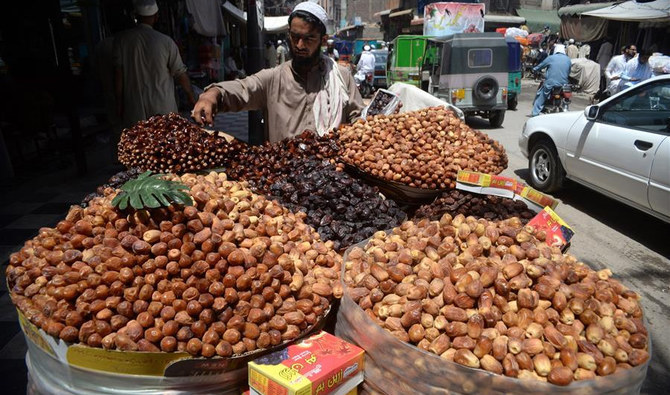
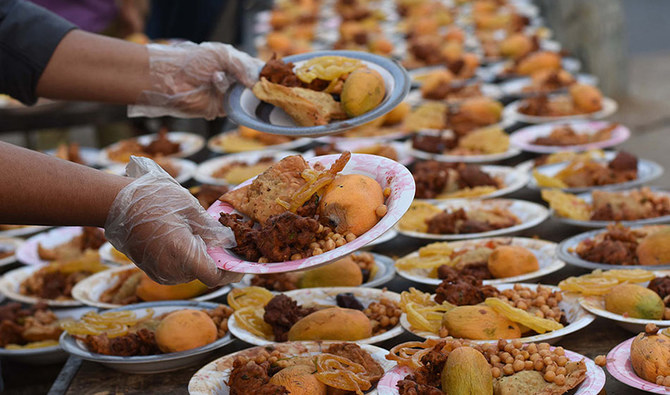
- For sehri meals, nutritionists recommend eggs, meat, lentils, green vegetables; for iftar, cereals, fruits, vegetables and meat are the way to go
- Planning what you eat and resisting fried food and sugary drinks hold the key to staying healthy in Ramadan
Imran Khan’s party shutdown draws mixed response; government calls it ‘ineffective’
- Ex-PM Khan’s PTI party had called for a ‘shutter-down strike’ to protest Feb. 8, 2024 general election results
- While businesses reportedly remained closed in Khyber Pakhtunkhwa, they continued as normal elsewhere
ISLAMABAD: A nationwide “shutter-down strike” called by former prime minister Imran Khan’s party drew a mixed response in Pakistan on Sunday, underscoring political polarization in the country two years after a controversial general election.
Khan’s Pakistan Tehreek-e-Insaf (PIT) opposition party had urged the masses to shut businesses across the country to protest alleged rigging on the second anniversary of the Feb. 8, 2024 general election.
Local media reported a majority of businesses remained closed in the Khyber Pakhtunkhwa (KP) province, governed by the PTI, while business continued as normal in other provinces as several trade associations distanced themselves from the strike call.
Arab News visited major markets in Islamabad’s G-6, G-9, I-8 and F-6 sectors, as well as commercial hubs in Rawalpindi, which largely remained operational on Sunday, a public holiday when shops, restaurants and malls typically remain open in Pakistan.
“Pakistan’s constitution says people will elect their representatives. But on 8th February 2024, people were barred from exercising their voting right freely,” Allama Raja Nasir Abbas Jafri, the PTI opposition leader in the Senate, said at a protest march near Islamabad’s iconic Faisal Mosque.
Millions of Pakistanis voted for national and provincial candidates during the Feb. 8, 2024 election, which was marred by a nationwide shutdown of cellphone networks and delayed results, leading to widespread allegations of election manipulation by the PTI and other opposition parties. The caretaker government at the time and the Election Commission of Pakistan (ECP) both rejected the allegations.
Khan’s PTI candidates contested the Feb. 8 elections as independents after the party was barred from the polls. They won the most seats but fell short of the majority needed to form a government, which was made by a smattering of rival political parties led by Prime Minister Shehbaz Sharif. The government insists the polling was conducted transparently and that Khan’s party was not denied a fair chance.
Authorities in the Pakistani capital deployed a heavy police contingent on the main road leading to the Faisal Mosque on Sunday. Despite police presence and the reported arrest of some PTI workers, Jafri led local PTI members and dozens of supporters who chanted slogans against the government at the march.
“We promise we will never forget 8th February,” Jafri said.
The PTI said its strike call was “successful” and shared videos on official social media accounts showing closed shops and markets in various parts of the country.
The government, however, dismissed the protest as “ineffective.”
“The public is fed up with protest politics and has strongly rejected PTI’s call,” Pakistan’s Information Minister Attaullah Tarar said on X.
“It’s Sunday, yet there is still hustle and bustle.”
Ajmal Baloch, All Pakistan Traders Association president, said they neither support such protest calls, nor prevent individuals from closing shops based on personal political affiliation.
“It’s a call from a political party and we do not close businesses on calls of any political party,” Baloch told Arab News.
“We only give calls of strike on issues related to traders.”
Khan was ousted from power in April 2022 after what is widely believed to be a falling out with the country’s powerful generals. The army denies it interferes in politics. Khan has been in prison since August 2023 and faces a slew of legal challenges that ruled him out of the Feb. 8 general elections and which he says are politically motivated to keep him and his party away from power.
In Jan. 2025, an accountability court convicted Khan and his wife in the £190 million Al-Qadir Trust land corruption case, sentencing him to 14 years and her to seven years after finding that the trust was used to acquire land and funds in exchange for alleged favors. The couple denies any wrongdoing.


