ISLAMABAD: The International Monetary Fund and Pakistan reached a “staff level agreement” on Sunday for a $6 billion bailout package, the Fund said in a statement, following months of negotiations on a deal that aims to bolster Pakistan’s flagging economy and perilously low foreign exchange reserves.
The agreement marks a step forward for Pakistan’s new Prime Minister Imran Khan as he tries to find ways to fix the country’s finances and show his commitment to restructuring its moribund economy. But it also highlights a sense of urgency for Pakistan where the central bank has only about $8 billion left in reserves, enough to cover less than eight weeks of imports.
“The Pakistani authorities and the IMF team have reached a staff level agreement on economic policies that could be supported by a 39-month Extended Fund Arrangement (EFF) for about $6 billion,” the IMF said in a statement.
“This agreement is subject to IMF management approval and to approval by the Executive Board, subject to the timely implementation of prior actions and confirmation of international partners’ financial commitments.”
Pakistan has already once averted a balance of payments crisis in 2013 after securing a $5.3 billion IMF loan package, as well as an $11 billion package in 2008, which was suspended after economic and reform targets were missed.
Talks with the IMF began soon after Khan’s government was appointed last August but a package has been held up by differences over the pace and scale of reforms that Pakistan would be required to undertake.
The IMF has pressed Pakistan to improve tax revenue collection, bolster foreign currency reserves and narrow a current account deficit expected to top 5 percent of gross domestic product this year. The Fund has also pushed Pakistan to embrace a flexible rupee policy. Pakistani officials fear these steps will further hurt economic growth, cause of spike in the key interest rate and push the Pakistani rupee further down.
The IMF said on Sunday the new bailout package would support the Pakistani government’s ambitious macroeconomic and structural reform agenda during the next three years, including a push to improve public finances and reduce public debt through tax policy and administrative reforms.
“At the same time, a comprehensive plan for cost-recovery in the energy sectors and state-owned enterprises will help eliminate or reduce the quasi-fiscal deficit that drains scarce government resources,” the statement said.
These efforts, the Fund said, would create fiscal space for a substantial increase in social spending to strengthen social protection as well as in infrastructure and human capital development.
Outlining critical steps Pakistan needed to take in its fiscal strategy, the IMF said the upcoming budget, to be announced this month, would aim for a primary deficit of 0.6 percent of GDP supported by tax policy revenue mobilization measures to eliminate exemptions, curtail special treatments, and improve tax administration.
“This will be accompanied by prudent spending growth aimed at preserving essential development spending, scaling up the Benazir Income Support Program and improve targeted subsidies, with the goal of protecting the most vulnerable segments of society,” the IMF said. “The State Bank of Pakistan will focus on reducing inflation, which disproportionately affects the poor, and safeguarding financial stability.”
“A market-determined exchange rate will help the functioning of the financial sector and contribute to a better resource allocation in the economy,” the IMF said.
The IMF has an unhappy history with Pakistanis, many of whom see the package negatively. In the past, the government has failed to meet the terms of a previous package in 2008, and the country is still struggling to repay billions of dollars of debt from that and a subsequent package.
Khan’s government is also ideologically hostile to international financial assistance, and he campaigned before the election on a platform of economic autonomy but has since gone to the IMF as well as Saudi Arabia, UAE and China for bailouts.
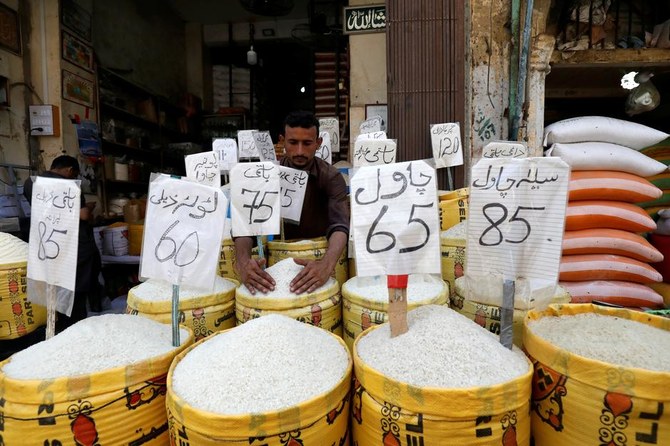
Inflation at its highest in more than five years has shocked many Pakistanis who voted for Khan and his promise to eradicate poverty, create jobs and build an Islamic welfare state.
The central bank forecasts growth at 3.5 to 4 percent in the 12 months to end-June, well short of a government target of 6.2 percent. The IMF paints a gloomier picture, predicting Pakistani growth of 2.9 percent in 2019 and 2.8 percent the following year.


![]()
![]()

IMF says has agreed to $6 billion deal with Pakistan to support growth

IMF says has agreed to $6 billion deal with Pakistan to support growth
- Package will support government’s ambitious macroeconomic, structural reform agenda for three years
- IMF says upcoming Pakistan budget will aim for primary deficit of 0.6 percent of GDP
Latest updates


Recommended


© 2026 SAUDI RESEARCH & PUBLISHING COMPANY, All Rights Reserved And subject to Terms of Use Agreement.