KARACHI: Improved facilitation for Pakistani workers through mobile banking could double the inflow of remittances coming into Pakistan through official channels from the Gulf countries, including Saudi Arabia and the UAE, according to economists.
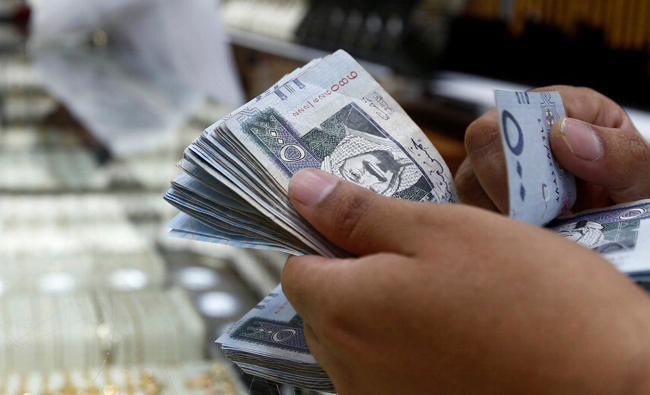
At $4.17 billion, money coming into Pakistan from workers in Saudi Arabia remains the dollar-starved country’s biggest source of remittances during the first ten months of the current fiscal year, according to State Bank of Pakistan (SBP) figures released on Friday. This totals 32 percent of Pakistan’s global remittances of $17.8 billion- an increase of almost 9% in total remittances from last year’s figures.
The hike in remittances is being attributed in part to the government’s measures to discourage the exchange of money through illegal channels and incentivize trade of currencies, but use of unofficial channels in Gulf countries is still considered by many to be the easier, and cheaper, option.
Dr. Athar Ahmed, senior economist and expert on international trade, who spoke to Arab News on Sunday said, “The same amount is sent home by expat Pakistanis through unofficial channels (as by official channels).”
The total contribution of Saudi Arabia, the UAE and Gulf Cooperation countries to Pakistan’s remittances for the current fiscal year is $9.68 billion, but this does not take into account the massive remittances coming in through hawala and hundi, unofficial money transferring channels that exist outside of traditional banking systems.
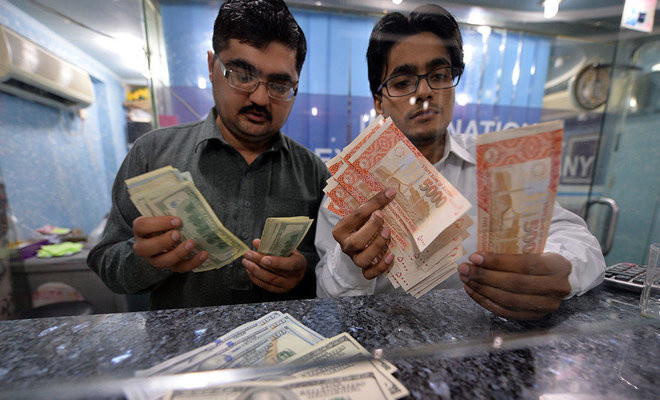
“The gulf region is very important for Pakistan and cannot be ignored,” professor Athar further said, and added that Pakistani banks functioning in those countries must activate mobile banking systems to facilitate quick and easy money transfers, and to discourage Pakistani expats from using alternative channels like hawala and hundi.
“The mobile banking units must be at the door steps on the day when big companies in Kingdom and UAE pay salaries to their workers,” he said.
But Pakistani workers in the Gulf say the money transferring process through banks is still tedious and problematic, with workers from various countries forced to queue up for hours just to send money home.
“To save time, mostly workers use the option of hundi which also offers comparatively better rates,” Muhammad Munir, a Pakistani worker in the UAE, told Arab News by telephone.
The problem does not end there, he said, with banks sitting on the transfers for days.
“Despite the online transfer of money to home, the concerned banks employ delaying tactics with those who come to receive the money (in Pakistan),” Munir said.
After trade, remittances play a key role in Pakistan’s current account deficit.
According to Pakistan’s central bank’s second quarterly report, “While the balance on trade in goods and services stagnated at last year’s level, the sharp increase in workers’ remittances was key in curtailing CAD which improved by 8.8 percent.”
Pakistan has set a $21.2 billion remittance target for the current fiscal year and the central bank projects between $20.5 billion to $21.5 billion coming in by June 30, 2019.


![]()
![]()
![]()
![]()

Mobile banking could double Pakistani remittances from Saudi Arabia, UAE


Mobile banking could double Pakistani remittances from Saudi Arabia, UAE
- Pakistani workers in Saudi Arabia remitted $4.17 billion in the first ten months of current fiscal year
- Remittances are slashed by almost half because of easier, cheaper options outside of traditional banking systems.
Latest updates


© 2026 SAUDI RESEARCH & PUBLISHING COMPANY, All Rights Reserved And subject to Terms of Use Agreement.