ISLAMABAD: Social media giant Facebook Inc. said on Friday it was “fully committed” to the safety of Pakistani users of its platforms and was taking steps to reduce misinformation about anti-polio campaigns as Pakistan makes a final push to eradicate the disease.
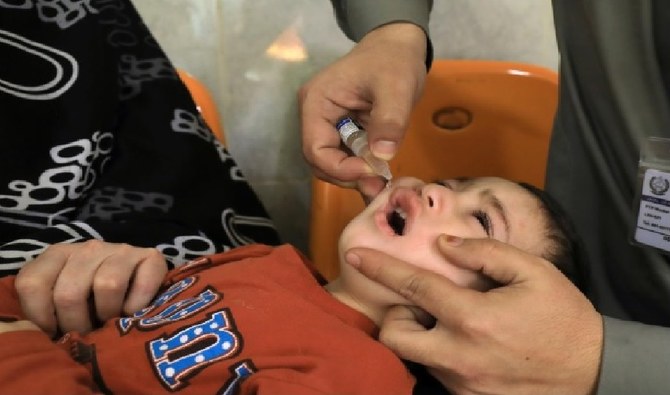
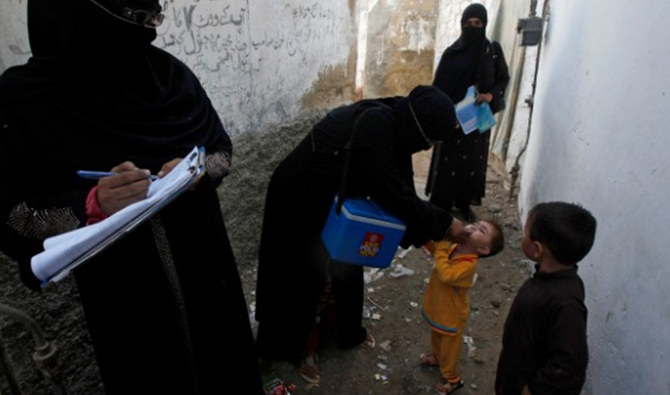
Along with Afghanistan and Nigeria, Pakistan is one of the only three countries where complete polio eradication has not yet been achieved, but case numbers are at the lowest level ever, with only 11 cases reported in 2019, compared to over 300 in 2014.
The country’s success follows an intense program based around vaccinating vulnerable children. But challenges, such as misinformation about polio vaccines on social media platforms like Facebook, are undermining the government’s efforts to fully eradicate the disease.
“We are fully committed to the safety of our community in Pakistan and take misinformation regarding vaccinations on our platform very seriously,” a Facebook spokesperson told Arab News. “We regularly review reports for vaccine misinformation, whether those reports come from our community or the government.”
Outlining steps to combat misinformation, the Facebook spokesperson said the company removed any content that violated Community Standards
“If we find that the content does indeed contain misinformation about vaccinations, we reduce its distribution by reducing the News Feed and Search ranking of the Group/Page that shared it and by making sure we are not recommending this content on Facebook nor Instagram,” the Facebook spokesperson said.
“We also rely on the work of leading global health organizations, such as the World Health Organization and the US Centers for Disease Control and Prevention, who have publicly identified verifiable vaccine hoaxes. We will continue to work with Pakistan’s government and world health organizations on this important issue,” the spokesperson added.
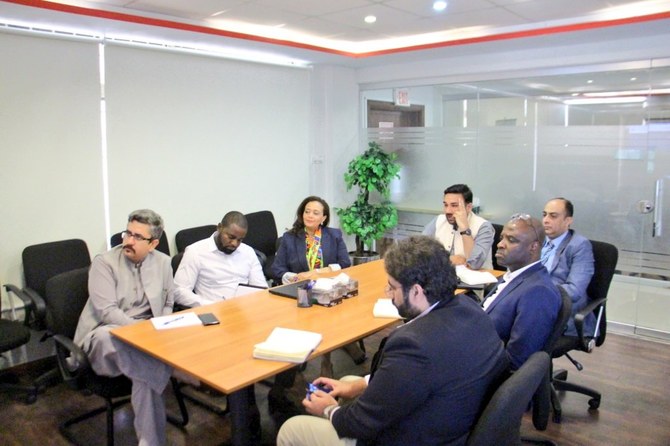
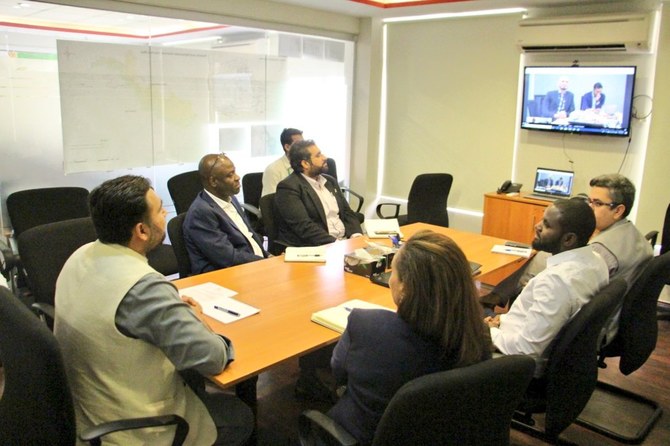
Babar bin Atta, the Prime Minister’s Focal Person on Polio, told Arab News on Thursday that Facebook’s global regulatory and content management team had assured Pakistan of their cooperation in its fight against polio during a video conference in which the country heads of the World Health Organization and the United Nations Children’s Fund were also present.
“Facebook is ready to remove propaganda material including pages as per their rules and policy guidelines,” Atta said in an interview. “Very encouraging to see how Facebook is taking the subject of polio eradication so seriously.”
According to Facebook, the company has recently been working to reduce organic distribution on vaccine misinformation content and to substantially lower the distribution of Groups or Pages on Facebook that propagate misinformation.
This includes working to remove offending Groups and Pages from recommendation surfaces on the platform (such as “Groups You Should Join”) and from predictions for when users type into search, a Facebook official who declined to be named said. It also involves implementing changes so that Facebook doesn’t show or recommend content that contains misinformation about vaccinations on Instagram Explore or hashtag pages. Content from the offending Groups and Pages is also demoted in News Feed, using ranking systems and the Groups and Pages themselves are also reduced in search results.
The Facebook source also said the company was taking taking additional steps to address hoaxes related to vaccines in advertising, investing in systems to better ensure that ads that include misinformation about vaccines are rejected. The company is also removing a number of ad targeting options, such as “vaccine controversies,” that might have been used to help spread misinformation, the official said.


![]()
![]()
![]()
![]()
![]()
![]()

Facebook says ‘fully committed’ to curbing anti-polio misinformation in Pakistan


Facebook says ‘fully committed’ to curbing anti-polio misinformation in Pakistan
- Spokesperson says Facebook takes misinformation regarding vaccinations “very seriously”
- Pakistan is one of the only three countries where complete polio eradication has not yet been achieved
Latest updates


Recommended


© 2026 SAUDI RESEARCH & PUBLISHING COMPANY, All Rights Reserved And subject to Terms of Use Agreement.