WELLINGTON: New Zealand’s major media outlets vowed Wednesday to prevent the man charged with the Christchurch mosque shooting from using his trial as a platform for extremist propaganda.
Australian Brenton Tarrant is accused of shooting dead 50 people and injuring another 39 in March 15 attacks on two mosques where worshippers were gathered for Friday prayers.
The self-avowed white supremacist targeted Muslims and posted a rambling “manifesto” online before the attack detailing his extremist beliefs.
The New Zealand Media Freedom Committee, which represents the country’s five largest news outlets, said the accused “may attempt to use the trial as a platform to amplify white supremacist and/or terrorist ideology.”
It said editors had agreed to a set of guidelines to prevent this happening at the trial, the date of which is yet to be set.
Among the measures, they pledged to “limit any coverage of statements that actively champion white supremacist or terrorist ideology, including the alleged gunman’s manifesto.”
They will also avoid reporting on or broadcasting “any message, imagery, symbols or signals” by the accused or his associates that promote extremism.
Tarrant, 28, is currently being held in a maximum security prison in Auckland and undergoing psychiatric tests to determine if he is mentally fit to stand trial.
His next scheduled court appearance is on June 14.
The New Zealand government has barred downloads of Tarrant’s manifesto and the livestream footage he posted of the attacks, although local media voluntarily avoided them before the ban anyway.
However, despite their best intentions not to spread extremist content, some New Zealand media outlets have been criticized over some Christchurch-related stories.
A provocative tweet from British right-winger Katie Hopkins about Prime Minister Jacinda Ardern received extensive coverage last week, prompting national broadcaster RNZ to comment: “Don’t feed the troll.”


![]()

New Zealand media set rules for mosque shooting trial
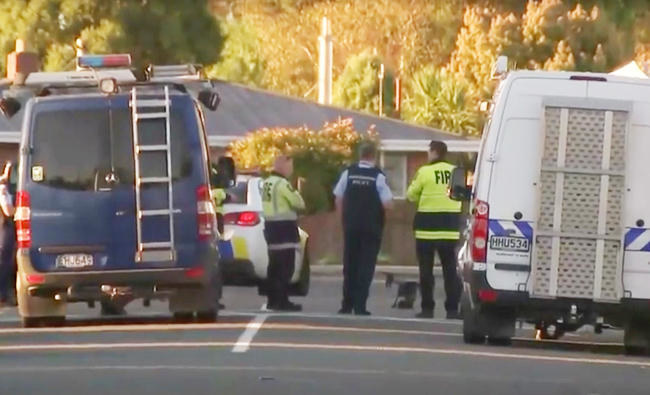
New Zealand media set rules for mosque shooting trial
- Tarrant, 28, is currently being held in a maximum security prison in Auckland and undergoing psychiatric tests to determine if he is mentally fit to stand trial

Latest updates






© 2026 SAUDI RESEARCH & PUBLISHING COMPANY, All Rights Reserved And subject to Terms of Use Agreement.