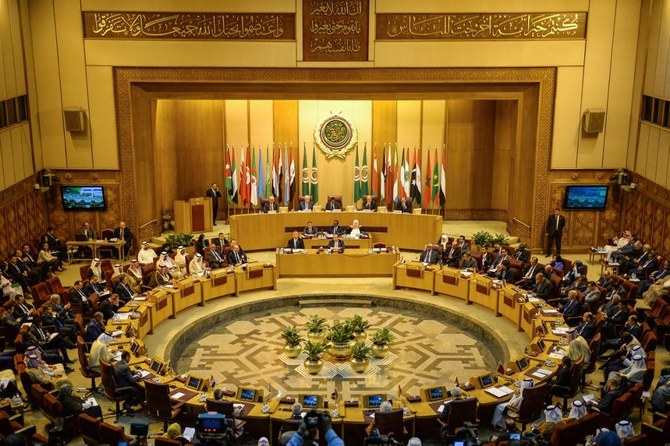
CAIRO: The Arab League has pledged to pay $100 million a month to the Palestinian Authority to plug the gap left when Israel blocked tax transfers earlier in the year.
“We confirm that Arab countries will support the Palestinian state’s budget... (to) resist the political and financial pressure it faces,” the League said Sunday following a meeting in Cairo.
Israel collects taxes on behalf of the PA, but withheld $138 million in transfers in February over Palestinian payments to political prisoners jailed for attacks against Israelis.
The Arab League’s move comes as the Trump administration prepares to unveil a much-touted “Deal of the Century” for peace between the Palestinians and Israel in the coming months.
The Palestinian leadership, which has boycotted Washington over a series of moves including recognizing the bitterly disputed city of Jerusalem as capital of Israel, says it can no longer trust the United States as a broker.
The Arab League said the deal “will not succeed in achieving long-lasting and comprehensive peace in the Middle East.”
The peace plan is being developed by Trump’s son-in-law Jared Kushner, whose close ties to right-wing Israeli Prime Minister Benjamin Netanyahu have heightened Palestinian suspicions.
Israel seized the West Bank, Gaza Strip and east Jerusalem in the 1967 Arab-Israeli war.


![]()

Arab League pledges $100 million to Palestinians, rejects Trump’s ‘deal’
Arab League pledges $100 million to Palestinians, rejects Trump’s ‘deal’
- Israel withheld the money over Palestinian payments to political prisoners
- Palestinian leadership boycotted Washington after they recognized Jerusalem as the capital of Israel


Latest updates





© 2026 SAUDI RESEARCH & PUBLISHING COMPANY, All Rights Reserved And subject to Terms of Use Agreement.