CAIRO: An Egyptian official says his Red Sea province will impose a ban on disposable plastics, prohibiting everything from single use straws to plastic bags in an effort to fight pollution.
Ahmed Abdallah, governor of Hurghada province, said late on Monday the ban will go into effect from June.
He says it was proposed by the Hurghada Environmental Protection & Conservation Association to protect province's "threatened and endangered species."
The ban will apply to restaurants, supermarkets, grocery stores and pharmacies. Plastic forks and knives, cups and dishes will be among banned items.
The Red Sea resort of Hurghada, the province's capital, is a major tourist destination.
In 2017, Egypt launched an EU-funded initiative to encourage people to limit their use of plastic bags. The country produces 970,000 tons of plastic waste.

Egyptian Red Sea province to ban single use plastics
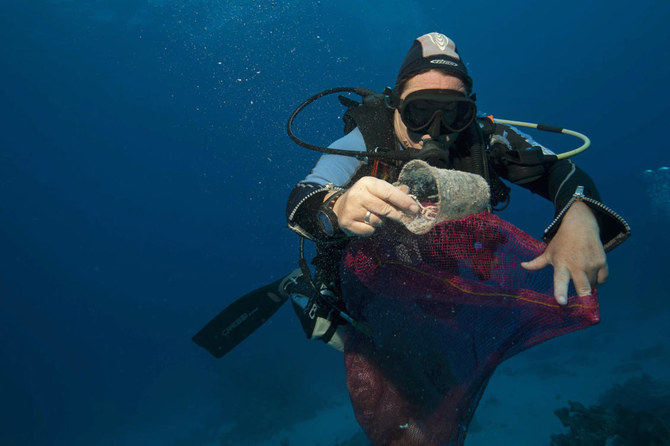
- Ahmed Abdallah, governor of Hurghada province, said late on Monday the ban will go into effect from June
US sanctions Larijani and other Iranian officials over protest crackdown
WASHINGTON: The United States imposed sanctions Thursday on Iranian security officials and financial networks, accusing them of orchestrating a violent crackdown on peaceful protests and laundering billions in oil revenues.
Treasury Secretary Scott Bessent announced the measures in the wake of the biggest anti-government protests in the history of the Islamic republic, although the demonstrations appear to have diminished over the last few days in the face of repression and an almost week-long Internet blackout.
“The United States stands firmly behind the Iranian people in their call for freedom and justice,” Treasury Secretary Scott Bessent said in a statement, adding that the action was taken at President Donald Trump’s direction.
Among those sanctioned is Ali Larijani, secretary of Iran’s Supreme Council for National Security, whom Washington accused of coordinating the crackdown and calling for force against protesters.
Four regional commanders of Iran’s Law Enforcement Forces and Revolutionary Guard were also sanctioned for their roles in the crackdown in Lorestan and Fars provinces.
Security forces in Fars “have killed countless peaceful demonstrators” with hospitals “so inundated with gunshot wound patients that no other types of patients can be admitted,” the Treasury said.
The Treasury additionally designated 18 individuals and entities accused of operating “shadow banking” networks that launder proceeds from Iranian oil sales through front companies in the UAE, Singapore and Britain.
These networks funnel billions of dollars annually using cover companies and exchange houses, as Iranian citizens face economic hardship, according to the Treasury.
The sanctions freeze any US assets of those designated and prohibit Americans from doing business with them. Foreign financial institutions risk secondary sanctions for transactions with the designated entities.
The action builds on the Trump administration’s “maximum pressure” campaign against Iran. In 2025, the Treasury sanctioned more than 875 persons, vessels and aircraft as part of this effort, it said.
Treasury Secretary Scott Bessent announced the measures in the wake of the biggest anti-government protests in the history of the Islamic republic, although the demonstrations appear to have diminished over the last few days in the face of repression and an almost week-long Internet blackout.
“The United States stands firmly behind the Iranian people in their call for freedom and justice,” Treasury Secretary Scott Bessent said in a statement, adding that the action was taken at President Donald Trump’s direction.
Among those sanctioned is Ali Larijani, secretary of Iran’s Supreme Council for National Security, whom Washington accused of coordinating the crackdown and calling for force against protesters.
Four regional commanders of Iran’s Law Enforcement Forces and Revolutionary Guard were also sanctioned for their roles in the crackdown in Lorestan and Fars provinces.
Security forces in Fars “have killed countless peaceful demonstrators” with hospitals “so inundated with gunshot wound patients that no other types of patients can be admitted,” the Treasury said.
The Treasury additionally designated 18 individuals and entities accused of operating “shadow banking” networks that launder proceeds from Iranian oil sales through front companies in the UAE, Singapore and Britain.
These networks funnel billions of dollars annually using cover companies and exchange houses, as Iranian citizens face economic hardship, according to the Treasury.
The sanctions freeze any US assets of those designated and prohibit Americans from doing business with them. Foreign financial institutions risk secondary sanctions for transactions with the designated entities.
The action builds on the Trump administration’s “maximum pressure” campaign against Iran. In 2025, the Treasury sanctioned more than 875 persons, vessels and aircraft as part of this effort, it said.
© 2026 SAUDI RESEARCH & PUBLISHING COMPANY, All Rights Reserved And subject to Terms of Use Agreement.


