NEW YORK: Boeing’s MCAS anti-stall system, which was implicated in the October crash of a 737 MAX 8 in Indonesia, was also activated shortly before a recent accident in Ethiopia, a source with knowledge of the investigation said Friday.
The information is part of preliminary findings from the analysis of black boxes from Ethiopian Airlines flight 302, which crashed south-east of Addis Ababa killing 157 people on March 10, the source told AFP on condition of anonymity.
The information was presented Thursday to US authorities, including the Federal Aviation Administration (FAA), the source said.
However, the source said the investigation is still underway and officials may still find another culprit in the tragedy.
The information was first reported by The Wall Street Journal.
Boeing and the FAA declined to comment to AFP.
It was yet another blow to the aviation giant, which just this week unveiled a fix to the Maneuvering Characteristics Augmentation System (MCAS).
It has tried to restore its battered reputation, even while continuing to insist that the MAX is safe.
The MCAS, which lowers the aircraft’s nose if it detects a stall or loss of airspeed, was developed specifically for the 737 MAX, which has heavier engines than its predecessor.
The initial investigation into the October Lion Air crash in Indonesia, which killed all 189 people on board, found that one of the “angle of attack” sensors failed but continued to transmit erroneous information to the MCAS.
The pilot tried repeatedly to regain control and pull the nose up, but the plane crashed into the ocean.
The flight track of the doomed Ethiopia Airlines flight, which also crashed minutes after takeoff, “was very similar to Lion Air (indicating) there was very possibly a link between the two flights,” FAA acting chief Daniel Elwell told Congress this week.
The FAA grounded the MAX fleet worldwide, but not until two days after most countries had done so.

Boeing MCAS anti-stall system was activated in Ethiopia 737 MAX crash
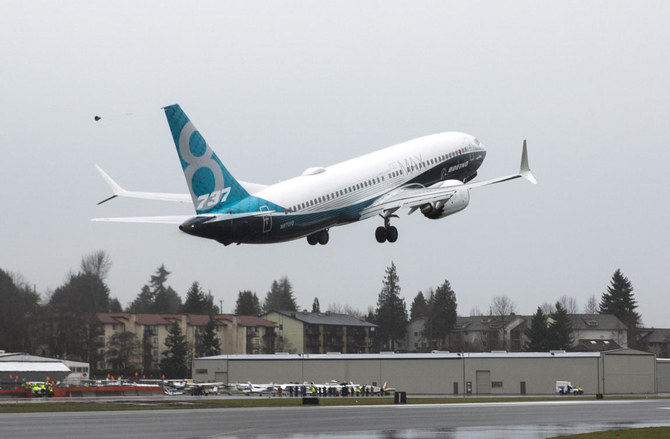
- Information is part of preliminary findings from the analysis of black boxes from Ethiopian Airlines flight 302
Australia to ban citizen from returning to country under rarely-used terror laws
- They were briefly freed on Monday before being turned back by Damascus for holding inadequate paperwork
SYDNEY: Australia said on Wednesday it would temporarily ban one of its citizens held in a Syrian camp from returning to the country, under rarely-used powers aimed at preventing terror activity.
Thirty-four Australians in a northern Syrian facility holding families of suspected Daesh militants are expected to return home after their release was conditionally approved by camp authorities.
They were briefly freed on Monday before being turned back by Damascus for holding inadequate paperwork.
Australia has already said it would not provide any assistance to those held in the camp, and is investigating whether any individuals posed a threat to national security.
“I can confirm that one individual in this cohort has been issued a temporary exclusion order, which was made on advice from security agencies,” Home Affairs Minister Tony Burke said in a statement on Wednesday.
Security agencies have not yet advised that other members of the group meet the legal threshold for a similar ban, he added.
Introduced in 2019, the legislation allows for bans of up to two years for Australian citizens over the age of 14 that the government believes are a security risk.
Prime Minister Anthony Albanese said on Wednesday some members of the cohort, that includes children, had aligned themselves with a “brutal, reactionary ideology and that seeks to undermine and destroy our way of life.”
“It’s unfortunate that children are caught up in this, that’s not their decision, but it’s the decision of their parents or their mother,” he added.
News of the families’ possible return has caused controversy in Australia, where support for the right-wing, anti-immigration One Nation party has surged in recent months.
A poll this week found One Nation’s share of the popular vote at a record high of 26 percent, above the combined support for the traditional center-right coalition currently in opposition.
Thirty-four Australians in a northern Syrian facility holding families of suspected Daesh militants are expected to return home after their release was conditionally approved by camp authorities.
They were briefly freed on Monday before being turned back by Damascus for holding inadequate paperwork.
Australia has already said it would not provide any assistance to those held in the camp, and is investigating whether any individuals posed a threat to national security.
“I can confirm that one individual in this cohort has been issued a temporary exclusion order, which was made on advice from security agencies,” Home Affairs Minister Tony Burke said in a statement on Wednesday.
Security agencies have not yet advised that other members of the group meet the legal threshold for a similar ban, he added.
Introduced in 2019, the legislation allows for bans of up to two years for Australian citizens over the age of 14 that the government believes are a security risk.
Prime Minister Anthony Albanese said on Wednesday some members of the cohort, that includes children, had aligned themselves with a “brutal, reactionary ideology and that seeks to undermine and destroy our way of life.”
“It’s unfortunate that children are caught up in this, that’s not their decision, but it’s the decision of their parents or their mother,” he added.
News of the families’ possible return has caused controversy in Australia, where support for the right-wing, anti-immigration One Nation party has surged in recent months.
A poll this week found One Nation’s share of the popular vote at a record high of 26 percent, above the combined support for the traditional center-right coalition currently in opposition.
© 2026 SAUDI RESEARCH & PUBLISHING COMPANY, All Rights Reserved And subject to Terms of Use Agreement.


