LONDON: Britain wants offshore wind farms to provide one third of the country’s electricity by 2030, the government announced Thursday, at a time when its nuclear energy ambitions are stumbling.
Working with the private sector to take advantage of the island nation’s surrounding waters to power homes and businesses with increasing amounts of renewable energy, the government said the Offshore Wind Sector Deal will slash the UK’s reliance on fossil fuels.
Offshore wind currently provides about seven percent of British electricity.
The new initiative “will drive a surge in the clean, green offshore wind revolution ... bringing investment into coastal communities and ensuring we maintain our position as global leaders in this growing sector,” Claire Perry, Britain’s energy and clean growth minister, said in a statement.
“By 2030 a third of our electricity will come from offshore wind, generating thousands of high-quality jobs across the UK,” she added.
The government said that the deal “will mean for the first time in UK history there will be more electricity from renewables than fossil fuels, with 70 percent of British electricity predicted to be from low carbon sources by 2030.”
Additionally, it “will look to seize on the opportunities presented by the UK’s 7,000 miles of coastline, as the industry continues to be a coastal catalyst for many of the UK’s former fishing villages and ports,” the government statement said.
Thursday’s announcement came after Japanese giant Hitachi in January froze construction of a nuclear power station in Wales owing to financing difficulties, dealing a major blow to Britain’s low-carbon energy strategy.
Britain has put nuclear power also at the heart of its low-carbon energy policy, in contrast to Europe’s biggest economy Germany, which is phasing it out in the wake of Japan’s 2011 Fukushima nuclear disaster.


![]()

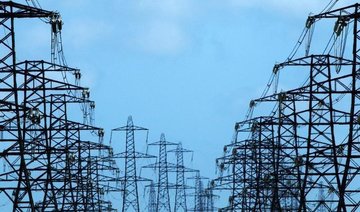
UK targets surge in offshore wind power
UK targets surge in offshore wind power
- Offshore wind currently provides about seven percent of British electricity
- Britain has put nuclear power also at the heart of its low-carbon energy policy

Latest updates


© 2026 SAUDI RESEARCH & PUBLISHING COMPANY, All Rights Reserved And subject to Terms of Use Agreement.