

Pompeo says US to withdraw from INF missile treaty with Russia

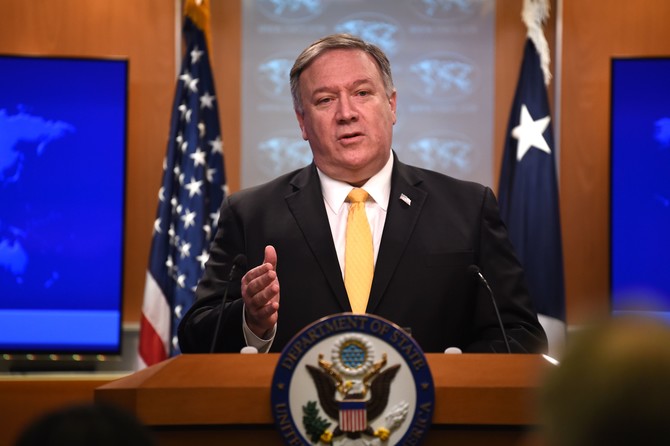
Secretary of State Mike Pompeo has announced that the US wil be pulling out of a nuclear treaty with Russia. (AFP)
Updated 01 February 2019
Follow

Pompeo says US to withdraw from INF missile treaty with Russia

WASHINGTON: Secretary of State Mike Pompeo has announced that the US wil be pulling out of a nuclear treaty with Russia that has been a centerpiece of arms control since the Cold War.
The withdrawal had been expected for months and it follows years of unresolved dispute over Russian compliance with the 1987 pact, which bans certain ground-launched cruise missiles. Russia denies violating the treaty.
Pompeo says the US will suspend its obligations to the treaty on Saturday. Pompeo says that if Russia does not come into compliance, the treaty "will terminate."
US officials also have expressed concern that China, which is not part of the treaty, is deploying large numbers of missiles in Asia that the US cannot counter because it's bound by the treaty.

(With agencies)


Army chief says Switzerland can’t defend itself from full-scale attack

Updated 2 sec ago
Follow

Army chief says Switzerland can’t defend itself from full-scale attack

ZURICH: Switzerland cannot defend itself against a full-scale attack and must boost military spending given rising risks from Russia, the head of ​its armed forces said.
The country is prepared for attacks by “non-state actors” on critical infrastructure and for cyberattacks, but its military still faces major equipment gaps, Thomas Suessli told the NZZ newspaper.
“What we cannot do is defend against threats from a distance or even a full-scale ‌attack on ‌our country,” said Suessli, who is ‌stepping ⁠down ​at ‌the end of the year.
“It’s burdensome to know that in a real emergency, only a third of all soldiers would be fully equipped,” he said in an interview published on Saturday.
Switzerland is increasing defense spending, modernizing artillery and ground systems ⁠and replacing aging fighter jets with Lockheed Martin F-35As.
But the ‌plan faces cost overruns, while ‍critics question spending on artillery ‍and munitions amid tight federal finances.
Suessli said ‍attitudes toward the military had not shifted despite the war in Ukraine and Russian efforts to destabilize Europe.
He blamed Switzerland’s distance from the conflict, its lack of ​recent war experience and the false belief that neutrality offered protection.
“But that’s historically ⁠inaccurate. There are several neutral countries that were unarmed and were drawn into war. Neutrality only has value if it can be defended with weapons,” he said.
Switzerland has pledged to gradually raise defense spending to about 1 percent of GDP by around 2032, up from roughly 0.7 percent now – far below the 5 percent level agreed by NATO countries.
At that pace, the Swiss military would only be ‌fully ready by around 2050.
“That is too long given the threat,” Suessli said.