

The Six: Spoken word scene in the UAE

Spoken word forums. (Shutterstock)
Updated 10 January 2019
Follow

The Six: Spoken word scene in the UAE

DUBAI: Spoken word has been gaining traction in the UAE, with more and more “open mic” events being hosted in different venues across the country. Some are attended by a big crowd; others are more intimate. Here is a selection.

Punch Poetry
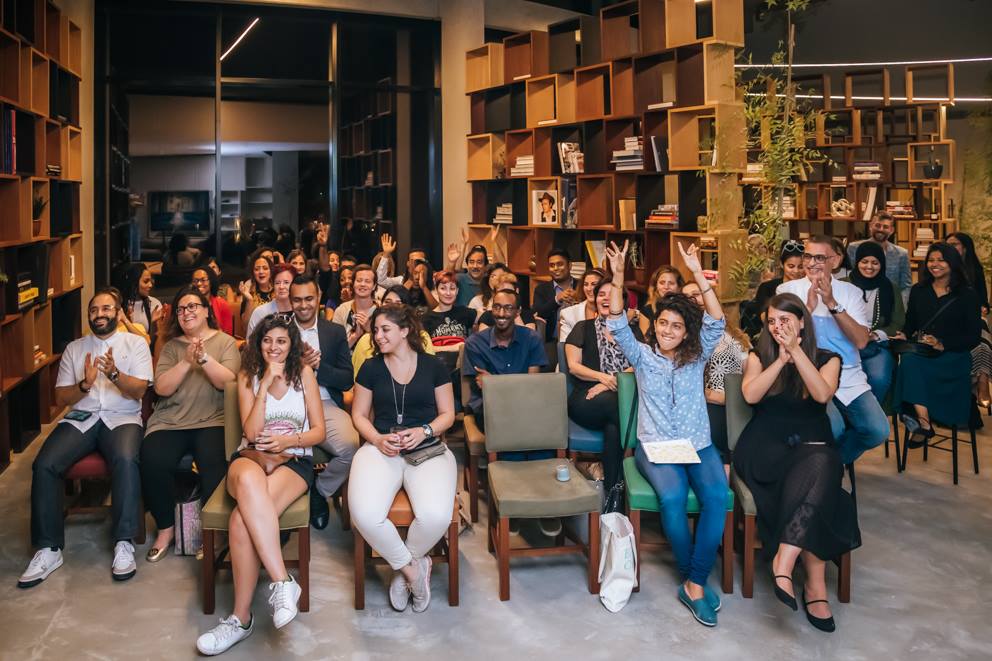
Founded by award-winning Lebanese poet Zeina Hashem Beck, this open-mic night in Dubai started in 2013, the same year Beck won a Backwaters Prize for her “To Live in Autumn” poetry collection about Beirut.
Rooftop Rhythms
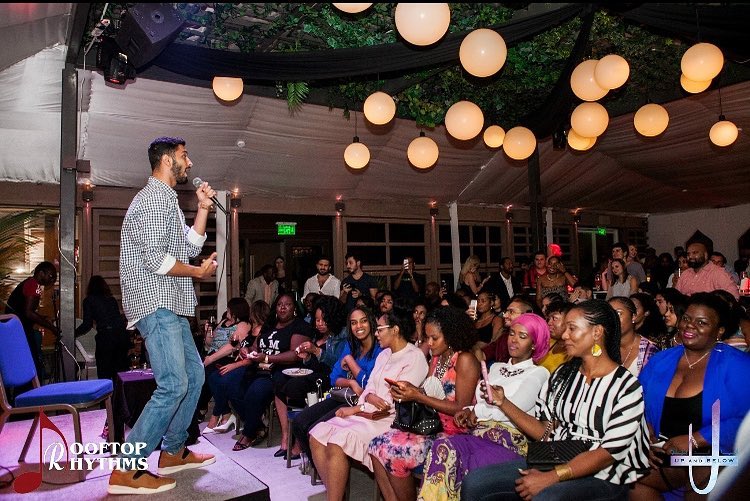
One of the more popular groups, Rooftop Rhythms is based in Abu Dhabi, and was founded by poet and educator Dorian Paul Rogers. It promotes community-based arts and culture through its regular gatherings.
Blank Space
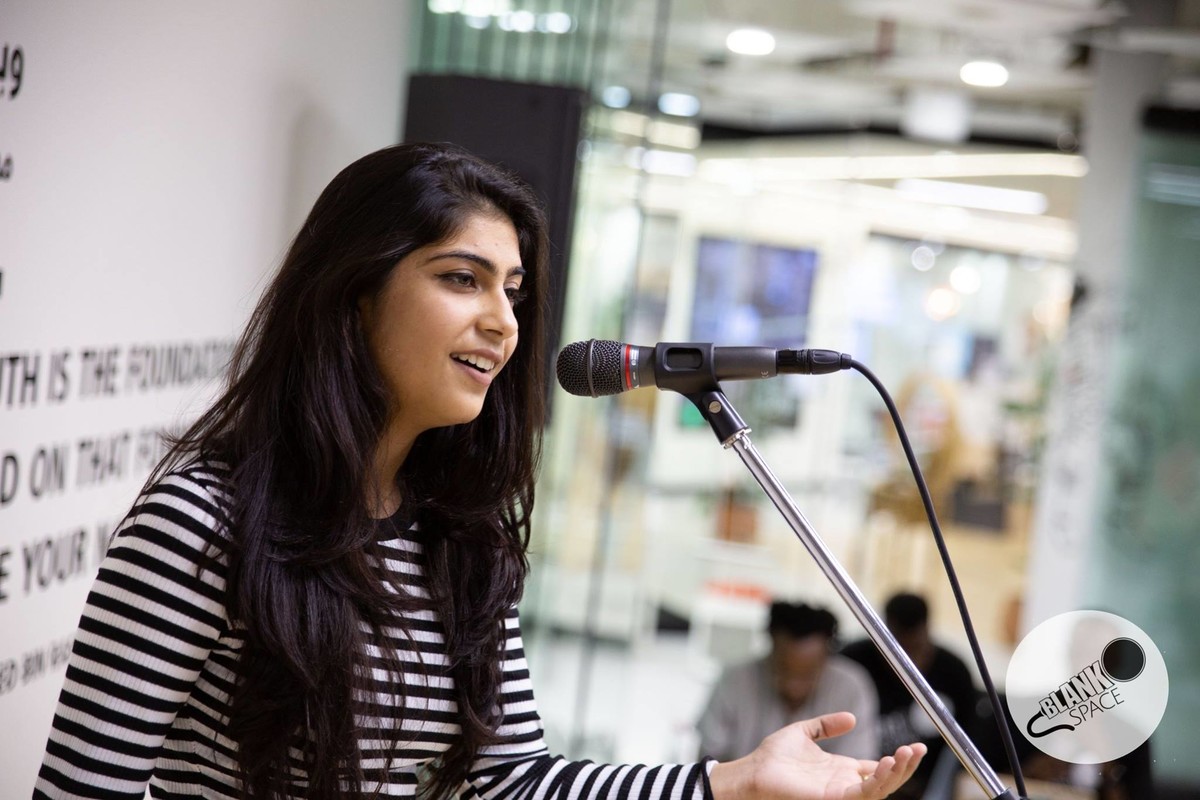
This open-mic platform in Dubai is hosted monthly at the Book Munch Cafe in one of the city’s busiest business districts. It attracts more than 120 people in an intimate creative gathering, where 25 people usually take the stage.
Dubai Poetics
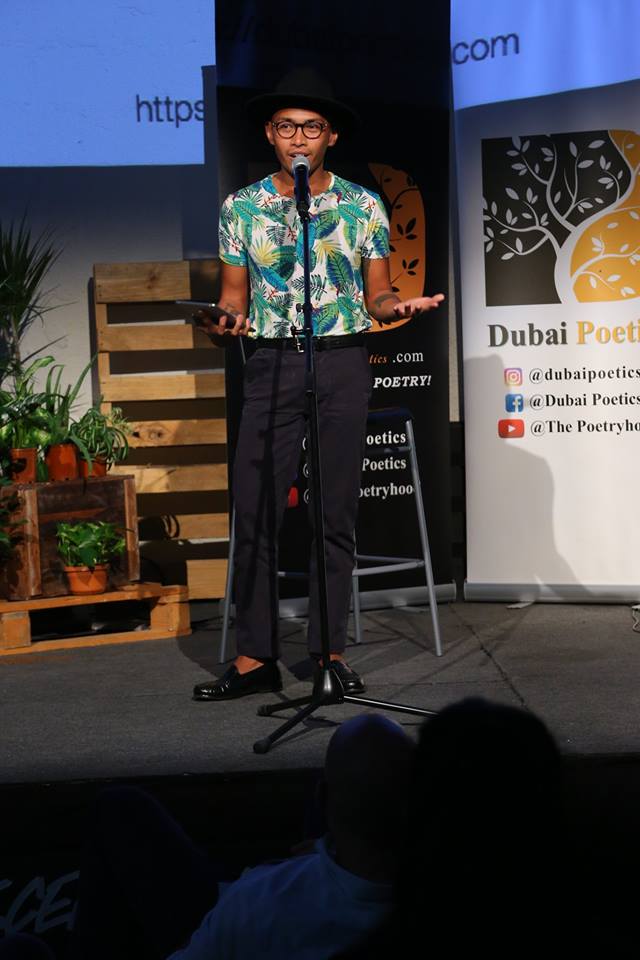
This group focuses on empowering grassroots poetry and visual art through encouraging local artists to submit their works. It publishes curated art pieces online, which attract audiences across the region.
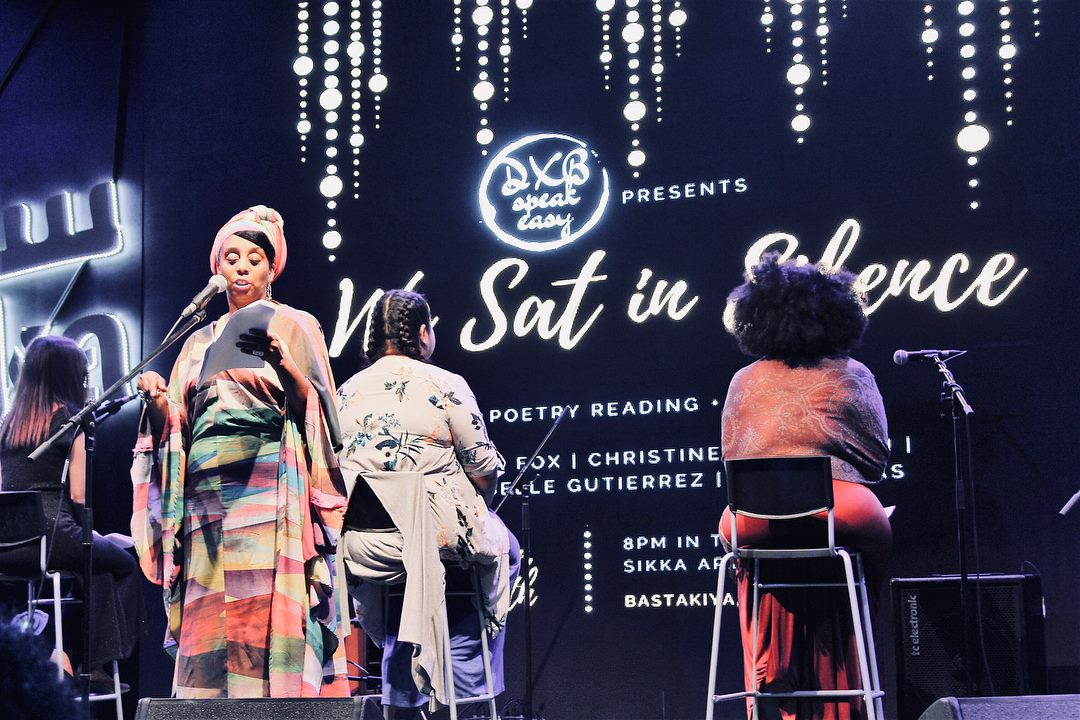
DXB Speakeasy
This was born out of the passion of three spoken-word artists, who teamed up to establish a poetry platform that promotes both writing and performing poems. Workshops are under way for artists who want to learn more about the craft.
Echoes
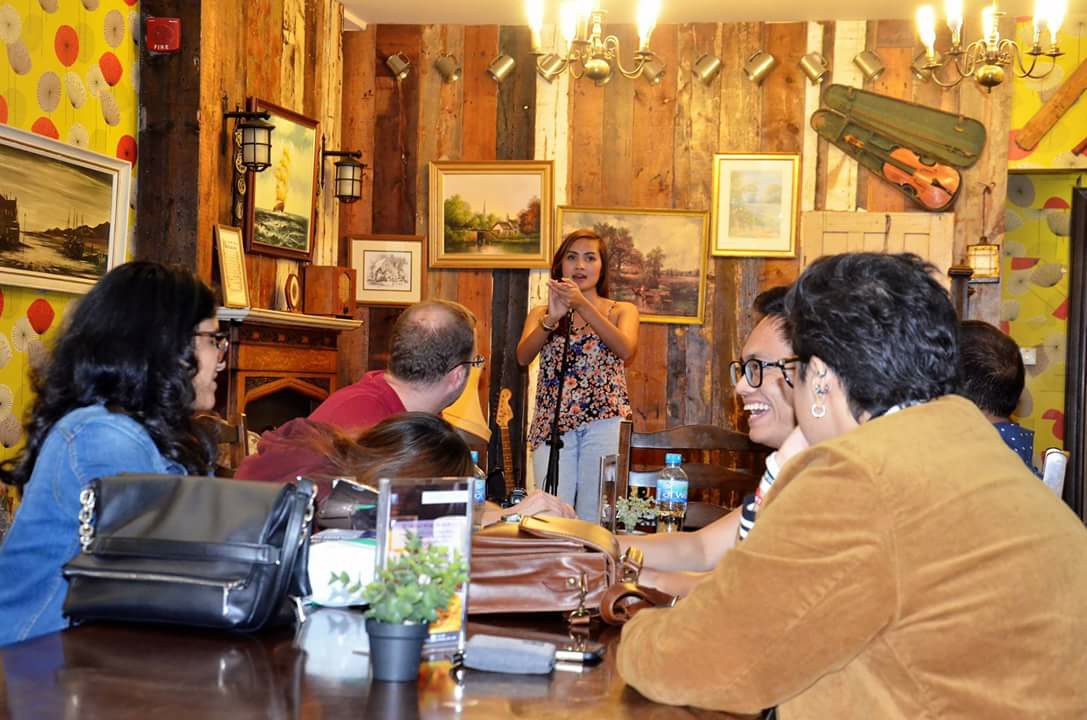
Based in Abu Dhabi, Echoes hosts open mics at Shabby Chic, a local cafe in the UAE capital. Its goal is to “give voices” to new and budding talents, not only in poetry, but also in music.


Berlinale responds to backlash over Gaza-related comments

Updated 16 February 2026
Follow

Berlinale responds to backlash over Gaza-related comments

The Berlin International Film Festival has issued a statement after what organisers described as a growing “media storm” linked to comments about the war in Gaza and the broader role of politics in cinema.

Festival director Tricia Tuttle released a lengthy note late Saturday following criticism directed at several high-profile guests. The controversy began during the opening day press conference when jury president Wim Wenders was asked about the conflict in Gaza. He responded: “We have to stay out of politics because if we make movies that are dedicatedly political, we enter the field of politics,” a remark that sparked swift backlash online.

Indian author Arundhati Roy later withdrew from the festival, reportedly angered by the remarks.

Other prominent figures, including Michelle Yeoh and Neil Patrick Harris, also faced online criticism after responding cautiously to questions about politics. Harris stated that he was interested in “doing things that were ‘apolitical,’” a comment that further fuelled debate.

In her statement, Tuttle defended the festival and its participants, stressing the importance of artistic freedom. “People have called for free speech at the Berlinale. Free speech is happening at the Berlinale. But increasingly, filmmakers are expected to answer any question put to them. They are criticised if they do not answer. They are criticised if they answer and we do not like what they say. They are criticised if they cannot compress complex thoughts into a brief sound bite when a microphone is placed in front of them when they thought they were speaking about something else,” she said.

She added: “It is hard to see the Berlinale and so many hundreds of filmmakers and people who work on this festival distilled into something we do not always recognise in the online and media discourse… It is a large, complex festival.”

“Artists are free to exercise their right of free speech in whatever way they choose… nor should they be expected to speak on every political issue raised to them unless they want to,” Tuttle said.