PESHAWAR: To curb the spread of AIDs and HIV cases in Pakistan’s northwestern tribal districts, the government has launched three diagnostic and treatment centers in the areas, officials told Arab News on Wednesday.
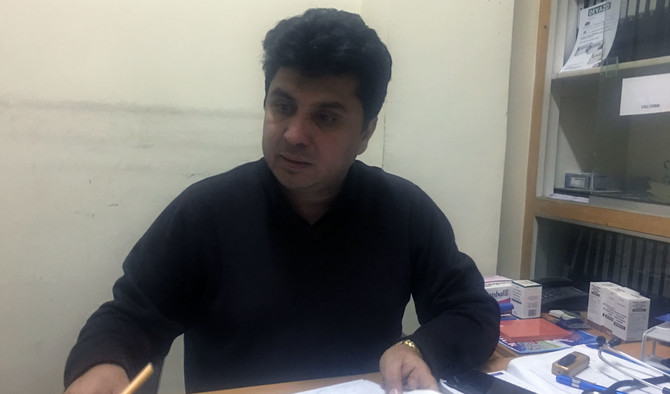
“We have set up treatment and diagnostic centers in Kohat, South Waziristan and Kurram districts. The FACP [FATA AIDS Control Program] has already established screening centers in all seven tribal districts and six Frontier Regions. The authorities are also providing free medicines to control the HIV virus,” Durkhanay Wali, project manager of the FACP, said.
According to a survey conducted by the National AIDS Control Program (NACP) in various parts of the country, there has been an alarming increase in the number of HIV cases in Pakistan. The survey also identified a lack of national coordination and data analysis – along with the non-availability of national guidance and monitoring – as some of the variables preventing progress in the area.
Dr. Baseer Khan Achakzai, who works with the NACP, told Arab News that the government had approved Rs4.8 billion to control the spread of the HIV virus in the country. He added that the allocated budget was distributed “as per the population of different provinces and their estimated number of HIV positive cases”. Due to the alarming increase in the number of HIV cases, he added, Khyber Pakhtunkhwa’s HIV budget had been more than doubled this year compared to the funds allocated last year.
Apart from the government’s money, an international humanitarian organization named Global Fund has also allocated $17.4 million for the period 2018-20 to prevent and fight the disease. According to the NACP, the estimated number of HIV cases in the country is more than 120,000.
However, there is a social stigma associated with the disease which prevents many people from sharing their condition with anyone, Dr. Niaz Ali, who works at the Hayatabad Medical Center (HMC) in Peshawar, said.
“In conservative areas of Pakistan, people don’t discuss HIV/AIDS since they believe it is caused by sexual delinquency which is a totally wrong perception,” he said. In other words, the number of reported HIV cases could be far less than the real figure.
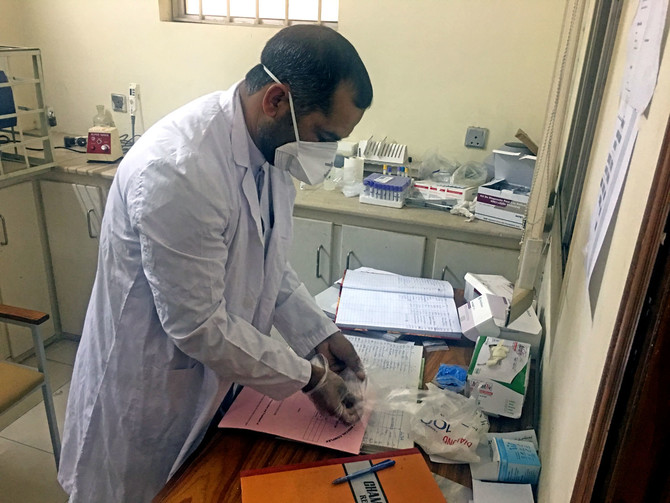
With the help of international humanitarian organizations, such as the UNICEF and UNAIDS, the HMC established a Family Care Center – also known as the HIV/Aids facilitation and diagnostic center – in 2005. The center provides free psychological and medical assistance to HIV patients.
“More than 3,500 people were registered with the Family Health Center at the HMC, but this number goes up to 4,622 when we include all the individuals who have registered with other screening centers as well,” he said, adding that “thousands of people in Khyber Pakhtunkhwa, who have been affected by the virus, spread it further due to their ignorance.”
Psychologist Nosheen Jaffar who works at the HMC told Arab News that her job responsibility was the toughest. “People have a zero understanding of HIV/AIDS here,” she said. “Pakistani society is conservative in its outlook, and that further compounds the problem. That’s why the pre- and post-test counseling is an absolute must for all patients.”
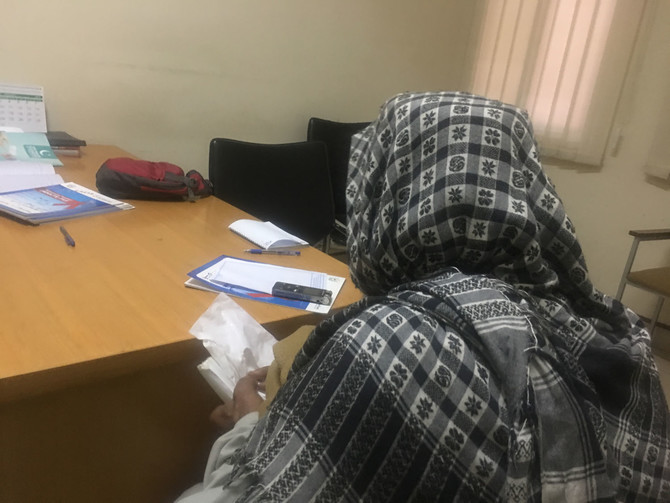
Saeed Gul, a 63-year-old resident of Swat who has been HIV positive for the past 13 years, has benefited from a similar service. “Initially, I wanted to commit suicide,” he said. “But after my counseling sessions, I realized that I could fight the virus.”
The FACP has also been running awareness campaigns across the tribal belt. “Our colleagues try to encourage people not to stigmatize this disease,” Wali said.


![]()
![]()
![]()
![]()
![]()

HIV treatment centers launched in Pakistan’s tribal districts

HIV treatment centers launched in Pakistan’s tribal districts
- Medical condition is on the rise in the country, experts say
- Ignorance, social stigma major causes for the spread of the disease
Latest updates


© 2026 SAUDI RESEARCH & PUBLISHING COMPANY, All Rights Reserved And subject to Terms of Use Agreement.