ISLAMABAD: Sticking true to one of several promises made by him after being elected to Pakistan’s top office, Prime Minister Imran Khan on Friday inaugurated the Islamabad National University which was earlier known as the Prime Minister’s House.
The formal announcement was made by the premier at a special ceremony which was titled “Emerging Challenges and Opportunities for Pakistan” where PM Khan assured the audience members that the university would be a center of excellence.
The ministry in charge of the initiative has yet to share details of the project, even as reports stated that a committee is evaluating the draft charter for the university.
PM Khan had earlier approved the establishment of the Institute of Advanced Studies in the first phase of the university. The move is part of an austerity drive implemented by the premier and one of several pledges made by him to cut down on the expenditure of his cash-strapped government at all levels.
Since assuming office in August this year, PM Khan has opted to reside in a modest, three-bedroom villa which belongs to his military secretary and is located inside the sprawling compound of the Prime Minister’s House.

PM House converted into Islamabad National University
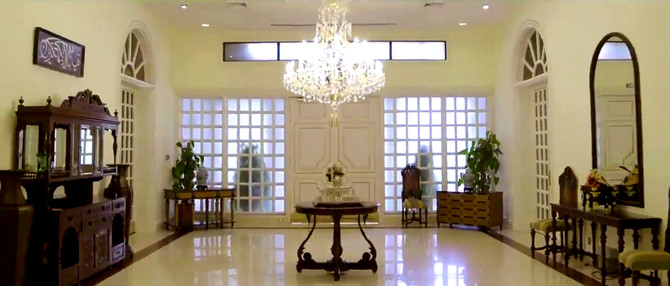
- Converts official building into universiry as part of his austerity drive
- Measure was one of several promises made by him after being elected to office
Rating firm S&P says it won’t rush Iran war downgrades, sees risks for countries like Pakistan
- Agency says it is monitoring indebted energy importers as higher oil prices strain finances
- Gulf economies seen better placed to weather shock, though Bahrain flagged as vulnerable
LONDON: S&P Global said it would not make any knee-jerk sovereign rating cuts following the outbreak of war in the Middle East, but warned on Thursday that soaring oil and gas prices were putting a number of already cash-strapped countries at risk.
The firm’s top analysts said in a webinar that the conflict, which has involved US and Israeli strikes against Iran and Iranian strikes against Israel, US bases and Gulf states, was now moving from a low- to moderate-risk scenario.
Most Gulf countries had enough fiscal buffers, however, to weather the crisis for a while, with more lowly rated Bahrain the only clear exception.
Qatar’s banking sector could also struggle if there were significant deposit outflows in reaction to the conflict, although there was no evidence of such strains at the moment, they said.
“We don’t want to jump the gun and just say things are bad,” S&P’s head global sovereign analyst, Roberto Sifon-Arevalo, said.
The longer the crisis was prolonged, though, “the more difficult it is going to be,” he added.
Sifon-Arevalo said Asia was the second-most exposed region, due to many of its countries being significant Gulf oil and gas importers.
India, Thailand and Indonesia have relatively lower reserves of oil, while the region also had already heavily indebted countries such as Pakistan, Bangladesh and Sri Lanka whose finances would be further hurt by rising energy prices.
“We are closely monitoring these (countries) to see how the credit stories evolve,” Sifon-Arevalo said.


