WASHINGTON: US Trade Representative Robert Lighthizer on Wednesday slammed Beijing for failing to offer “meaningful reform” on aggressive trade policies that harm US workers and industry, and threatened tariffs on Chinese autos.
The latest trade threat against China comes days before President Donald Trump is due to meet with Chinese leader Xi Jinping at a G20 summit in Argentina to defuse the ongoing trade conflict between the world’s top two economic powers.
Instead, Lighthizer’s statement escalated the dispute further, saying: “China’s aggressive, state-directed industrial policies are causing severe harm to US workers and manufacturers.”
And while talks continue, “As of yet, China has not come to the table with proposals for meaningful reform,” he said.
The country’s policies on auto tariffs are “especially egregious,” taxing US cars at more than double the rate it charges other countries.
“At the president’s direction, I will examine all available tools to equalize the tariffs applied to automobiles,” he said.
Trump already has imposed steep punitive tariffs on about half of the Chinese goods imported into the US market each year, and has threatened to target the remaining $267 billion as well — which would hit Apple iPhones and laptops produced in China.
Earlier this month, Xi and Trump discussed the US-China trade conflict during a phone conversation that Trump called “very good.”
Xi said he was “very happy” to talk to Trump again.
But tensions came to the fore again at a summit when Xi and US Vice President Mike Pence delivered competing speeches criticizing each other’s trade and investment practices.
Xi lashed out at “America First” trade protectionism, while Pence warned smaller countries not to be seduced by China’s massive Belt and Road infrastructure program.
Trump heads to Buenos Aires on Thursday for a Group of 20 summit that is confronted with increasingly dire warnings, by the International Monetary Fund among others, of the potential harm faced by the world economy from the president’s trade wars.
Trump is due to meet Xi for a working dinner at the summit that runs Friday and Saturday.
Economic adviser Larry Kudlow told a White House press conference that “the president said there is a good possibility that we can make a deal and he is open to it.”
Despite Kudlow’s repeated insistence that Trump sees cause for optimism, he also underlined the tough conditions that the administration wants to impose on Beijing.
“China should change its practices and come into the community of responsible trading nations,” Kudlow said, stressing that he considers the US economy in far better shape than China’s to weather a prolonged trade war.
“We are in a position to deal with it and handle it very well,” he said.
China will have to give way on “fairness and reciprocity,” he said, warning that US concerns over intellectual property theft and China’s forced technology transfers “must be solved.”


![]()
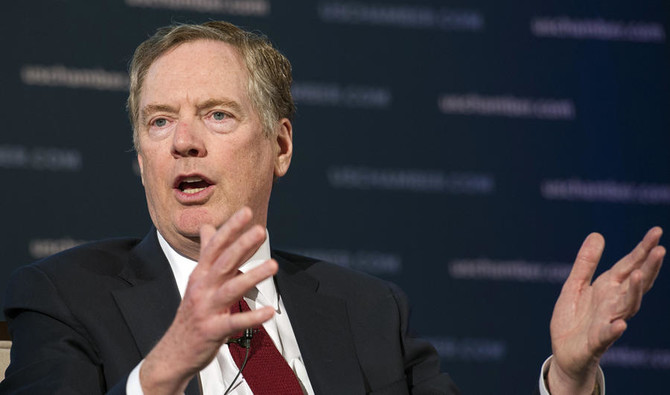
US slams harmful China trade policies, threatens auto tariffs
US slams harmful China trade policies, threatens auto tariffs
- Xi and US Vice President Mike Pence had recently delivered competing criticized each other’s trade and investment practices
- Trump is due to meet with Xi Jinping at a G20 summit in Argentina to defuse the ongoing US-China trade conflict
Latest updates


© 2026 SAUDI RESEARCH & PUBLISHING COMPANY, All Rights Reserved And subject to Terms of Use Agreement.