

Highlights from the fifth annual Saudi Design Week

Art of heritage pieces. (Supplied)
Updated 11 October 2018
Follow

Highlights from the fifth annual Saudi Design Week

  • Saudi design week showcased a variety of different designers and artists

DUBAI: Saudi Design Week wrapped up last week and offered visitors a wealth of innovative creations. We picked out some of our favorites just in case you missed the show.

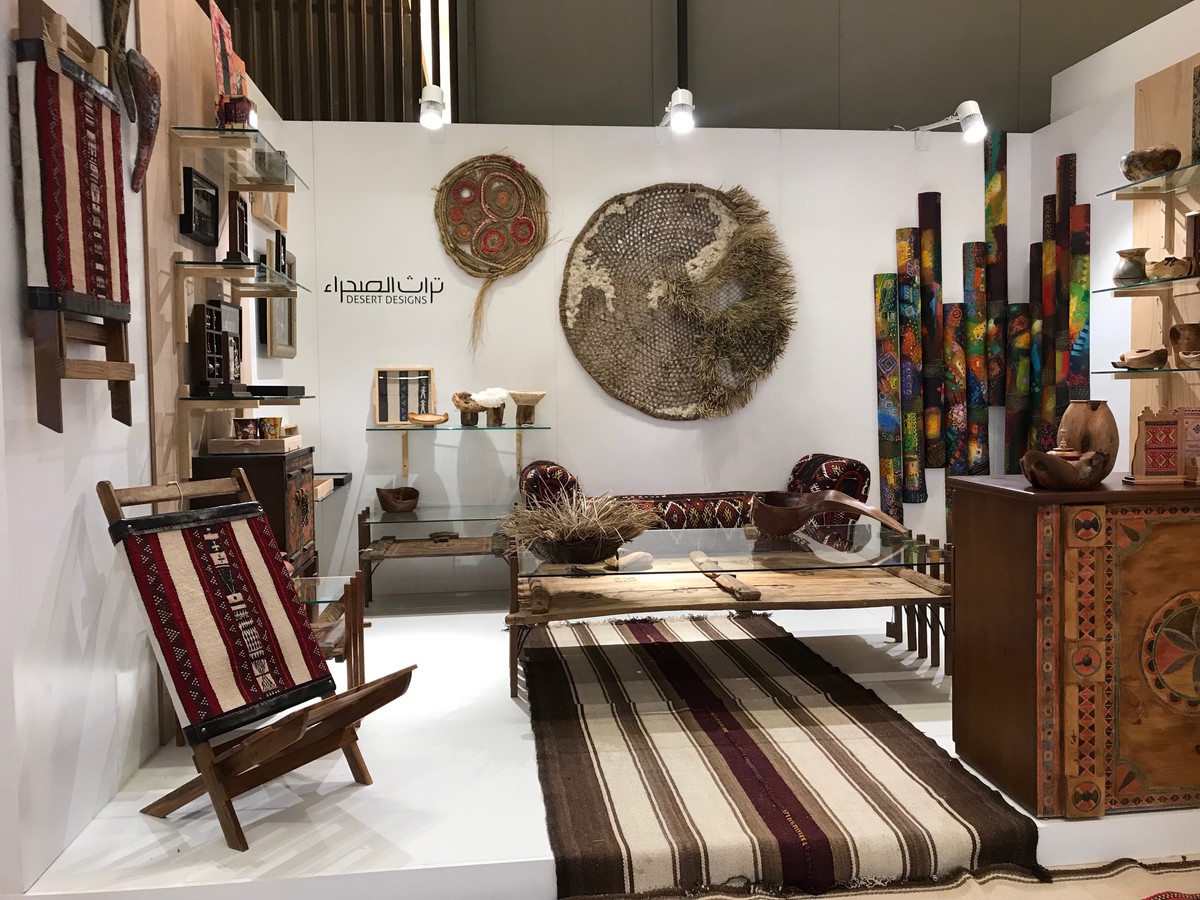
1. DESERT DESIGNS
The theme of Saudi Design Week this year was “Sustainability in Design.” While each exhibitor interpreted that concept in their own way, Desert Designs was already a natural fit. The Khobar-based company creates upcycled homeware and —  for Design Week —  focused on using “heritage and heirloom pieces,” including a wooden door that the designers transformed into a glass-topped coffee table.
2. ABADIA
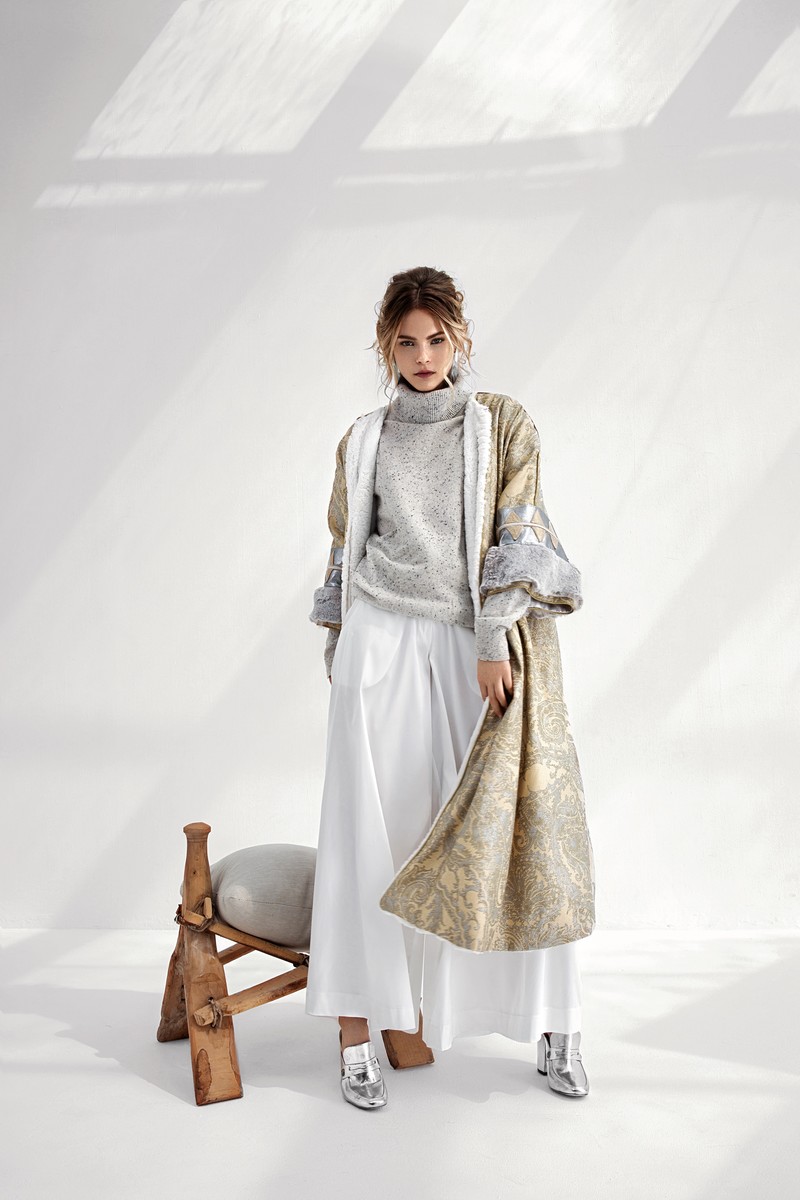
The Saudi Arabian luxury fashion brand uses traditional techniques including embroidery and sadu to create its womenswear, in keeping with its mission to “celebrate culture and preserve craftsmanship” in contemporary design. It’s feminine take on the farwa —  originally an oversized coat worn by desert nomads in the winter, adapted by Abadia for “the contemporary global woman,” is its most celebrated garment.
3. ZMZMYA
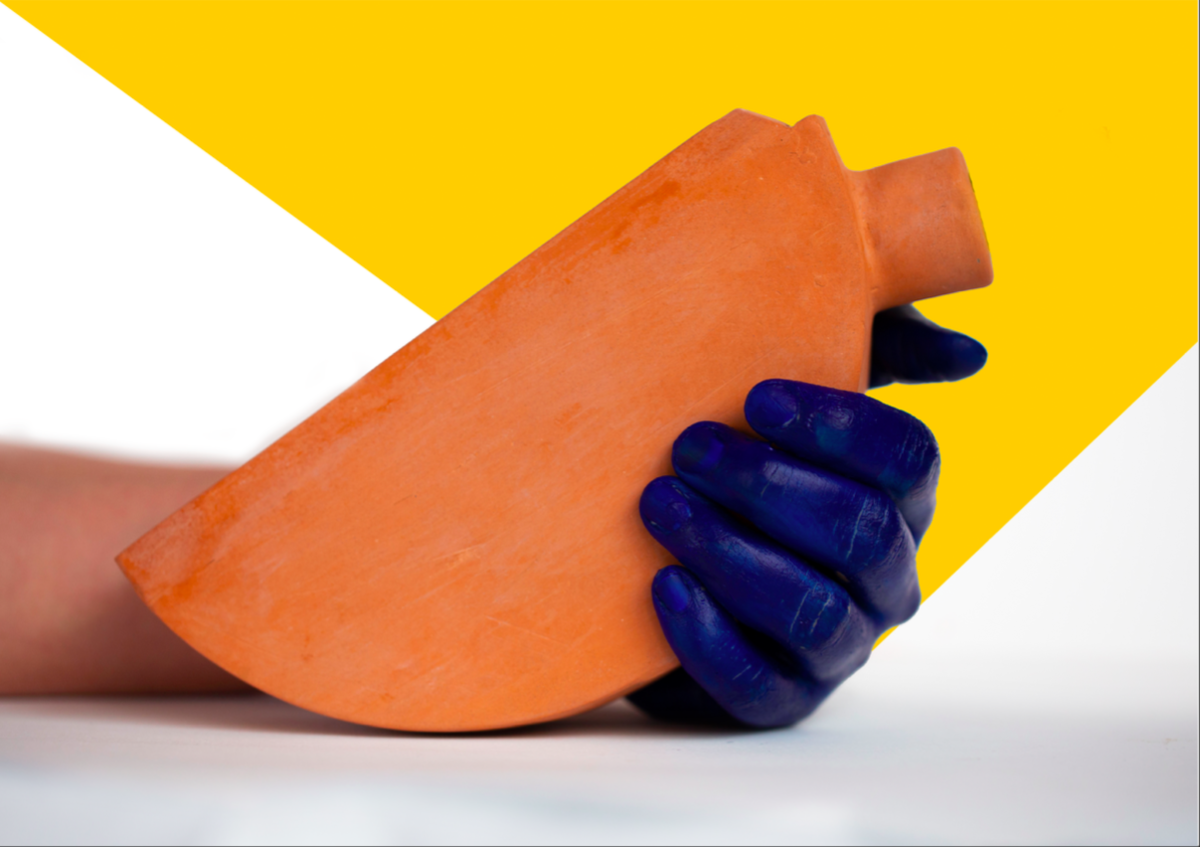
This beautifully crafted take on the traditional Khaleeji zamzamiah water canteen comes from Jeddah-based Efreez Studio. The designers claim that this version, handmade from red clay, is a healthy option, being free of the “harmful lead and chemicals found in the majority of plastic water bottles.” Each piece, the studio claims, is unique, thanks to the handcrafted top section, and the fact that this “mix of functional art and hydration” is made on a potter’s wheel and corked means it fits well with the sustainability theme of Design Week.
4. RADHWA KABLI
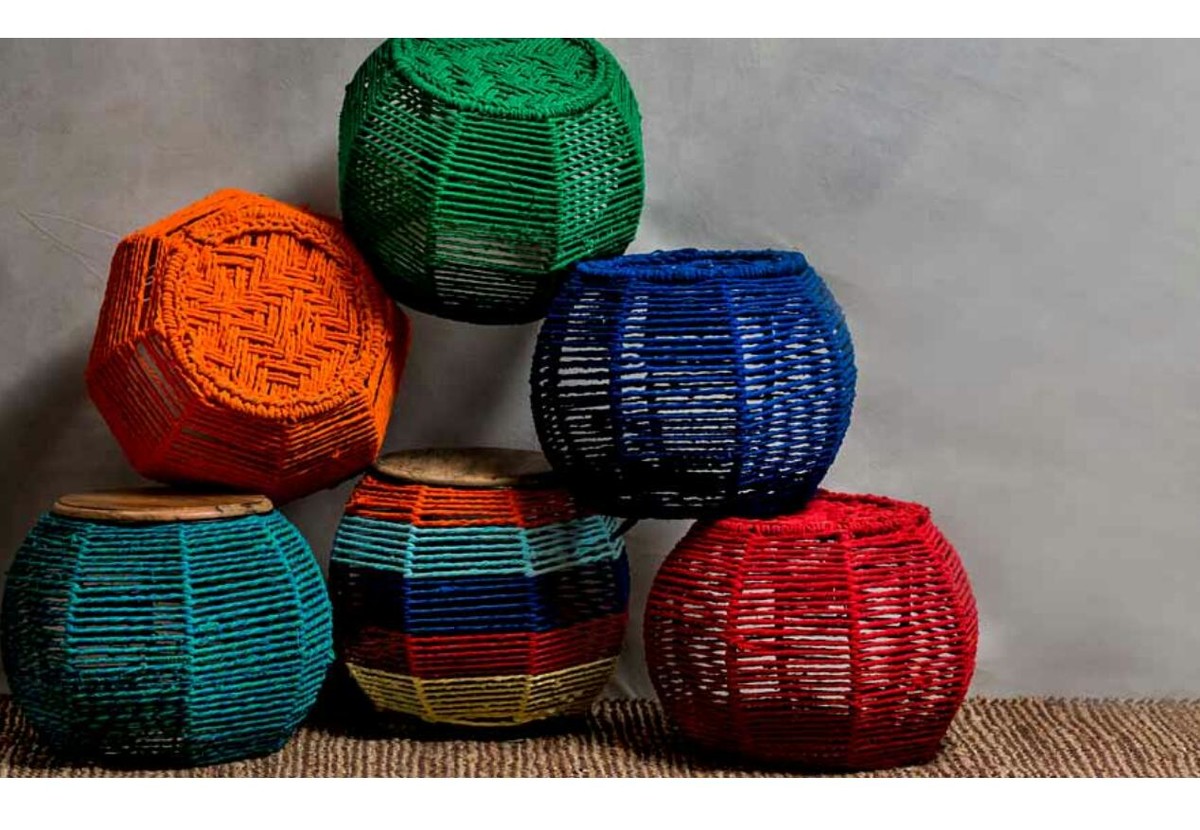
A Design Week veteran, Kabli —  an “interior architect” —  creates furniture with a twist. Sometimes literally. The main concept behind her “Kappa” collection, she has said, is “to present the beauty of geometric design by creating harmony and illusion of movement.”


5. OLD CASTLE DESIGN
Old Castle founder Amal bint Bandar Alsudairy combines her love of art, antiques and design in her contemporary homeware and furniture pieces. Her design is predominantly based, she says, on “modern arabesque.” Alsudairy is currently studying for a master’s degree in architectural design.
6. ART OF HERITAGE
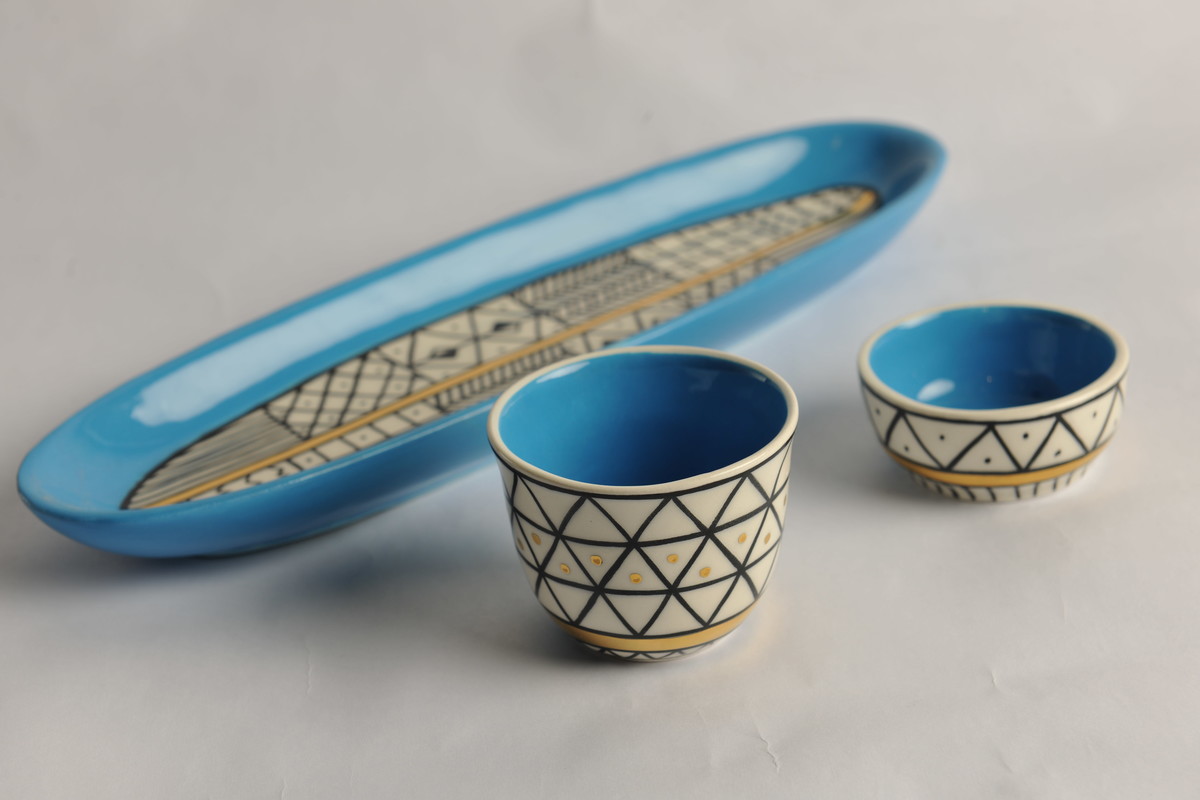
Riyadh-based Art of Heritage displayed handmade pottery and gifts from its non-profit organization Yadawy, so all the pieces are created by Saudi Arabian women with physical disabilities, all are unique, and all are stamped and signed by their makers, some of whom are now able to make a living from their art.
7. NOURA BOUZO
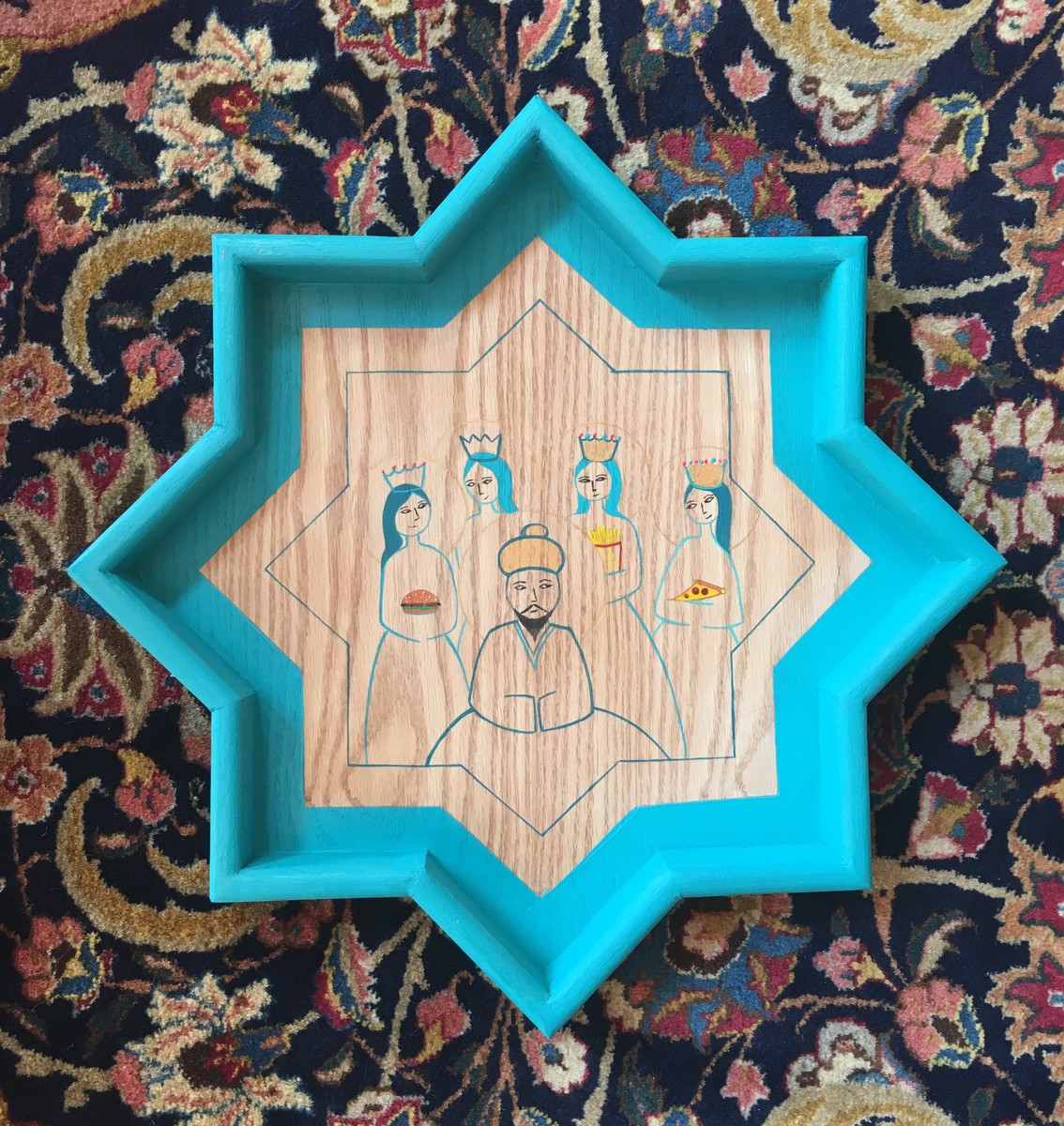
Bouzo is one of the co-founders of Saudi Design Week, and interpreted the ‘sustainability’ theme to mean “sustaining our heritage” as well as using sustainable materials. As such, her eye-catching miniatures are recreations of historical Islamic art painted on reclaimed wood and recycled material.
8. NOTA NOTA
It might look like a fancy food blender or juicer, but Nota Nota is actually a machine that allows users to design their own perfume. Created by Saudi Arabian entrepreneur Abdullah Bahabri, Nota Nota comes with its own app (of course it does), which enables users to share their fragrant (or not) recipes with others. Earlier this summer, talking about his creation to Kawa News, Bahabri said, “In Arabia, perfume has been part of the culture for centuries. The famous scent codes are built on oudh, particularly. And nowadays French perfumery is also very common in Saudi, people do love to wear both French perfume and scents that come from the region.”

9. KHASHBA
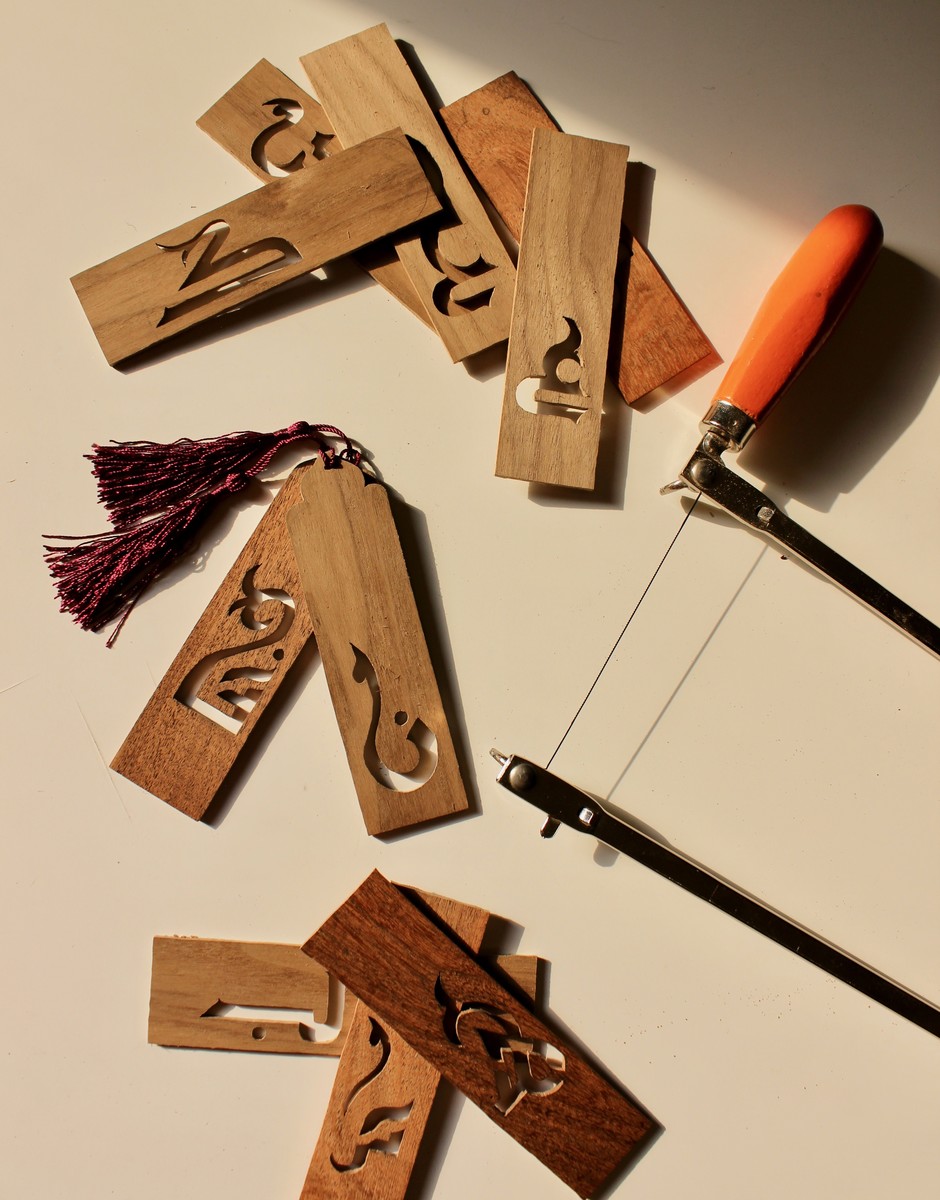
Ranin Kurdi and Sufanah Dairi create handmade wooden art that draws inspiration from their Arabic and Islamic heritage, with influences including calligraphy, particularly Kufic design. Their machine-free craftsmanship results in striking pieces of art that rely heavily on history while retaining a modern touch.


Saudi designer Njoud Alghamdi: ‘We want to sustain our cultural identity in a new form’ 

Updated 18 December 2025
Follow

Saudi designer Njoud Alghamdi: ‘We want to sustain our cultural identity in a new form’ 

  • The Saudi designer on revamping the date-serving experience with Muntj Studio 

DUBAI: Saudi product designer Njoud Alghamdi brought a culturally rooted product to last month’s Dubai Design Week with “Nawat” — showcased under the Designed in Saudi initiative by the Saudi Architecture and Design Commission. 

Alghamdi is the co-founder and lead product designer of Muntj Studio, which she describes as “a cultural design studio where we focus on sustaining our cultural identity.” 

But Alghamdi isn’t interested in simply reproducing products from the past. “I am passionate about cultural innovation,” she told Arab News.  

“Nawat” — which she describes as the studio’s “signature piece” — is a perfect example of that innovation. It was created to address an issue that occurs in gatherings across Saudi Arabia and the Gulf. 

“Nawat” is the studio’s “signature piece,” according to Njoud Alghamdi. (Supplied) 

 “As you know, dates hold a very special place for us,” she said. But Alghamdi and her team identified a common concern. “Usually when people eat dates, they are embarrassed dealing with the pits themselves,” she explained. “So usually, they hide it in their pockets or in a tissue.  

“We asked ourselves, ‘How we can solve this problem to make the experience easier for the users?’” she continued. The elegant result is “Nawat,” a rounded wooden vessel with openings designed to store date pits out of sight.  

Those openings were inspired by traditional Najdi architectural elements, with a particular focus on the motifs used in old Najdi doors. During the research phase, she and her team reviewed a range of patterns but chose not to use the sharper shapes found in older houses.  

“We didn’t want to use motifs like the triangle,” she said. “So, we found the perfect circular motif and used that. Najdi doors are also a symbol of welcoming.” 

This connection aligned naturally with the social role of dates in Khaleeji culture. “The date pit holds a very special place for us at every table,” she said. “We hope that reflects how friendly this object is.” 

The final product was crafted in Riyadh by local artisans, she explained. “They used natural wood with natural finishes as well.”  

The final product was crafted in Riyadh by local artisans. (Supplied) 

The studio is now developing an entire “Nawat” range, Alghamdi said, explaining that the collection will include different sizes and dimensions to fit a wider range of occasions.  

Alghamdi described the studio’s broader focus as creating contemporary objects that sustain cultural identity. “Most of our products reflect our Saudi identity in a new format,” she said. “We want to sustain our cultural identity in a new form that can share our story with the whole world.” 

Current projects include an incense burner inspired by the camel hump, intended to “support a more comfortable daily incense ritual.” She added that the studio is also working on “cultural games,” which she described as ways to express Saudi identity in an interactive way.  

“Playing a game is the perfect way to communicate,” she said. “We believe that by expressing our identities through these games, it will help us to spread our identity and culture to the whole world.” 

Dubai Design Week was a small step towards that goal.  

“Actually, this is one of my proudest moments, to be honest,” Alghamdi said. “Exhibiting with the Architecture and Design Commission is something really special to me. 

“We’re always grateful for all the support and empowerment that (the commission is) giving us,” she continued. “As a Saudi designer, they always ensure that we get the best (opportunities) to present our work. This is something that makes every Saudi designer super-excited to come up with the best designs, because (we have the chance to) reflect our identity and the (wider design) scene.”