ISLAMABAD: US Secretary of State Mike Pompeo assured Pakistan last week Washington would not try to block any request for a bailout from the International Monetary Fund (IMF), Pakistani Information Minister Fawad Chaudhry said on Tuesday.
The remarks, which Chaudhry said Pompeo made during his visit to Pakistan on Wednesday, come in stark contrast to Pompeo’s warnings in July that the United States had serious reservations about the IMF giving money to Pakistan due to concerns Islamabad would use the cash to pay off Chinese loans.
Those comments rattled Islamabad, which is facing a currency crisis and may have no option but to turn again to the IMF for a rescue if staunch allies China and Saudi Arabia do not offer more loans to prop up its foreign currency reserves.
Chaudhry told Reuters that relations between United States and Pakistan were “broken” before Pompeo’s trip to Islamabad but the visit had “set many things straight” and re-invigorated ties.
“He assured Pakistan that...if Pakistan opted to go to IMF for any financial help, the USA will not oppose it,” Chaudhry said in the capital, Islamabad.
The US embassy in Islamabad did not have any immediate comment.
The new government of Prime Minister Imran Khan, who took office in August, is trying to avert a currency crisis caused by a shortage of dollars in an economy hit by a ballooning current account deficit and dwindling foreign currency reserves.
Pakistani officials say they are discussing taking drastic measures to avert seeking a bailout from the IMF, which has come to Pakistan’s rescue 14 times since 1980, including most recently in 2013.
Pakistan’s relations with the United States have soured in recent years over the war in Afghanistan and Islamabad’s alleged support for Islamist militants. Ties dropped to a new low when President Donald Trump in January accused Pakistan of lies and deceit by playing a double game on fighting terrorism.
Islamabad denies aiding insurgents in Afghanistan and lashed out against Trump’s remarks, which were followed up by Washington suspending US military aid.
At the United States’ urging, a group of Western countries in February convinced a global body to put Pakistan on a terrorism financing watch list, a move that triggered concerns the United States may also seek to block Islamabad in other forums.
In July, Pompeo said there was “no rationale” for the IMF to bail out Pakistan. Pompeo worries that Islamabad would use the IMF money to pay off Chinese loans echoes concerns by other US officials that China is saddling many emerging market countries with too much debt. Beijing staunchly denies such claims.
“There’s no rationale for IMF tax dollars, and associated with that American dollars that are part of the IMF funding, for those to go to bail out Chinese bondholders or China itself,” Pompeo said in July, referring to a possible Pakistan bailout.
But during last week’s visit Pompeo said he was hopeful of “a reset of relations” long strained over the war in Afghanistan.


![]()
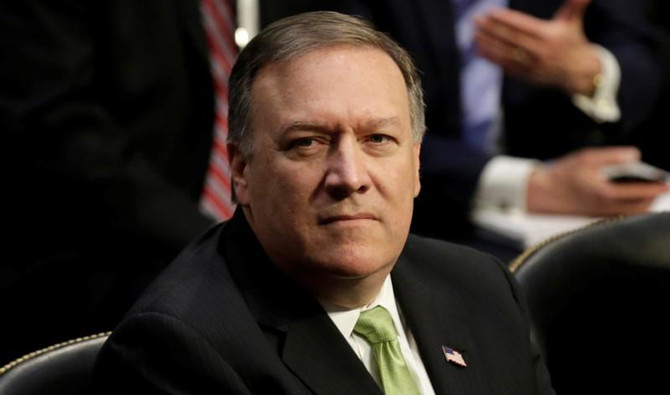
Pompeo said US won’t block Pakistan if it seeks IMF bailout — Pakistani minister
Pompeo said US won’t block Pakistan if it seeks IMF bailout — Pakistani minister
- Pompeo’s trip to Islamabad has “set many things straight” and re-invigorated ties, says Pakistani Information Minister Fawad Chaudhry
- Pakistani officials say they are discussing taking drastic measures to avert seeking a bailout from the IMF, which has come to Pakistan’s rescue 14 times since 1980, including most recently in 2013


Latest updates


Recommended


© 2026 SAUDI RESEARCH & PUBLISHING COMPANY, All Rights Reserved And subject to Terms of Use Agreement.