Saudi Vision 2030 ‘will boost competitiveness,’ WEF says

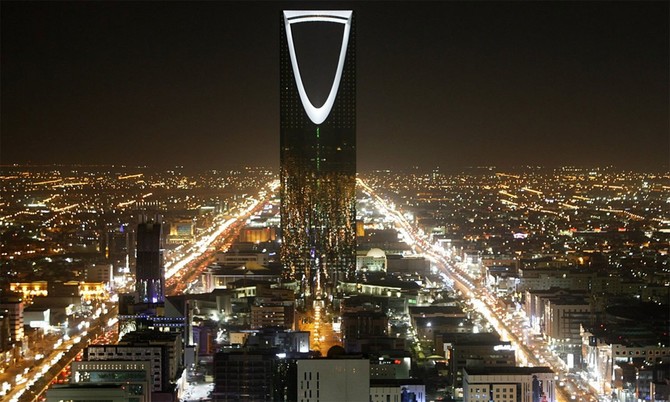
Saudi Arabia’s capital Riyadh landscape at night. (Reuters)
Updated 25 August 2018
Follow

Saudi Vision 2030 ‘will boost competitiveness,’ WEF says

  • Many young Arabs who dream of living and working in Europe are not only interested in earning better incomes
  • To maintain our identity, we need to modernize our work environment

LONDON: Countries across the Middle East are struggling to create diverse opportunities for their youth, according to the latest World Economic Forum (WEF) Arab World Competitiveness Report.
However, a number of countries are innovating and creating new solutions to previously existing barriers to competitiveness, the report noted.
Saudi Arabia has committed to significant changes to its economy and society as part of its Vision 2030 reform plan, while the UAE has increased equity investment in technology firms from $100 million to $1.7 billion in just two years.
Bahrain is piloting a new flexi-permit for foreign workers to go beyond the usual sponsorship system that has segmented and created inefficiencies in the labor market of most GCC countries.
The report found that, despite huge improvements in infrastructure and technology adoption, government-led investment in the Arab world has not been sufficient to encourage private sector participation on a wide scale.
The WEF report, written in conjunction with the World Bank Group, outlines recommendations for Arab countries to prepare for a new economic context, better education opportunities and increased social mobility.
“We hope that the 2018 Arab World Competitiveness Report will stimulate discussions resulting in government reforms that could unlock the entrepreneurial potential of the region and its youth,” said Philippe Le Houérou, IFC’s CEO.
“We must accelerate progress toward an innovation-driven economic model that creates productive jobs and widespread opportunities.”
The report states that the way toward less oil-dependent economies for the Arab region is through robust macroeconomic policies that facilitate investment and trade, promotion of exports, improvements in education and initiatives to increase innovation among firms.


Klija Festival in Buraidah empowers small businesses

Updated 24 January 2026
Follow

Klija Festival in Buraidah empowers small businesses

  • Half a million attend 15-day celebration of heritage; event creates 1,500 seasonal jobs

RIYADH: The 17th Klija Festival in Buraidah drew more than half a million visitors during its 15-day run, celebrating the region’s heritage and entrepreneurial spirit.

Organized by the Qassim Chamber of Commerce, the event highlighted small businesses, providing a platform for entrepreneurs to showcase local products.

More than 340 sales outlets, marketing corners and points of sale welcomed attendees, while the festival provided 1,500 seasonal job opportunities, the Saudi Press Agency reported.

The small business pavilions featured families in the cottage industry, artisans and startups presenting traditional foods, and handicrafts and heritage items that reflect the region’s identity.

Participants said that the festival was a key marketing platform, boosting sales, increasing brand awareness, facilitating knowledge exchange and fostering connections with organizations supporting SMEs.

Mohammed Al-Hanaya, Qassim Chamber secretary-general and festival supervisor, said that the event brought together families, artisans, SMEs, companies and institutions, stimulating commercial activity, opening direct marketing channels and enhancing economic returns.

He added that the festival provided seasonal jobs for more than 1,500 young men and women across operations, marketing and services, supporting the labor market, empowering national talent, and connecting youth to the events and creative economy.

Klija, a traditional cookie made from wheat flour, dates or sugar, date syrup and natural ingredients such as cardamom and lemon, is a rich source of energy, carbohydrates, dietary fiber and natural proteins.

A cultural icon rooted in Qassim’s traditions, the cookie has gained international exposure through the festival, expanding the availability of packaged products.

Starting next year, the festival will be renamed the International Klija Festival, a rebranding approved by Qassim Gov. Prince Faisal bin Mishaal, who described it as a “successful model for turning local initiatives into global economic engines.”

This year’s festival, held at the King Khalid Cultural Center, included international participants from Egypt, Turkiye and Morocco, marking its evolution into a cross-cultural platform.