ISLAMABAD: Pakistani authorities have tightened security ahead of Wednesday’s elections as in the past two weeks a spate of terror attacks have killed dozens including political candidates.
“Deployment of troops has been completed across the country in respective area of responsibility to provide mandated assistance to the (Election Commission of Pakistan) ECP in conduct of free, fair and transparent elections 2018,” military’s media wing, Inter-Services Public Relations, said in a statement.
It added: “Coordination with other law enforcement agencies and local administration is in hand for ensuring a safe and secure environment.”
For three days starting from Tuesday, 371,388 troops across the country are supporting the electoral process but do not have a direct role in holding of the general elections.
Meanwhile, Pakistan’s Embassy in Kabul announced that two major border crossing points with Afghanistan will be closed for two days in efforts to maintain security during Wednesday’s elections.
Chaman border in southwestern Balochistan and Kharlachi in the Kurram district in Khyber Pakhtunkhwa will remain closed on July 24 and July 25 owing to parliamentary elections in Pakistan.
However, the major border crossing at Torkham will remain open as usual, the embassy said.
Intelligence officials briefed a high-level meeting that the banned Tehrik-e-Taliban Pakistan and splinter Taliban group Jamaat-ul-Ahrar formed groups for attacks on senior political leaders and candidates during the election campaign for the July 25 parliamentary and provincial assemblies’ polls.
Armed groups have killed three provincial assembly candidates in Khyber Pakhtunkhwa and Balochistan over the past few days, while a National Assembly candidate, Akram Khan Durrani, survived two assassination attempts during his recent election campaign.
The meeting at the corps headquarters at Peshawar, which was called to discuss the security situation in the context of the general elections, was attended by senior officials of the military and civil intelligence institutions and police officers, according to the report, a copy of which is available to Arab News.


![]()

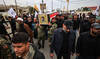
Pakistan beefs up security, closes two border crossings with Afghanistan before polls
Pakistan beefs up security, closes two border crossings with Afghanistan before polls
- Around 371,388 troops across the country would support the electoral process
- Two major border crossing points with Afghanistan will be closed for two days in efforts to maintain security during the July 25 general elections


Latest updates



Recommended


© 2026 SAUDI RESEARCH & PUBLISHING COMPANY, All Rights Reserved And subject to Terms of Use Agreement.