

Baalbeck comes back with a bang: Six artists to watch

1 / 6
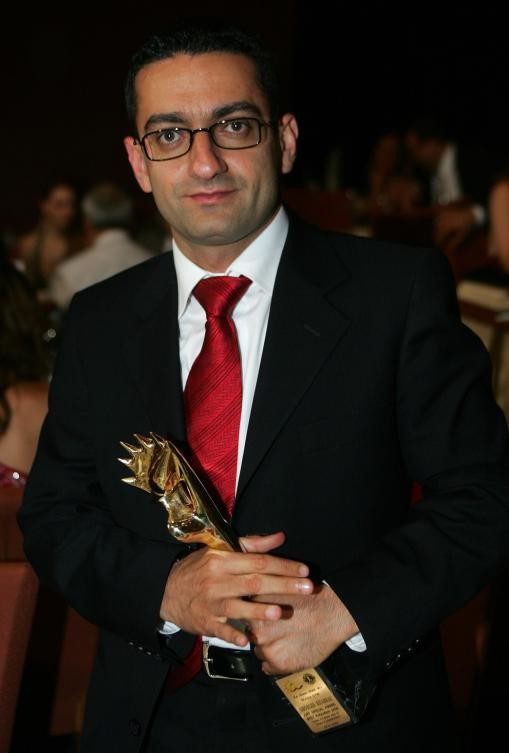
The festival is set to host a fundraising event featuring Lebanese composer and songwriter Khaled Mouzanar on July 8. (AFP)
2 / 6
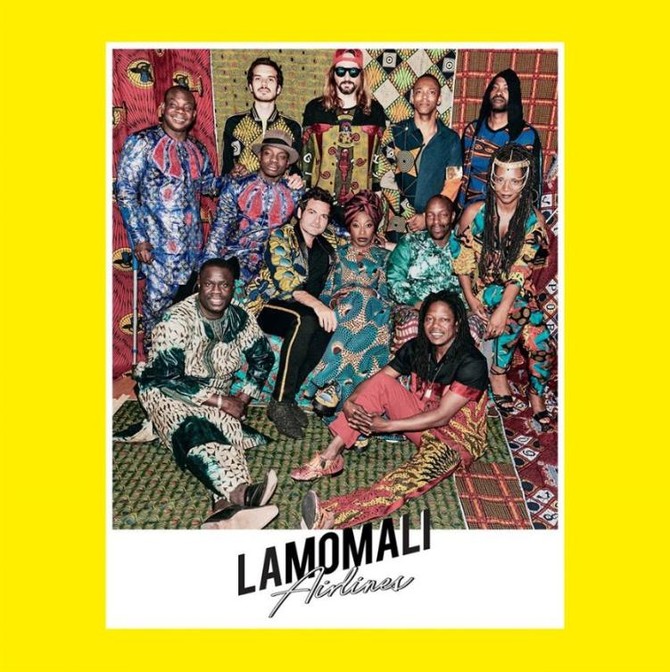
The talented French showman, who has 13 Victoires de la Musique awards to his name, is set to captivate audiences at Baalbek. (Facebook)
3 / 6
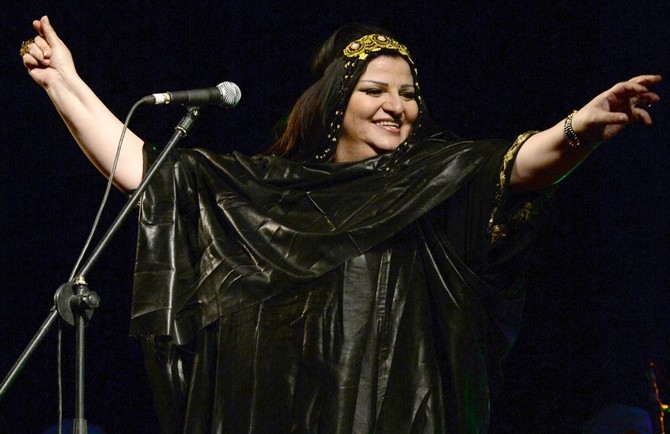
Singer Jahida Wehbe will take to the stage. (AFP)
4 / 6
The region’s oldest arts festival will pay tribute to late Arab diva Umm Kulthum. (AFP)
5 / 6
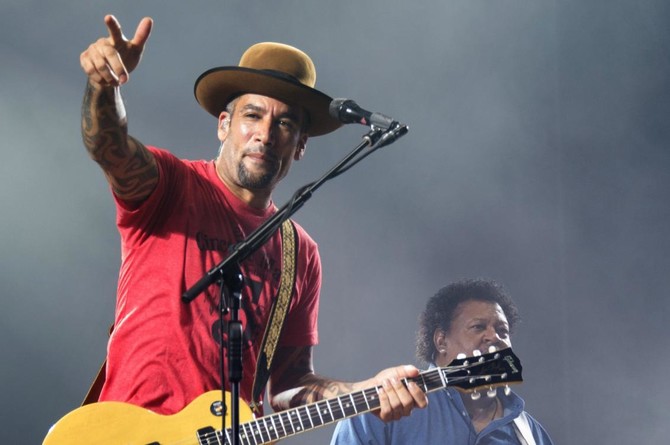
US singer-songwriter Ben Harper. (AFP)
6 / 6
Lebanon’s Georges Khabbaz is putting on a show. (AFP)
Updated 04 July 2018
Follow

Baalbeck comes back with a bang: Six artists to watch

  • This year’s edition of Lebanon’s Baalbeck International Festival is set to be as exciting and varied as ever
  • The region’s oldest arts festival pays tribute to late Arab diva Umm Kulthum

CAIRO: Launched in 1956, this year’s edition of Lebanon’s Baalbeck International Festival is set to be as exciting and varied as ever. Here, we take a look at six of the artists taking part and what the popular event is offering up in 2018.

Khaled Mouzanar

The festival is set to host a fundraising event featuring Lebanese composer and songwriter Khaled Mouzanar on July 8. He has created music for scores of films and, along with his orchestra, Mouzanar will play extracts of Lebanese director Nadine Labaki’s feature film “Capharnaüm,” which won the Jury Prize at the 2018 Cannes Film Festival.

Maï Farouk and Marwa Nagy

The region’s oldest arts festival pays tribute to late Arab diva Umm Kulthum, who sang in Baalbeck in 1966, 1968 and 1970. On July 20, songs by the legendary Egyptian singer will be rehashed in front of an eager crowd. Egyptian composer Hisham Gabr, two renowned Egyptian singers, Maï Farouk and Marwa Nagy, as well as the Lebanese National Orchestra for Oriental-Arabic Music will perform at the event.

Matthieu Chedid

The talented French showman, who has 13 Victoires de la Musique awards to his name, is set to captivate audiences at Baalbek with what promises to be an energetic performance on Aug. 4. Chedid and his band are preparing a special show for the festival, including his biggest hits and the participation of members of the Chedid family.

Georges Khabbaz

A musical play titled “ILLA IZA,” “unless” in English, is set to be performed at the festival on Aug. 10 and 11. Written and directed by Lebanon’s Georges Khabbaz, the production features 70 actors, dancers and musicians.

Elie Maalouf and Jahida Wehbé

“From Tarab to Jazz” will fuse traditional Arabic music with Western jazz in a live performance on Aug. 17. The innovative show will see pianist and composer Elie Maalouf and singer Jahida Wehbe take to the stage.

Ben Harper

US singer-songwriter Ben Harper — best known for his hits “Burn One Down,” “Another Lonely Day” and “Waiting on an Angel” — will perform on Aug. 18.


Review: ‘Sorry, Baby’ by Eva Victor

Eva Victor appears in Sorry, Baby by Eva Victor, an official selection of the 2025 Sundance Film Festival. (Supplied)
Updated 27 December 2025
Follow

Review: ‘Sorry, Baby’ by Eva Victor

  • Victor makes a deliberate narrative choice; we never witness the violence of what happens to her character

There is a bravery in “Sorry, Baby” that comes not from what the film shows, but from what it withholds. 

Written, directed by, and starring Eva Victor, it is one of the most talked-about indie films of the year, winning the Waldo Salt Screenwriting Award at Sundance and gathering momentum with nominations, including nods at the Golden Globes and Gotham Awards. 

The film is both incisive and tender in its exploration of trauma, friendship, and the long, winding road toward healing. It follows Agnes, a young professor of literature trying to pick up the pieces after a disturbing incident in grad school. 

Victor makes a deliberate narrative choice; we never witness the violence of what happens to her character. The story centers on Agnes’ perspective in her own words, even as she struggles to name it at various points in the film. 

There is a generosity to Victor’s storytelling and a refusal to reduce the narrative to trauma alone. Instead we witness the breadth of human experience, from heartbreak and loneliness to joy and the sustaining power of friendship. These themes are supported by dialogue and camerawork that incorporates silences and stillness as much as the power of words and movement. 

The film captures the messy, beautiful ways people care for one another. Supporting performances — particularly by “Mickey 17” actor Naomi Ackie who plays the best friend Lydia — and encounters with strangers and a kitten, reinforce the story’s celebration of solidarity and community. 

“Sorry, Baby” reminds us that human resilience is rarely entirely solitary; it is nurtured through acts of care, intimacy and tenderness.

A pivotal scene between Agnes and her friend’s newborn inspires the film’s title. A single, reassuring line gently speaks a pure and simple truth: “I know you’re scared … but you’re OK.” 

It is a reminder that in the end, no matter how dark life gets, it goes on, and so does the human capacity to love.