PAU, France: A furious debate is disturbing the peace in the French mountains: do plans to release two bears into the countryside represent a victory for biodiversity, or an intolerable threat to farmers?
Back in the early 20th century around 150 brown bears roamed the French Pyrenees along the Spanish border, but by the 1990s they had been hunted close to extinction.
The government released three Slovenian bears into the mountains from 1996 onwards, followed by five more after a hunter killed the last “native” French one, a female named Cannelle (Cinnamon).
Their numbers are now back up to around 40, causing headaches for local farmers even before French environment minister Nicolas Hulot, a celebrity green activist, announced in March that he wanted to add two more females with the hope they would have cubs.
“Farmers are ready to do everything, even if it’s illegal. They will not let this go,” warned Bernard Layre, head of the FDSEA farming union.
Echoing the battle over the wolves which roam parts of the Pyrenees and other mountainous areas of France, animal rights activists have passionately defended efforts to increase bear numbers while farmers say they are the ones bearing the costs.
According to an official count, livestock breeders lost 700 animals to bear attacks last year in the Ariege border area alone. Farmers put the figures at double this.
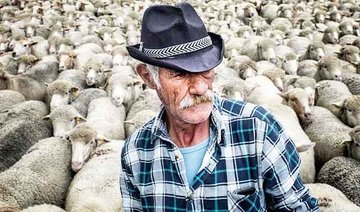
Hundreds of people joined a protest in the southwestern French city of Pau on April 30 against the arrival of the two new animals, wielding banners reading “You will not have the skin of the shepherds!“
But Hulot is under pressure to better protect the bears after a court ruling last September rapped the French state for not doing enough on the issue.
In May he signed a ten-year “Bear Plan” that envisages bringing the numbers up to “around 50 sexually mature” bears.
The goal is to ensure the long-term survival of the species, each of which can weigh up to 250 kilogrammes (550 pounds) and stand as tall as two meters (six feet five inches) when reared up on their hind legs.
Hulot is set to meet shortly with both proponents and critics of the bid to introduce two more females, while the regional government is carrying out a local consultation until mid-June.
Supporters argue the new arrivals would simply restore the status quo — no bears have been released by the authorities since Cinnamon and another were killed by hunters. Farmers are also compensated for livestock deaths from bear attacks.
“Bear and shepherd have always lived side by side,” said Jean-Francois Blanco, a regional lawmaker from the EELV environmentalist party.
Part of the problem, he argued, is that farming methods have changed, with sheep increasingly left on the hillside unwatched for long periods of time.
Posting more shepherds to guard the flocks, as per tradition, would “considerably limit the risk of attack,” he said.
But the farmers say the impact of a bear attack can be huge.
In one particularly horrible case in 2016, more than 200 sheep died when they hurtled over a cliff while being chased by a bear.
“We’re simply saying that when there’s a proliferation of bears, there is a danger,” Layre said.
He and other opponents have dismissed mooted measures to improve the farmers’ lot, such as better compensation and dog training, as “smoke and mirrors.”
Some critics also point out that these Slovenian immigrant bears are not even native to the Pyrenees.
But Blanco insisted that over the last 20 years “attitudes have changed.” Several local villages have elected pro-bear mayors, he pointed out, adding that a poll in the Pyrenees in February found that 74 percent of residents were in favor of releasing the two new ones.
“Biodiversity has gone up in priority,” he said.


![]()

French farmers furious over plans to release bears
French farmers furious over plans to release bears
- In 2016, more than 200 sheep died when they hurtled over a cliff while being chased by a bear
- Back in the early 20th century around 150 brown bears roamed the French Pyrenees along the Spanish border, but by the 1990s they had been hunted close to extinction

Latest updates





© 2026 SAUDI RESEARCH & PUBLISHING COMPANY, All Rights Reserved And subject to Terms of Use Agreement.