DUBAI: The first ever specialized diabetes hospital in Pakistan has been inaugurated in Islamabad on Friday.
The Diabetes Center (TDC) — which has 50 medical and administrative staff, and can cater to 700 patients daily — was inaugurated by Prime Minister Shahid Khaqan Abbasi. Its cost was mainly covered by zakat and donations from Pakistani expats in the Gulf.
Covering 72,000 square feet, the TDC has 16 clinics and is the first paperless hospital in the country.
Its story began five years ago in Abu Dhabi, where diabetologist Dr. Asjad Hameed provided free medical advice and support to blue-collar workers, who were often unaware of the disease.
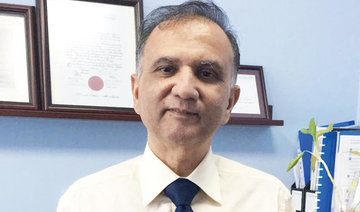
“Every evening, taxi drivers and other workers used to come and see me to discuss their health issues. I realized most of them were suffering from diabetes, and they had no idea. Hence this was kind of a wakeup call for me,” said Hameed, TDC founder and director.
“I realized that not just in my country but across South Asia, we need a specialized diabetes hospital that can provide world-class treatment, including to those who can’t afford it,” he added.
“Today, with the support of my friends in the UAE, we’re hours away from inaugurating the hospital.”
More than 10 friends formed a team to realize the project. “We expatriates always wanted to do something for our country, and often, despite our will, we never got the opportunity. When Dr. Hameed told me about the TDC, I didn’t give it a second thought and said, ‘your wish is my command’,” said Ehtesham Uddin, an engineer working in Abu Dhabi.
For the next five years, “every Friday morning we’d have a breakfast meeting at Dr. Hameed’s house,” said Uddin, a TDC board member.
“Every alternate weekend, two of us would visit the site in Pakistan and supervise construction.”
Hameed said: “Initially, me and my friends put all our savings into the project, but considering the size and ambition, we needed support.
He added: “We feel so proud that the Pakistani community, especially in the Gulf, came forward and supported us in a way we never imagined. We’re extremely thankful to them.”
He and his team have been running a mobile clinic at the hospital site for more than two years, serving hundreds of poor patients daily. A quarter of Pakistan’s adult population is diabetic.


![]()
![]()
![]()
![]()
![]()

The first ever charity, diabetes hospital opens in Islamabad

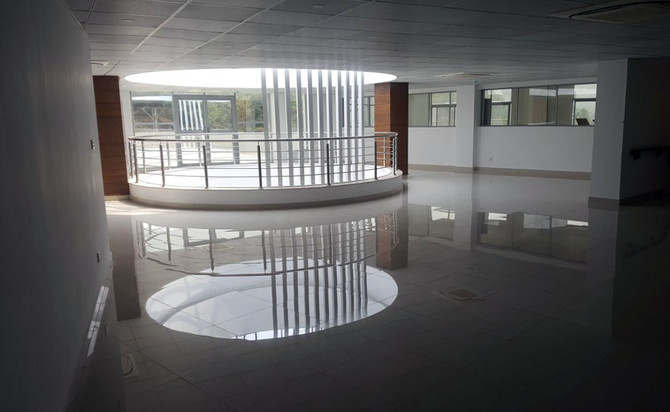

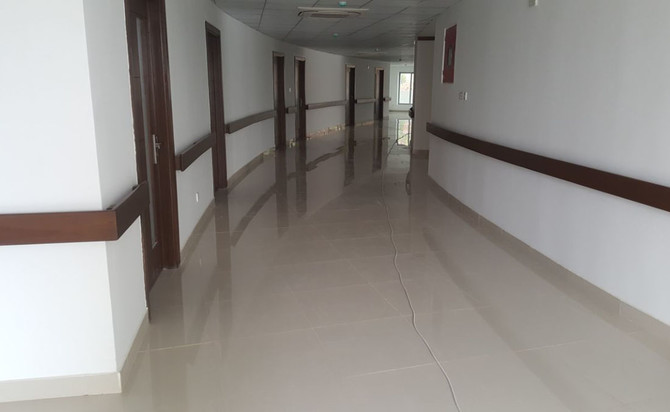
The first ever charity, diabetes hospital opens in Islamabad
- The non-profit hospital will provide medical services for free to needy people
- Its cost was mainly covered by donations and zakat from Pakistani expats in the Gulf

Latest updates


© 2026 SAUDI RESEARCH & PUBLISHING COMPANY, All Rights Reserved And subject to Terms of Use Agreement.