RIYADH: A medical team at King Saud University (KSU) has performed successful surgery on a patient with early-stage breast cancer using intraoperative electron radiation therapy (IOERT) technology for the first time in the Arab world.
IOERT applies radiation directly to the tumor or tumor bed rather than healthy tissue during cancer surgery.
The successful surgery is another feather in the cap of KSU, which is leading the vanguard in academic excellence in the Kingdom.
Professor Abdul Aziz bin Abdullah Al-Saif, the head of the surgical team that carried out the surgery, told Arab News in an exclusive interview on Friday: “It is indeed a great feeling to be the 'first to do' something beneficial for humanity in the Arab world, thanks to Allah.”
“At the present time, breast cancer is being treated by five modalities of therapy, one of them is radiotherapy; which has been in the treatment arena for the past 50 years and it is improving as time goes by,” Al-Saif said.
“Classical radiotherapy is called whole breast irradiation (WBI ) and means irradiating the whole breast tissue, which has many side effects, especially on the heart, lungs, ribs and skin,” he said.
“IORT gives the patient the needed dose of radiation immediately after finishing the surgery while the patient is still under general anesthesia. This radiation dose is directed to the tumor bed and the immediate breast tissue surrounding it, which means the patient gets the benefits of irradiation and avoids the harms to a greater extent,” he said.
“There are many types of IORT, one of them is giving electron radiation as opposed to photons radiation and the scientific evidence supports electron therapy much more than supporting photon therapy,” he said. “In our case, we used electron therapy for the first time in the Arab world.”
“It is very important to emphasize that only patients with early-stage breast cancer may benefit from this technology,” he said. “Our plan is to increase public awareness about this disease so that patients can come to us at an early stage and benefit from this technology.”
The advantages of the technique include shortening the duration of the treatment period from six weeks to ten minutes; the radiation treatment at the time of surgery has a limited impact on the skin compared to conventional methods of radiation therapy.


![]()
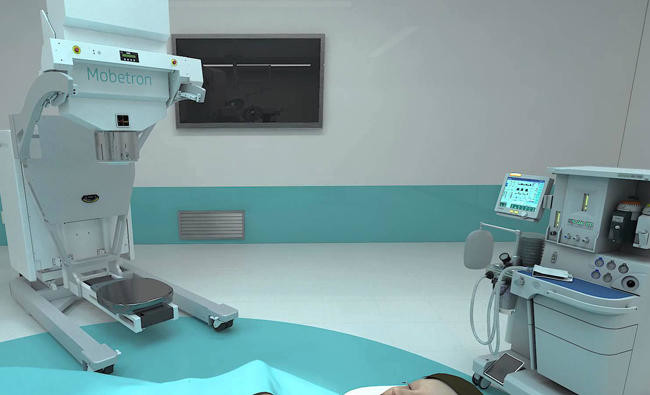

Saudi university team treats breast cancer patient with intraoperative electron radiation therapy for first time in Arab world
Saudi university team treats breast cancer patient with intraoperative electron radiation therapy for first time in Arab world

Jeddah governor attends ceremony marking Kuwait National Day
- Fareed bin Saad Al-Shehri, director-general of the Ministry of Foreign Affairs in Makkah, and members of the diplomatic corps, were also in attendance
JEDDAH: Jeddah Gov. Prince Saud bin Abdullah bin Jalawi attended a ceremony in Jeddah on Sunday to mark Kuwait’s National Day.
Prince Saud was received by Kuwait’s Consul General Yousef Abdullah Al-Tunaib and other consulate officials, the Saudi Press Agency reported.
Fareed bin Saad Al-Shehri, director-general of the Ministry of Foreign Affairs in Makkah, and members of the diplomatic corps, were also in attendance.


Latest updates


Recommended



© 2026 SAUDI RESEARCH & PUBLISHING COMPANY, All Rights Reserved And subject to Terms of Use Agreement.