CAIRO: Seven years after the Egyptian uprising, young people say they feel marginalized and apathetic about next week’s presidential elections.
They say their demands for “bread, freedom and social justice” went unfulfilled so they are uninterested in either of the two candidates — Abdel Fattah El-Sisi, the current president, and Musa Mustafa Musa, who leads a party that had initially backed El-Sisi’s re-election bid.
El-Sisi said in an interview broadcast on Tuesday he had wanted more contenders but the country was “not ready.” Several prospective election candidates, including a former chief of staff, Sami Anan, have been arrested. El-Sisi is practically guaranteed a second term.
“In 2012, we had 14 candidates to choose from. Today, we have only two choices and one of them is actually supporting El-Sisi,” said Mohamed Amir, 23, who now works as a driver after graduating in agriculture. “I don’t see anyone on the political scene better than El-Sisi. So in simple words: Let it flow.”
The presidential elections are the third since the 2011 Arab Spring when youth anger was sparked by what they called police brutality under Hosni Mubarak, the former president who was ousted.
El-Sisi won nearly 97 percent of the vote in 2014, a year after toppling Mohammed Mursi of the Muslim Brotherhood, Egypt’s first competitively elected leader, after mass protests against his rule.
“I will not participate. There is no room for political activities nor any other views in the country,” said one youth in Cairo who spoke on condition of anonymity. “All real political parties have vanished. This election is just similar to the previous one, just a constitutional step. We are back to the old days again.”
He added: “I believe the country’s and people’s hopes for real democracy have been crushed.”
But there are some young people who do support El-Sisi, a former army chief, and even favor military command. “We support El-Sisi for another term to evade terrorism,” said Mina Fahim, who has a printing company.
Younger people had been excited by Khaled Ali, a 45-year-old human rights lawyer who suspended his campaign after deciding he had no chance of winning. “We knew from the beginning that the climate was not ideal,” said Hala Fouda, Ali’s campaign manager. “What we are seeing is a clear message that this is the end of all political life in Egypt now.”
El-Sisi said in Tuesday’s speech that “what happened seven or eight years ago will never be repeated,” referring to the uprising that ousted Mubarak. He also stressed the importance of youth participation in building Egypt. “What we do now is for the youth,” he said.
In 2011, Egypt witnessed high levels of political participation by young people, several opposition parties were founded, and the constitution became a popular conversational topic amid high hopes for change.
More than half of Egyptians are under 25 and their generation is growing the fastest. Egypt’s official statistics agency, CAPMAS, said last year that 23.6 percent of the country’s population — 21.7 million people out of a total of 93 million — was aged between 18 and 29.
The government, meanwhile, is dominated by political veterans: The youngest member of the Cabinet is Nabila Makram, the 49-year-old immigration minister, and the average age of ministers is 58.
Voting in the presidential elections started for overseas Egyptians on March 16 and the rest of the population will vote over three days starting next Monday.


![]()
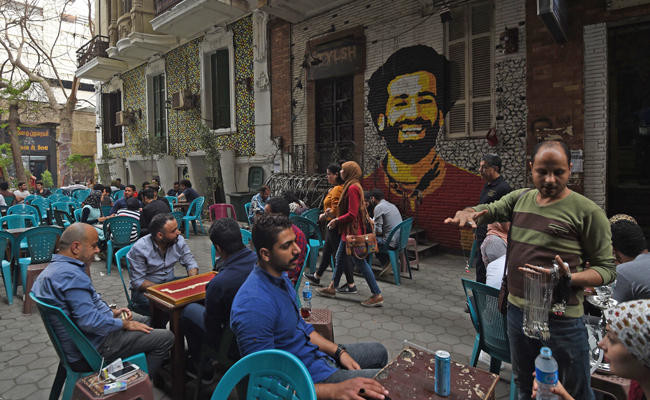
Egyptian youth feel ‘marginalized’ by elections
Egyptian youth feel ‘marginalized’ by elections
Latest updates





© 2026 SAUDI RESEARCH & PUBLISHING COMPANY, All Rights Reserved And subject to Terms of Use Agreement.