JERUSALEM: An Israeli minister has hinted that a disruption to cellphone coverage across southern Israel was caused by fighting in Egypt’s Sinai Peninsula.
Communications Minister Ayoob Kara told Army Radio on Wednesday that defense and military officials held a “very important meeting” with their counterparts “over the border” to resolve the “crisis” and that cellular reception will soon be restored after a more than weeklong disruption. Army Radio identified the foreign officials as Egyptian.
Egypt’s military did not immediately comment.
Cairo launched a major sweep of Sinai militants loyal to Daesh on Feb. 9. Israeli officials said that on Feb. 21 Egyptian forces began jamming a range of cellphone frequencies in Sinai, disrupting reception in Israel and Gaza.
“We’ve never seen anything this intensive or protracted. Even the Palestinians have been coming to us, appealing to make it stop,” one Israeli official told Reuters on condition of anonymity. Phones had been disrupted as far away as Jerusalem and northern Israel, depending on weather, the official said.
An Egyptian official who also asked not to be identified confirmed electronic warfare was being waged in the Sinai. “Obviously, we want to stop terrorists from communicating,” he told Reuters.
The official denied that Israel was the intended target of the jamming, but he said some Sinai insurgents were suspected of using smuggled Israeli SIM cards, close enough to the border to link up with Israeli cellphone reception, “which means that we may need to work against a wide range of frequencies.”
Several Palestinian residents of Gaza, the densely populated enclave on the Egyptian border, told Reuters they had been experiencing problems with phone service.
A source at one of the two Palestinian mobile phone companies said its services were disrupted for a day in the past week in southern Gaza but that the problem had been resolved.
Israeli cellphone provider Partner said several hundred of its customers had complained about reception problems, but that its 4G network was working well. Other leading Israeli providers, Cellcom and Pelephone, did not immediately respond to requests for comment.
Gadi Yarkoni, a mayor representing Israeli communities near Gaza, criticised the Communications Ministry and threatened to sue the phone companies, saying the failure to fix disruptions “shows disrespect for the residents of the Gaza periphery.”
The Multinational Force and Observers (MFO), an international body set up under the Israel-Egypt peace agreement to monitor the Sinai, declined to comment.


![]()
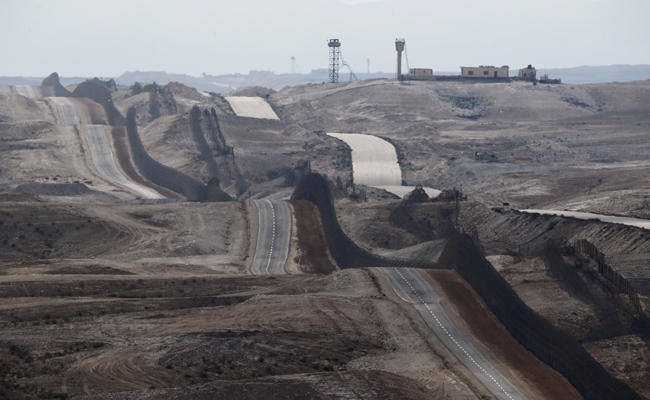
Israel’s cellphone coverage disrupted by fighting in Sinai
Israel’s cellphone coverage disrupted by fighting in Sinai
Latest updates





© 2026 SAUDI RESEARCH & PUBLISHING COMPANY, All Rights Reserved And subject to Terms of Use Agreement.