HOUSTON: Saudi Arabia will remain the “most important oil exporting country for many years to come,” but its strategy and that of the rest of the OPEC countries will have to be reconsidered in light of the revolution in the energy world as a result of the boom in US shale production.
That was the message from Fatih Birol, the executive director of the International Energy Agency (IEA) at the CERAWeek by IHS Markit meeting in Houston, Texas.
Birol, who unveiled the IEA’s global oil report at the event, said Saudi Arabia and other “established producers” had limited scope to affect global energy trends over the next five years, and would have to rethink their strategy to take account of the new energy environment.
“In the shale-revolution world, no country is an island. The established producers’ strategy in terms of cuts and limits will have to be reconsidered in light of the huge growth in shale,” he said.
Birol was asked if Saudi Arabia should try to coordinate strategy with shale producers in light of the US boom, with speculation in Houston that OPEC producers were in talks with their American rivals.
“Saudi Arabia will remain the largest and most important exporter, but is not the biggest producer, and there is an important difference. The market has its own dynamics and companies always will look to increase their financial returns. From that angle, the shale producers will continue to grow regardless of any agreement Saudi Arabia might reach with shale producers. That cannot ignore the growth coming from shale,” he said.
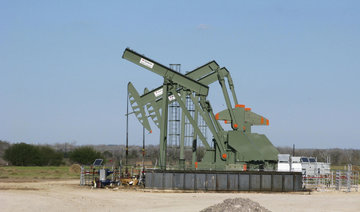
The IEA oil report forecast growing demand for crude over the next five years, but also predicted that US shale was on the brink of a “major second wave” that would see American producers supplying more than half of the increased global demand expected to come mainly from China and India. “America will put the stamp on global oil market developments over the next five years,” he said.
The IEA said that its bullish forecasts for shale output were conservative. “We will revise upward if the oil price goes much above $60,” Birol said.
However, Neil Atkinson, head of the IHS oil market team, said it was unlikely prices would head upward significantly in the near future. “It’s difficult to see how prices can move upward much, apart from geopolitical reasons,” he said.


![]()

Saudi Arabia will remain top oil exporter, but ‘cannot ignore’ shale revolution, says IEA
Saudi Arabia will remain top oil exporter, but ‘cannot ignore’ shale revolution, says IEA
Latest updates




Recommended


© 2026 SAUDI RESEARCH & PUBLISHING COMPANY, All Rights Reserved And subject to Terms of Use Agreement.