WASHINGTON: The US Treasury Department has added two individuals and seven organizations in Africa and Asia connected to Daesh to its sanctions list for global terrorism, it said on Tuesday.
The Treasury’s Office of Foreign Assets Control (OFAC) said on its website it had added Abu Musab Al-Barnawi of Nigeria and Mahad Moalim of Somalia, and seven groups from Bangladesh, Egypt, the Philippines, Somalia, Nigeria and Tunisia to its sanctions list.
The additions include Daesh-Bangladesh, Daesh-Egypt, Daesh-Philippines, Daesh-Somalia, Daesh-West Africa, Jund Al-Khilafah-Tunisia, also known as Daesh-Tunisia, and the Philippines-based Maute Group, also known as Daesh of Lanao, OFAC said. The US State Department said in a separate statement that including the latest additions, it had designated 40 Daesh leaders and operatives dating back to 2011 under an order aimed at denying them access to the US financial system.
“These designations are part of a larger comprehensive plan to defeat Daesh that, in coordination with the 75-member Global Coalition to Defeat Daesh, has made significant progress toward that goal,” the statement said.
This effort “is destroying Daesh in its safe havens, denying its ability to recruit foreign terrorist fighters, stifling its financial resources, negating the false propaganda it disseminates over the Internet and social media, and helping to stabilize liberated areas in Iraq and Syria so the displaced can return to their homes and begin to rebuild their lives,” the statement added.
Daesh fighters were driven last year from all the population centers they occupied in both Syria and Iraq, but Washington still considers them a threat, capable of carrying out an insurgency and plotting attacks elsewhere.


![]()
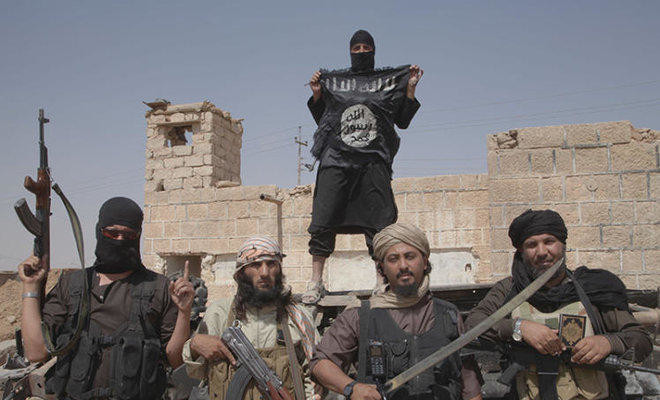
US Treasury slaps sanctions on more Daesh targets
US Treasury slaps sanctions on more Daesh targets
Latest updates


Recommended


© 2026 SAUDI RESEARCH & PUBLISHING COMPANY, All Rights Reserved And subject to Terms of Use Agreement.