BERLIN: A movie at the Berlin film festival that looks at how Daesh fighters recruit young European women online highlights the dangers of using the Internet, the actress in the starring role told Reuters.
In the film “Profile,” British journalist Amy Whittaker goes undercover to investigate the workings of the militant group by creating a fake Facebook profile and pretending to be a Muslim convert called Melody Nelson.
She comes up with a cover story, disguises her tattoo, learns a bit of Arabic and dons a hijab. Over the coming days she spends hours chatting online to an Daesh fighter called Bilel, with whom she makes curry via video link in one scene, and gradually finds herself being attracted to him.
“It’s dangerous for us all to be online because there’s so much access to everything,” said Valene Kane, who plays Amy. “You can basically do anything online and I suppose that’s what the film shines a light on, this new world that we live in.”
“It’s not just Syria — it’s all over. People are being manipulated into different situations with the anonymity of being online and having an avatar or whatever it is that they use to represent themselves,” Kane said.
Bilel, who in the film is originally from London and describes his job in Syria as “killing people,” promises the woman he knows as Melody he will treat her like a queen and get her a cat.
The character, played by Shazad Latif, shows Melody a luxury home where she would live and makes a video call to her while he is having fun playing football with international recruits.
Kane said women often had a fantasy about what romance should be like and Bilel played that role perfectly for her character.
“This man comes on her screen and says everything that she thought as a little girl that she wanted — I’m going to get you a palace, I’m going to give you as many children as you want, you’ll never have to work again,” she said.
The camera shows Whittaker’s screen for the duration of the film, with viewers voyeuristically watching as she chats to Bilel and her friends and carries out Internet searches on everything from Daesh to how to freeze her eggs.
“It’s about loneliness, about who we are today, how much of our life is happening on screen and how vulnerable we are when we are attached to the Internet and how scary it is,” Russian-Kazakh director Timur Bekmambetov told Reuters.
“It’s a reality — it’s how we live today,” he said. “If I’m awake for 15 hours, half of this time I’m in front of a screen — my iPhone screen or my desktop or laptop and most important events today in my life are happening on screen.”
The film is based on the true story of French journalist Anna Erelle’s undercover work, which was published in December 2014 and resulted in six people being arrested for involvement in recruitment networks.
Germany’s domestic intelligence chief said last month that Daesh continued to target vulnerable youths in Germany through the Internet and social media.
“Profile” is one of around 400 films being screened at this year’s Berlinale, which runs until Feb. 25.


![]()
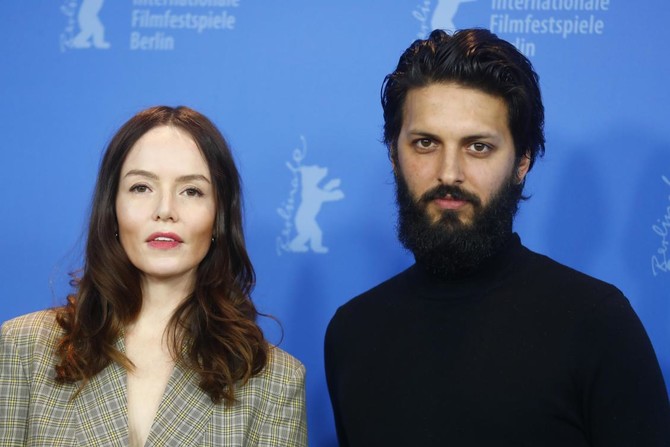
Film at Berlin fest examines how Daesh militants recruit European brides
Film at Berlin fest examines how Daesh militants recruit European brides


Latest updates


© 2026 SAUDI RESEARCH & PUBLISHING COMPANY, All Rights Reserved And subject to Terms of Use Agreement.