NEW YORK: An Oregon woman who had worms coming out of her eye is being called the first known human case of a parasitic infection spread by flies.
Fourteen tiny worms were removed from the left eye of the 26-year-old woman in August 2016. Scientists reported the case Monday.
The woman, Abby Beckley, was diagnosed in August 2016 with Thelazia gulosa. That’s a type of eye worm seen in cattle in the northern United States and southern Canada, but never before in humans.
They are spread by a type of fly known as “face flies.” The flies feed on the tears that lubricate the eyeball, scientists said.
She had been horseback riding and fishing in Gold Beach, Oregon, a coastal, cattle-farming area.
After a week of eye irritation, Beckley pulled a worm from her eye. She visited doctors, but removed most of the additional worms herself during the following few weeks.
The worms were translucent and each less than half an inch long.
After they were removed, no more worms were found and she had no additional symptoms.
Eye worms are seen in several kinds of animals, including cats and dogs. They can be spread by different kinds of flies.
Two other types of Thelazia eye worm infections had been seen in people before, but never this kind, according to Richard Bradbury of the Centers for Disease Control and Prevention. He was the study’s lead author.
The report was published in the American Journal of Tropical Medicine and Hygiene.


14 worms pulled from woman’s eye after rare infection
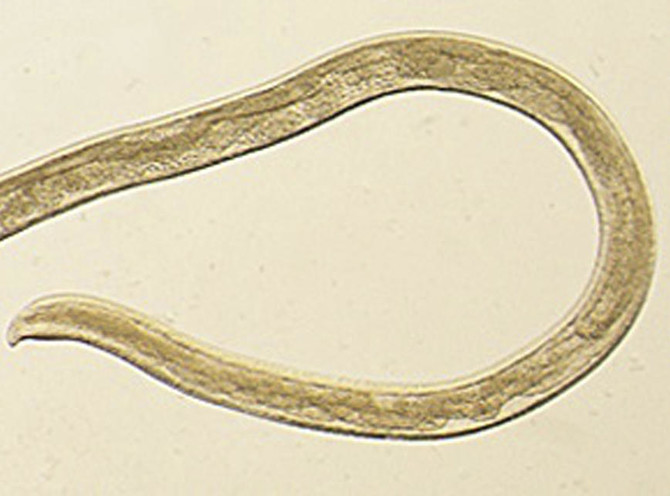
14 worms pulled from woman’s eye after rare infection

Makkah museum displays world’s largest Qur’an
MAKKAH: The Holy Qur’an Museum at the Hira Cultural District in Makkah is showcasing a monumental handwritten copy of the Holy Qur’an, recognized as the largest Qur’an of its kind in the world.
The manuscript measures 312 cm by 220 cm and comprises 700 pages, earning the museum recognition from Guinness World Records for displaying the world’s largest Qur’an, the Saudi Press Agency reported.
The manuscript is a magnified reproduction of a historic Qur’an dating back to the 16th century, the SPA stated.
The original copy measures 45 cm by 30 cm, with the chapters written primarily in Thuluth script, while Surah Al-Fatiha was penned in Naskh, reflecting the refined artistic choices and calligraphic diversity of the era.
The Qur’an is a unique example of Arabic calligraphy, gilding and bookbinding, showcasing Islamic art through intricate decorations, sun-shaped motifs on the opening folio, and elaborately designed frontispiece and title pages that reflect a high level of artistic mastery.
The manuscript was endowed as a waqf in 1883. Its original version is currently preserved at the King Abdulaziz Complex for Endowment Libraries, serving as a lasting testament to Muslims’ enduring reverence for the Qur’an and the richness of Islamic arts across the centuries.


