WASHINGTON: An Iranian-Canadian dual citizen and environmental activist imprisoned by Iranian authorities last month has died in prison, his son wrote on Twitter on Saturday.
Kavous Seyed-Emami was managing director of the Persian Wildlife Heritage Foundation, which seeks to protect Iran’s rare animals, and a US-trained scholar in sociology.
Seyed-Emami’s son, the Iranian musician Raam Emami, wrote on Twitter that his father was arrested on Jan. 24, and that his mother had been informed of Emami’s death on Feb. 9. It was not immediately clear where he was tweeting from.
“The news of my father’s passing is impossible to fathom,” Raam Emami wrote. “I still can’t believe this.”
On his Instagram account, Raam Emami wrote that authorities said his father had committed suicide. He did not respond to requests for further comment.
Tehran’s prosecutor Abbas Jafari-Dolatabadi said on Saturday that Iran’s security forces had arrested several people on espionage charges, the judiciary’s Mizan news agency reported.
“They were gathering classified information in strategic areas ... under the coverage of scientific and environmental projects,” he said, without giving further information.
The Iranian judiciary could not immediately be reached for comment on Saturday evening. Iranian authorities had not announced an arrest of Seyed-Emami, and his death was not confirmed by official sources.
The Center for Human Rights in Iran (CHRI), a non-profit group based in New York, said at least nine other staff members and executives of the Persian Wildlife Heritage Foundation were arrested the same day as Seyed-Emami, citing information from a relative of one of those arrested.
Those arrested included an Iranian-American dual national, Morad Tahbaz, CHRI said. A US State Department spokeswoman said the United States is “aware of reports that a US citizen has been detained in Iran.”
Several Iranian-American dual nationals are in jail in Iran. Reuters reported last year that Iran’s Islamic Revolutionary Guard Corps has arrested at least 30 dual nationals over the past two years, mostly on spying charges.
Seyed-Emami received his doctorate in sociology from the University of Oregon in 1991, according to an online alumni listing maintained by the university.
A spokeswoman for Global Affairs Canada, which manages Canadian foreign and trade relations, said the government is aware of the reports of Seyed-Emami’s death.
“Canadian consular officials in Ankara are working to gather additional information and are providing assistance to the family of the Canadian citizen,” said the spokeswoman, Natasha Nystrom.
Canada does not have diplomatic presence in Iran, and its embassy in Ankara has consular responsibility for Iran.
“He was a very knowledgeable man and a very kind and generous man,” said Nahid Siamdoust, a scholar at Yale University who knew him. “He lived a simple life that was connected to nature and that’s why he was an inspiring man. People could see this was what he believed and he lived that way too.”
Iran faces a number of serious environmental crises, including water scarcity, air pollution and wildlife poaching. Human rights groups say activists in Iran face the risk of arbitrary arrest and harassment by authorities.


![]()
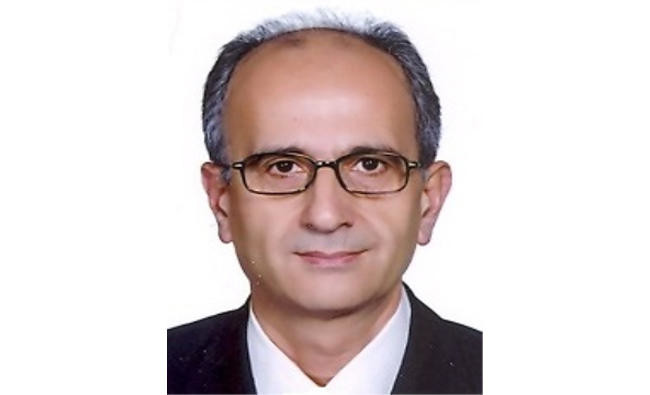
Iranian-Canadian environmental activist dies in prison, his son says
Iranian-Canadian environmental activist dies in prison, his son says

Latest updates


© 2026 SAUDI RESEARCH & PUBLISHING COMPANY, All Rights Reserved And subject to Terms of Use Agreement.