KUWAIT CITY: Kuwait on Monday approved its budget for the 2018-2019 fiscal year, projecting a huge deficit for the fourth year in a row because of low oil prices.
Next year’s deficit is estimated at $16.7 billion, or 13.5 percent of the OPEC member’s gross domestic product.
Finance Minister Nayef Al-Hajjraf told a press conference the government will withdraw from the state reserve fund and borrow on the domestic and international debt markets to finance the shortfall.
After posting healthy surpluses for 16 successive years, Kuwait has posted a budget deficit in each of the past three years after oil prices began to slide in mid-2014.
Hajjraf said the new budget projects revenues at $50 billion, up 12 percent on last year’s estimates after the oil price rose from $45 to $50 a barrel.
Oil income is estimated at $44.3 billion on a daily production of 2.8 million barrels.
Spending is projected at $66.7 billion, marginally higher than last year, the minister said.
He said government wages and subsidies account for 73 percent of the budget which takes effect on April 1.
It still has to be passed by parliament.
Just 18 percent of spending will go on development projects, Hajjraf said.
He said Kuwait will not impose value-added tax or other taxation without parliamentary approval.


![]()
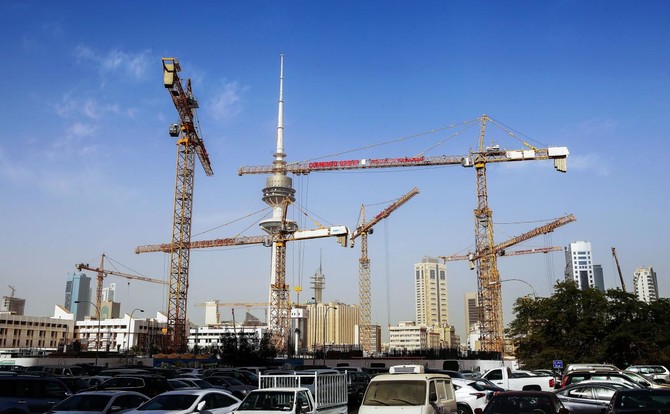
Kuwait cabinet approves budget with huge shortfall
Kuwait cabinet approves budget with huge shortfall
Latest updates


© 2026 SAUDI RESEARCH & PUBLISHING COMPANY, All Rights Reserved And subject to Terms of Use Agreement.