Former Iraqi dictator Saddam Hussein wrote a love story that’s available on Amazon

Ousted Iraqi President Saddam Hussein scratches his beard as he listens to the prosecution during the 'Anfal' genocide trial in Baghdad, 20 December 2006. The prosecution presented today new documents as evidence that chemical weapons have been used against civilian Kurds during the 1980's. AFP PHOTO/POOL/NIKOLA SOLIC
Updated 29 January 2018
Follow

Former Iraqi dictator Saddam Hussein wrote a love story that’s available on Amazon

DUBAI: Iraqi dictator Saddam Hussein wrote and published a romantic novel in 2000, and its available on Amazon.
The novel, entitled “Zabiba and the King,” is a love story based on a king and a simple, yet beautiful, commoner named Zabiba, who is married to a cruel and unloving husband who forces himself upon her against her will, according to the book’s selling page on Amazon.
But according to the description, the story is a metaphor for the American-led invasion on Iraq, the king being Saddam, Zabiba represents the Iraqi people and the cruel husband – the US.
The book was apparently translated into English by an American businessman who wanted to “satisfy his own curiosity,” the website description adds.
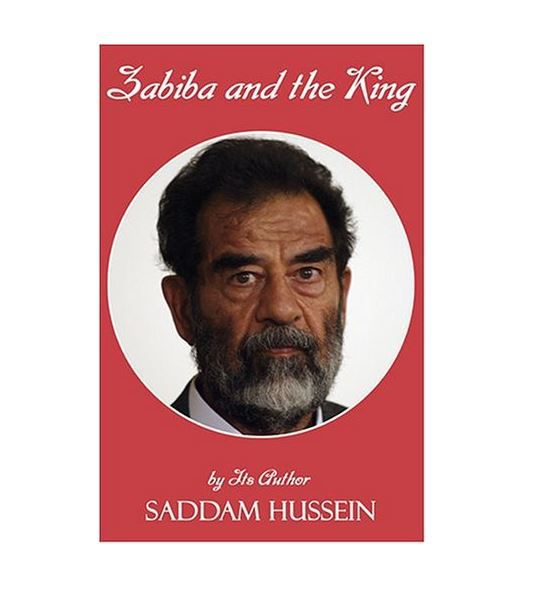


The book, priced at $13.41, has received a 2.6 score out of a possible five star rating on Amazon, with reviewers calling it “Saddam’s inner world” and claiming its a “butchered” version of American novelist Margaret Landon’s 1944 book “Anna and the King of Siam.”
And another critiqued the book describing it as typical of a first novel.


Trunk snapped off famed Bernini statue in Rome square

Updated 18 February 2026
Follow

Trunk snapped off famed Bernini statue in Rome square

ROME, Feb 18 (Reuters) - A ‌marble elephant designed by Baroque master Gian Lorenzo Bernini has been damaged, with ​its left tusk found snapped off and lying at the base of the monument in the heart of Rome, authorities said.
The damage was uncovered on Monday night and police said they ‌would review ‌video footage from ​Piazza ‌della ⁠Minerva ​to determine whether ⁠the tusk was vandalised or simply fell off following weeks of unusually heavy rains.
Italy's Culture Minister Alessandro Giuli made clear he thought it was deliberate, saying the ⁠17th statue, which supports an ‌ancient Egyptian ‌obelisk, was victim of ​an "absurd act of ‌barbarity".
"It is unacceptable that once ‌again the nation's artistic and cultural heritage must suffer such serious damage," he said in a statement.
It is not ‌the first time the sculpture, popularly known as the Elefantino (little ⁠elephant), ⁠has been damaged.
In November 2016, the tip of the same tusk was similarly found broken off. The piece was reattached during restoration work.
The sculpture, created in 1667 by Ercole Ferrata based on a design by Bernini, stands a short distance from the ​Pantheon, one of ​most visited tourist sites in Rome. (Reporting by Francesca Piscioneri, editing by ​Crispian Balmer)