DUBAI/LONDON: A boycott of Qatar by its neighbors has prompted HSBC to turn down a leading role on Doha’s new dollar bond as the bank treads a political tightrope in the Gulf, four banking sources familiar with the decision told Reuters.
Saudi Arabia, the United Arab Emirates, Bahrain and Egypt in June cut diplomatic and transport ties with Qatar, which they accuse of backing terrorism. The move initially hit Qatar’s growth but by the end of 2017 its economy had largely recovered.
The Qatari government, which denies the allegations, is now planning its first international bond since the crisis began and has approached banks in recent weeks to arrange the deal.
But HSBC, which has led almost every sovereign bond issue in the Gulf over the past two years, will not do so this time, reflecting a more cautious approach by banks in the region.
“This is not a problem of HSBC only, it’s a problem of all international banks with a strong presence in the region. Each bank solves it in its own way,” one of the sources said.
An HSBC spokesman said: “We never comment on market rumor and speculation,” while a spokesman for the government of Qatar did not respond to a request for comment.
When Riyadh launched its boycott, it said it would seek understandings with international firms to cut ties with Doha. Banks from the four Arab countries have pulled deposits from Qatar and reduced, though not ended, other business with it.
While the Gulf allies have not publicly warned banks to avoid business in Qatar, bankers have told Reuters that it is clear close ties with Doha could hurt business relations.
The UAE central bank has blacklisted some Qatari individuals and organizations and told its own banks to apply enhanced due diligence in their dealings with six Qatari banks.
This has made many foreign banks more cautious and in some cases prompted them to handle Qatari business from Europe or the United States, rather than regional headquarters in Dubai.
When Qatar sold its last international bond in 2016, raising $9 billion, HSBC took a leading role alongside JP Morgan, Bank of Tokyo-Mitsubishi and Qatar National Bank.
Qatar is now close to choosing which banks will run its latest bond issue, which could be for around $9 billion, and has provisionally chosen some of them, bankers familiar with the process told Reuters.
Although HSBC decided not to undertake high-profile roles in major Qatari debt transactions after it was approached for the dollar bond in November, it is unclear whether the bank could still play a smaller part. Bankers said the move did not mean any disengagement from the country, where HSBC retains a branch.
However, in another indication of its new approach, HSBC has not pitched for a “bookrunner” role on a separate $3 billion loan refinancing by Qatar National Bank, the first such deal by a Qatari government-owned firm since the crisis began.
HSBC was one of the top banks in QNB’s original loan and a banker close to the matter said the decision not to take a top role in the refinancing was a result of the political situation and a “repositioning” of its Qatar business.
Competing demands
The Gulf’s diplomatic rift is forcing banks to tread cautiously in order to maintain relations on both sides. Saudi Arabia is opening up to foreign investors as part of economic reforms pushed forward by its new crown prince, Mohammed bin Salman, including the sale of a stake in oil giant Aramco.
Banks compete to obtain top roles in public bonds not so much for the fees they yield, but rather to establish or strengthen relationships with the borrowers in order to obtain more profitable mandates on future transactions.
Earlier this week Saudi Arabia said it had requested offers from banks to organize a range of its own international debt deals, including a bond and refinancing a $10 billion loan.
These plans have complicated matters for banks in the region as, depending on the timing, Saudi Arabia and Qatar could end up in direct competition for funds from international investors.
For HSBC, which was bookrunner last year on 42 bond deals in the Gulf Cooperation Council, which comprises Saudi Arabia, the UAE, Qatar, Bahrain, Oman and Kuwait, this could present a particularly tricky juggling act.
HSBC arranged $14.8 billion of bond issuance out of a total of $90.4 billion, the largest share of bond bookrunning for the GCC region in 2017, Thomson Reuters data shows.


![]()
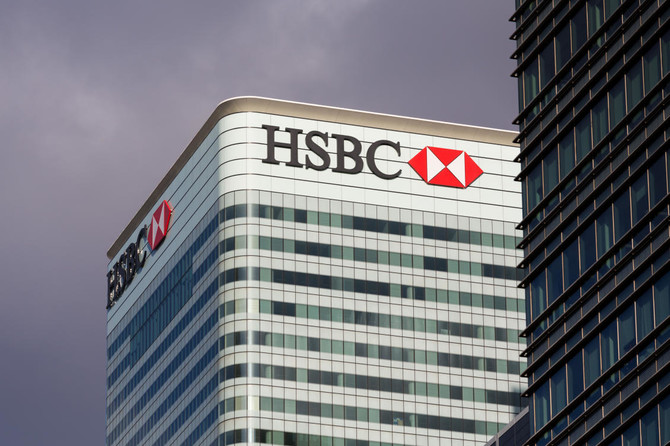
HSBC sidesteps high-profile Qatar deals in Gulf gauntlet
HSBC sidesteps high-profile Qatar deals in Gulf gauntlet


Latest updates




Recommended


© 2026 SAUDI RESEARCH & PUBLISHING COMPANY, All Rights Reserved And subject to Terms of Use Agreement.