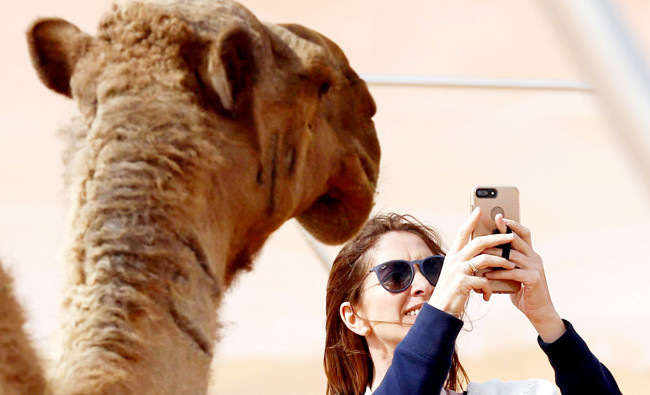
RAMAH: With vast sums at stake, up to 30,000 prize beasts in attendance and breeder reputations on the line, Saudi Arabia’s camel beauty contest is, regardless of recent headlines, very much a serious matter.
Always a high-profile event in the Kingdom, the King Abdul Aziz Camel Festival aroused international curiosity, and some amusement, this year after global media outlets picked up on the disqualification of 12 camel contestants found to have been injected with botox.
But while some global media outlets may have been surprised that there was a camel festival at all, residents of the Gulf know just how deeply rooted the event is in Saudi culture.
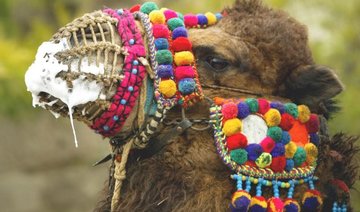
Make-up may be par for course in preparation pens, where handlers fluff tails, oil coats and gloss lashes before parading their camels in front of the judges — but cosmetic surgery is strictly prohibited.
That didn’t stop some breeders from risking disqualification in a bid to secure the $3.7 million awarded to the winner of each category, with a combined $57 million in prize money. Some took ever more extreme measures to increase their chances in the judging arena, where everything comes under scrutiny, from age, height and color, to the positioning of the hump and the shape of the nose.
Competitive camel breeders have always found ways to enhance the natural attractions of their sleekest specimens, but beauty tactics in recent years have crossed into artificial territory, with reports of growth hormones used to increase muscle mass, botox to enhance head size and fillers to flesh out the desired dimensions.
A vet allegedly caught performing botox on camels ahead of the contest this year has thrust these shadier practices into the spotlight and fueled calls for new fines to be imposed on cheats.
Heavy fines are already levied against drug use in camel racing and some say the same standards should be applied to the beauty pageants, which have grown increasingly popular in Saudi Arabia during recent years.
More than 300,000 people have attended this year's King Abdul Aziz Camel Festival since it started on Jan. 1, a significant increase on last year and proof that Saudis are determined to keep their heritage alive as the Kingdom raps out reforms at an unprecedented pace.
Founded in 1999 by a group of Bedouins, the festival has grown to become a major annual event, supported by the Saudi royal family.
Here, among the award-winning dromedaries and Majahim camels worth millions of dollars, is where many Saudis touch base with their Bedouin roots.
This year, the organizers moved the festival from its desert location to a site closer to the capital and expanded the program, which alongside the various beauty contests, includes races and an auction where prize camels can command millions of Saudi riyals.
The event also includes a heritage village featuring a petting zoo, museum, souvenir stalls, food stands and a planetarium, which chronicles the journey of camel caravans across the desert guided by stars in the night skies.
In future years, more attractions will be added to cater to growing demand as the younger generation of Saudis embrace the old with the new and keep cultural traditions alive in the modernizing Kingdom.


![]()
![]()
Of Botox and camel beauty contests: How a Saudi cultural festival generated global headlines

Of Botox and camel beauty contests: How a Saudi cultural festival generated global headlines


Latest updates


© 2026 SAUDI RESEARCH & PUBLISHING COMPANY, All Rights Reserved And subject to Terms of Use Agreement.