DAVOS: Saad Hariri, the prime minister of Lebanon, went on a charm offensive at the annual meeting of the World Economic Forum (WEF) in Davos, with a series of high-level meetings with world leaders and the declaration: “My relationship with Saudi Arabia is at its best.”
Hariri, who resigned his position in Riyadh in November, but reversed that decision back in Lebanon, told a session at the meeting: “What has happened in the past is in the past. We now have to look to the future.”
He said that Lebanon’s economic and fiscal challenges were pressing, and pinned his faith on an investor conference due to take place in Paris, and on his country’s relationship with its Gulf neighbors — singling out Saudi Arabia and the UAE.
“The relationship with the Gulf countries has brought many benefits and helped Lebanon on many occasions. In 2006, when there was a war in my country, who came to help us? The Gulf states,” he said.
Hariri said that he was seeing lots of things in Saudi Arabia “that I never thought I’d see. Crown Prince Mohammed bin Salman is doing it with a lot of openness. I think what is happening in Saudi Arabia is good and the youth, in particular, agree with it.”
It is understood that the Lebanese prime minister also met with Saudi Foreign Minister Adel Al-Jubeir who addressed the gathering earlier in the day.
After meeting with King Abdullah II of Jordan and his wife, Queen Rania, Hariri stressed that “Lebanon is keen on ensuring excellent relations with all Arab countries,” according to an official Lebanese government statement.
He said: “We have confirmed that all political components are committed to Lebanon’s self-distancing policy, and the king of Jordan has shown great support for Lebanon. Soon, there will be official visits to Jordan for discussing the issue of displaced people.”
Hariri’s activities on the sidelines of the forum started by meeting with Italian Prime Minister Paolo Gentiloni.
He also warned that Iran was “a country that has to be dealt with — and each country must find its own way of doing this.”
Speaking about US President Donald Trump’s policy toward Iran over the nuclear issue, he said: “I don’t know where the Trump policy is going, but there are issues that have to be resolved. Iran cannot meddle in other countries’ affairs, like Yemen.”


![]()
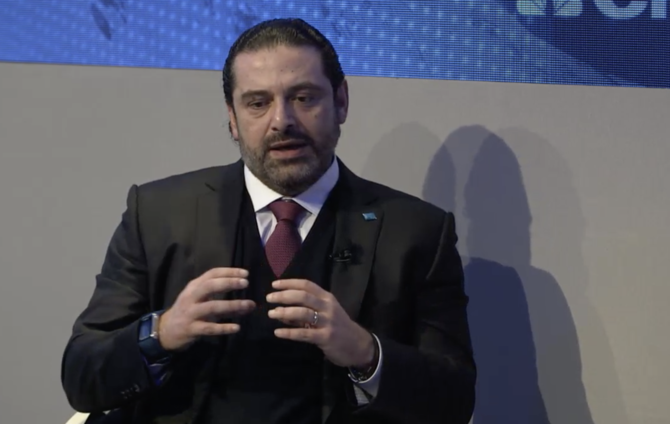
Hariri goes on charm offensive in Davos
Hariri goes on charm offensive in Davos
Latest updates


© 2026 SAUDI RESEARCH & PUBLISHING COMPANY, All Rights Reserved And subject to Terms of Use Agreement.