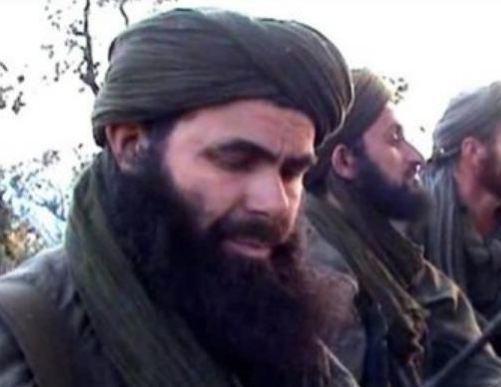
TUNIS: Tunisian security forces have killed two Islamic militants in a remote western area of the country, near the border with Algeria — including a top aide of Abu Musab Abdul Wadud, the leader of Al-Qaeda in the Islamic Maghreb (AQIM), an official source told Reuters.
Tunisia has been on high alert since 2015, when Daesh gunmen killed dozens of foreign tourists in a museum in Tunis and on a beach in the resort city of Sousse.
Algerian Bilel Kobi was “the right arm of Abou Wadoud” and was killed in an ambush near the Algerian border when on a mission to reorganize AQIM’s Tunisian branch following strikes by Tunisian forces against it, the source told Reuters.
Separately, reports say Tunisians are still taking to streets since they ousted their longtime ruler in the first of the Arab Spring uprisings.
Why, after so long, has the country been unable to tackle its problems?
Unemployment, corruption and austerity measures in the 2018 budget have fueled widespread protests as the North African country marked the anniversary of the 2011 revolt that toppled longtime dictator Zine El-Abidine Ben Ali.
While Tunisia has been praised as a model of democratic transition, post-revolution governments have struggled to improve living standards and tackle pervasive graft.
“Work, bread and national dignity” — that was the slogan that rallied Tunisian protesters in 2011.
But a growth rate that reached a moderate two percent in 2017 following years of stagnation, has barely dented the unemployment figures, which remain stubbornly above 15 percent — rising to 30 percent among young graduates.
Political economist Med Dhia Hammami said investments since the revolution have been channelled to projects that yield profits rather than offer mass employment.
“Most direct foreign investments in Tunisia are in the extractive sector — gas or oil — which doesn’t create jobs,” he said.
“There is a focus on services, including tourism, which create very precarious and seasonal jobs, to the detriment of agriculture, for example.”
If things continue as they are, he added, “we will find ourselves, like under Ben Ali, with growth at five percent and unemployment at 15-18 percent.”
Adding to the pain of joblessness, prices grew by six percent in 2017 as the dinar slid against the dollar and new taxes kicked in.
Many analysts expect further inflation this year.


![]()
Tunisian forces kill top aide of Al-Qaeda leader in Maghreb
Tunisian forces kill top aide of Al-Qaeda leader in Maghreb

Latest updates


© 2026 SAUDI RESEARCH & PUBLISHING COMPANY, All Rights Reserved And subject to Terms of Use Agreement.