BAGHDAD: Iraqi Prime Minister Haider Abadi met Prime Minister of the Kurdistan Regional Government of Iraqi Kurdistan Nechirvan Barzani on Saturday to discuss the easing of economic sanctions imposed on the region by Baghdad.
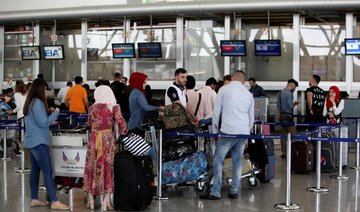
It was the first meeting between Abadi and Barzani since the crisis erupted following Kurdistan’s controversial independence referendum in late September. Baghdad responded by imposing a series of punitive measures including banning international flights to and from the region and closing border crossings to Turkey and Iran.
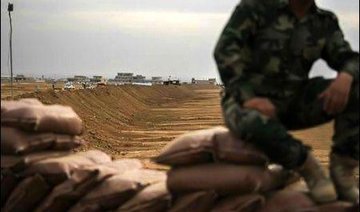
At the same time, Iraqi security forces launched a major military campaign to regain control of Kirkuk Governorate from the Peshmerga militia and drive the Kurdish forces back.
Kurdish officials are desperate to have the sanctions lifted in the face of public unrest over the ongoing financial crisis in Kurdistan. For the past two years, the regional government has been unable to regularly pay its employees’ salaries because of alleged corruption of a number of authority figures.
Federal officials familiar with the talks on Saturday have revealed Baghdad’s conditions for the easing of sanctions on Kurdistan.
They include recognizing the full sovereignty of the central government over the entire country, including Kurdistan; accepting and enabling federal control inside Kurdistan, particularly of its airports and border crossings; completing all necessary measures for the return of federal authorities and armed forces to the region; ceding full and exclusive control of international borders to Baghdad; committing to the regional borders agreed in the 2003 constitution; handing over the oil extracted from regional oil fields to federal authorities; exclusively exporting oil through the State Organization for Marketing of Oil (SOMO); paying in full the salaries of government employees in the region; and submitting the financial accounts of all regional officials to the Office of Financial Supervision in Baghdad.
Baghdad last month announced the formation of joint committees to discuss how best to set up federal authority over Kurdistan, which has enjoyed almost complete autonomy since 2003.
Government spokesman Sa’ad Al-Hadaithi told Arab News, “Saturday’s meeting was positive, and a significant step toward solving the problems with the region and breaking the boycott between Baghdad and Kurdistan.”
“It will, for sure, build momentum for the committees now working to solve those problems.”


![]()

Kurdistan, Iraq PMs discuss easing of sanctions
Kurdistan, Iraq PMs discuss easing of sanctions

Latest updates


© 2026 SAUDI RESEARCH & PUBLISHING COMPANY, All Rights Reserved And subject to Terms of Use Agreement.