TABUK: The Ministry of Interior said in a statement issued today that Khalid bin Ali bin Farraj Al-Omrani, Saudi National, was executed in Tabuk Region today for smuggling prohibited amphetamine pills.
In a separate statement, the Interior Ministry said that Khaled Abdullah Mohammed Al-Zoubi, a Syrian National, was also executed in the Eastern Region today for smuggling a quantity of banned amphetamine pills.
The Ministry said that the Court convicted the traffickers; Appeal and Supreme Courts endorsed the sentences, and a royal order was issued to execute the sentences.
The Ministry of Interior affirms that the Government of King Salman is keen on combating narcotics due to their great harm to individuals and the society, warning anyone who tries to commit such actions would be punished according to Sharia.
The ministry said the Kingdom’s security authorities are capable of deterring the continued attempts to target the citizens with narcotic substances.
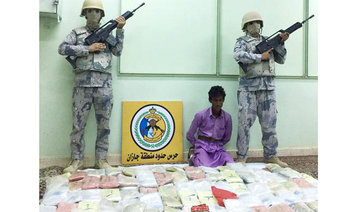
As part of the combating initiative, Saudi border guards have foiled several attempt to smuggle hundreds of kilograms of narcotic substances and arrested dozens of smugglers in Tabuk, Jazan, Najran and Asir regions in recent months.
Spokesman Col. Saher bin Mohammed Al-Harbi said the border guards will remain a strong, vigilant, steadfast barrier to all those trying to harm the homeland, attack its citizens and smuggle drugs.
Tabuk region is located along the north-west coast of the country, facing Egypt across the Red Sea, while the Eastern Province is the largest and third most populous Saudi province, bordering Iraq, Kuwait, Oman, Qatar and the UAE.


![]()

Two narcotic smugglers executed in Saudi Arabia
Two narcotic smugglers executed in Saudi Arabia



Latest updates


© 2026 SAUDI RESEARCH & PUBLISHING COMPANY, All Rights Reserved And subject to Terms of Use Agreement.