JEDDAH: Saudi Border Guards in Jazan foiled an attempt to smuggle a large quantity of drugs after they spotted a Yemeni trying to infiltrate the Saudi-Yemeni border.
Spokesman Col. Saher bin Mohammed Al-Harbi, said that the defendant is a Yemeni national. “The suspect was arrested in possession of 7.316 kilograms of hashish and 39,010 amphetamine tablets. The seizures and the defendant were referred to the appropriate authorities to complete the necessary procedures,” he said.
Al-Harbi reiterated that Border Guards are highly qualified to counter all cross-border smuggling attempts in all their ways and means. “They are working with determination to protect the country’s borders from all that is aimed at its security, stability and capabilities, and to protect citizens from this harmful scourge,” he said.
In another matter, the spokesman confirmed that upon instructions of Border Guards Director General Maj. Gen. Awad bin Eid Al-Balawi, a committee was formed investigate the circumstances around a recently circulated video on social media.
The video includes a complaint by a citizen that the Border Guards did not help him after his car was stuck in the sand near the sea in Jazan.
The spokesman explained that the special procedures and instructions in such cases are clear and include that “the command and control center in the region receive the information and pass the communication on to the nearest center to deal with the incident by assigning an available patrol to deal with the incident. The patrol is committed to provide assistance to persons to ensure their safety after security check of the vehicle’s status and identity of its passengers.”
The spokesman also urged beachgoers to abide by all security and safety measures and not to hesitate to request assistance in case of emergency by contacting the Border Guards’ emergency number 994. They can share their points of views, complaints and observations on the official email of the directorate at [email protected].


![]()
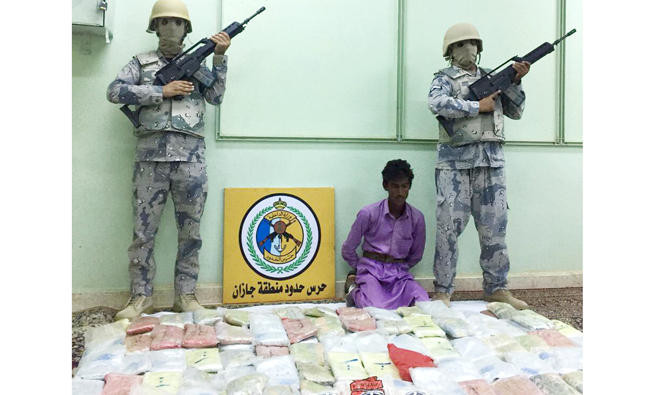
Saudi Border Guards foil attempt to smuggle hashish, amphetamines in Jazan
Saudi Border Guards foil attempt to smuggle hashish, amphetamines in Jazan
Latest updates




© 2026 SAUDI RESEARCH & PUBLISHING COMPANY, All Rights Reserved And subject to Terms of Use Agreement.